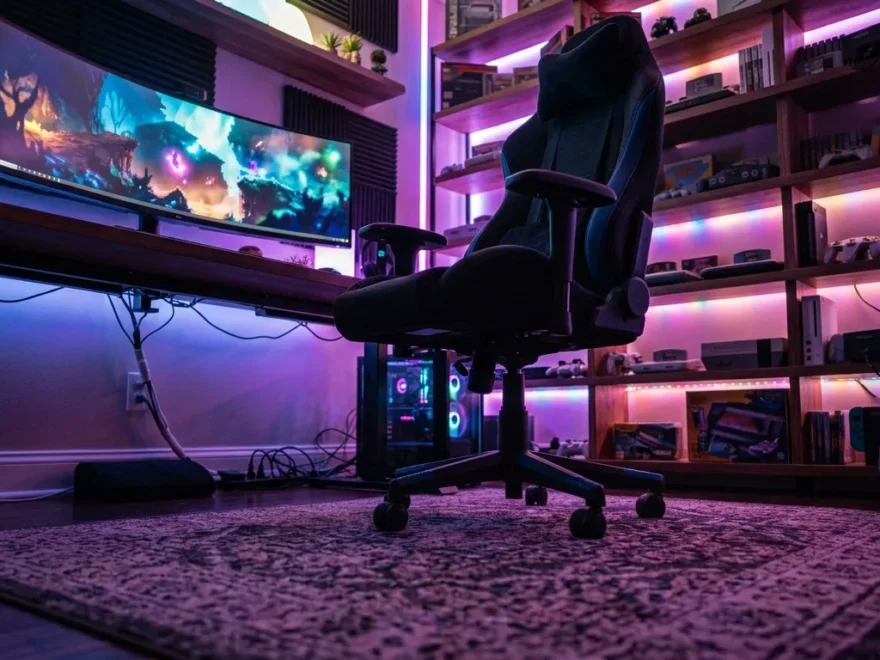
1. Neon LED Strip Lighting
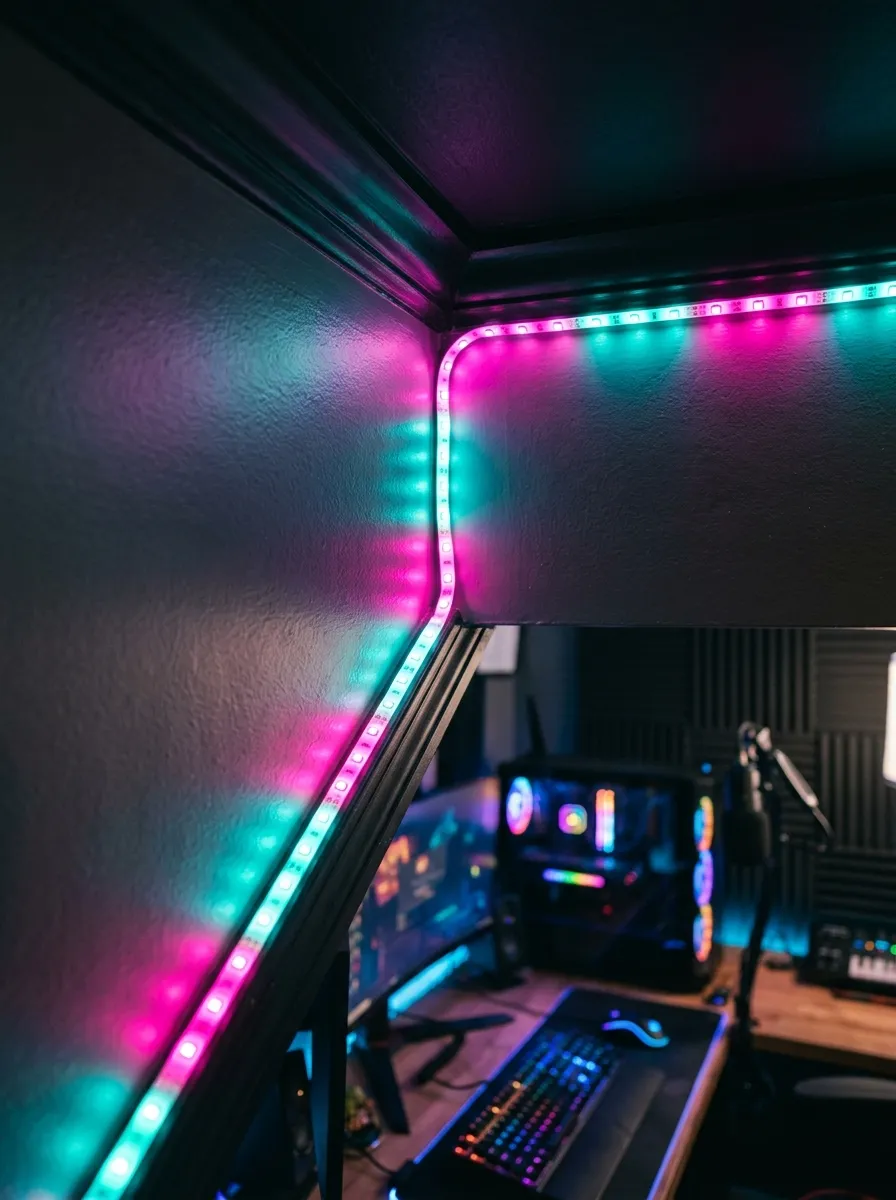
Nothing changes a room faster than lighting. LED strips are cheap, easy to install, and instantly give any space a gaming feel. Stick them along the ceiling edge, behind a TV, or under a desk. Most strips come with remote controls so you can switch colors depending on your mood. Want a chill vibe? Go soft purple. Want something loud for a tournament night? Switch to red or green. You don’t need an electrician for this. Peel, stick, plug in, done. Look for sales on basic LED kits, they often run under twenty dollars. If you want to save even more, add strips only behind the TV first, then expand later once you see how it looks. Pair the lights with a dimmer remote so you can adjust brightness for late night sessions. This one small change often becomes the first thing guests notice when they walk in. It sets the tone before they even see the games.
2. Vintage Arcade Cabinet Corner
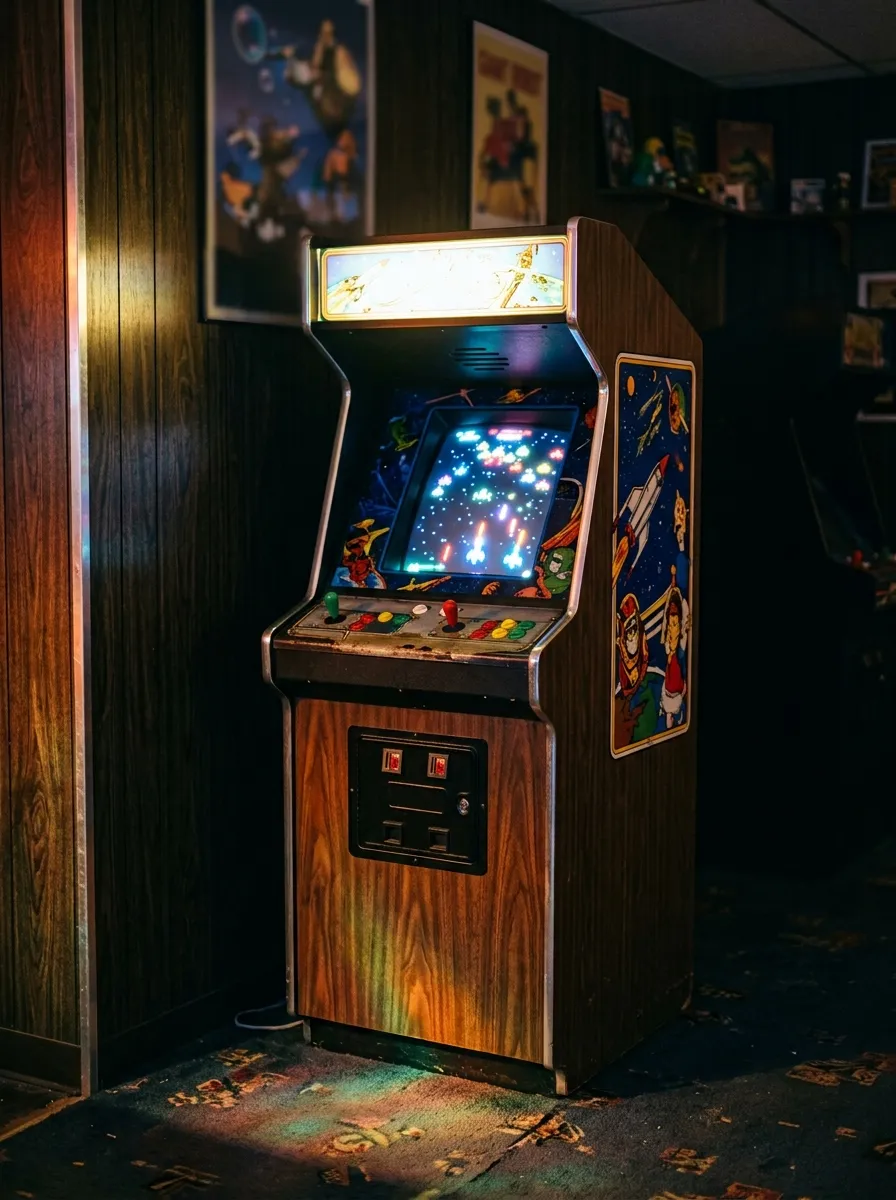
An arcade cabinet brings instant character to a game room. You don’t have to buy an original machine either. Plenty of builders sell small tabletop versions or DIY kits that fit hundreds of classic games for a fraction of the price. Thrift stores and online marketplaces sometimes list old cabinets that just need a little cleaning or a fresh coat of paint. Place it near the entrance so it becomes the first thing people see. Add a small rug underneath to anchor the space. If a full cabinet is out of budget, look into countertop arcade machines instead. They cost less and still deliver that same nostalgic feel. Even a single cabinet in the corner can make the whole room feel like a personal arcade rather than just another living space.
3. Gallery Wall of Retro Game Posters
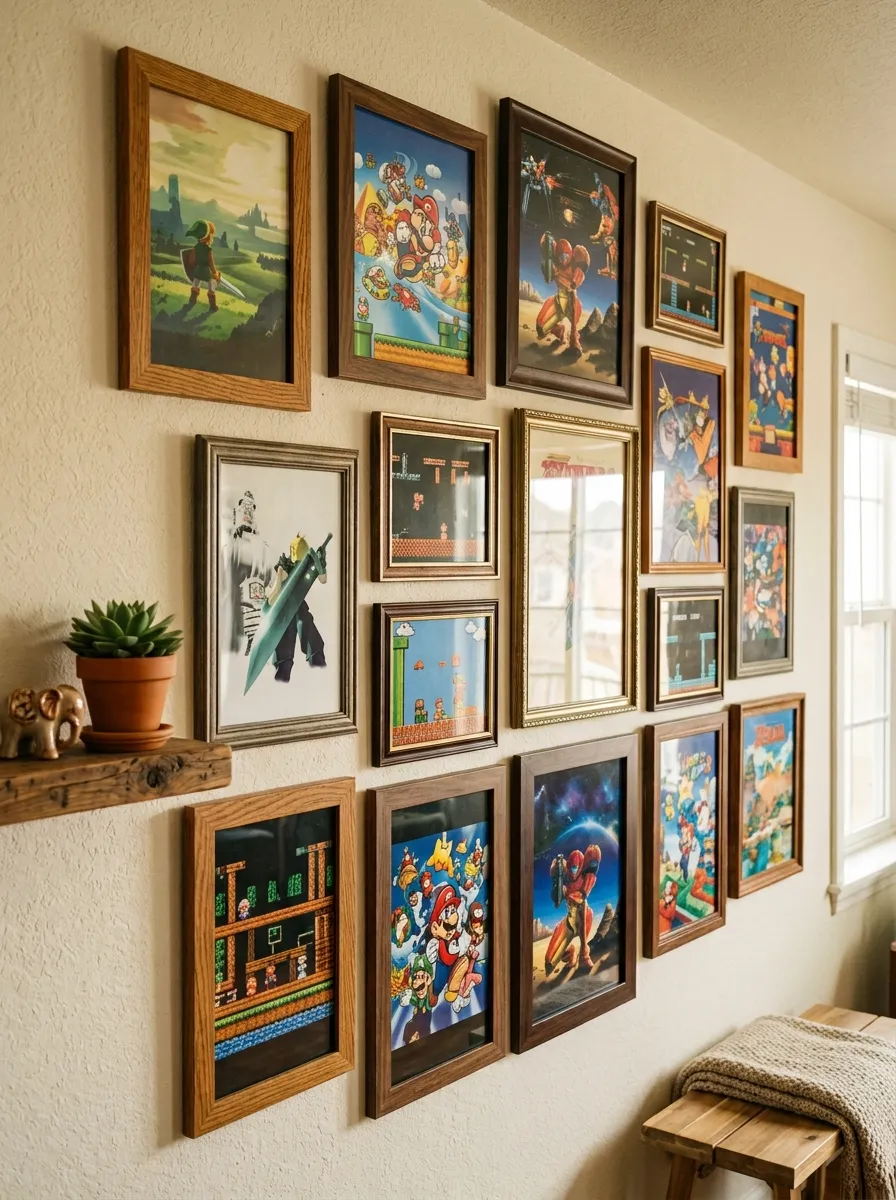
A poster wall is one of the cheapest ways to fill empty space with personality. Print your own favorite game art or grab affordable prints online. Mix frame sizes for a layout that feels natural instead of stiff. Black frames look clean and modern, while wood frames give a warmer feel. Arrange posters loosely on the floor first before hanging anything, this saves you from extra nail holes. Stick to a theme, like a specific console era or genre, so the wall feels put together instead of random. If framing feels like too much work, poster putty works fine for a temporary setup. This wall becomes a great conversation piece, especially when friends spot a game they used to play as kids.
4. Bean Bag Lounge Zone
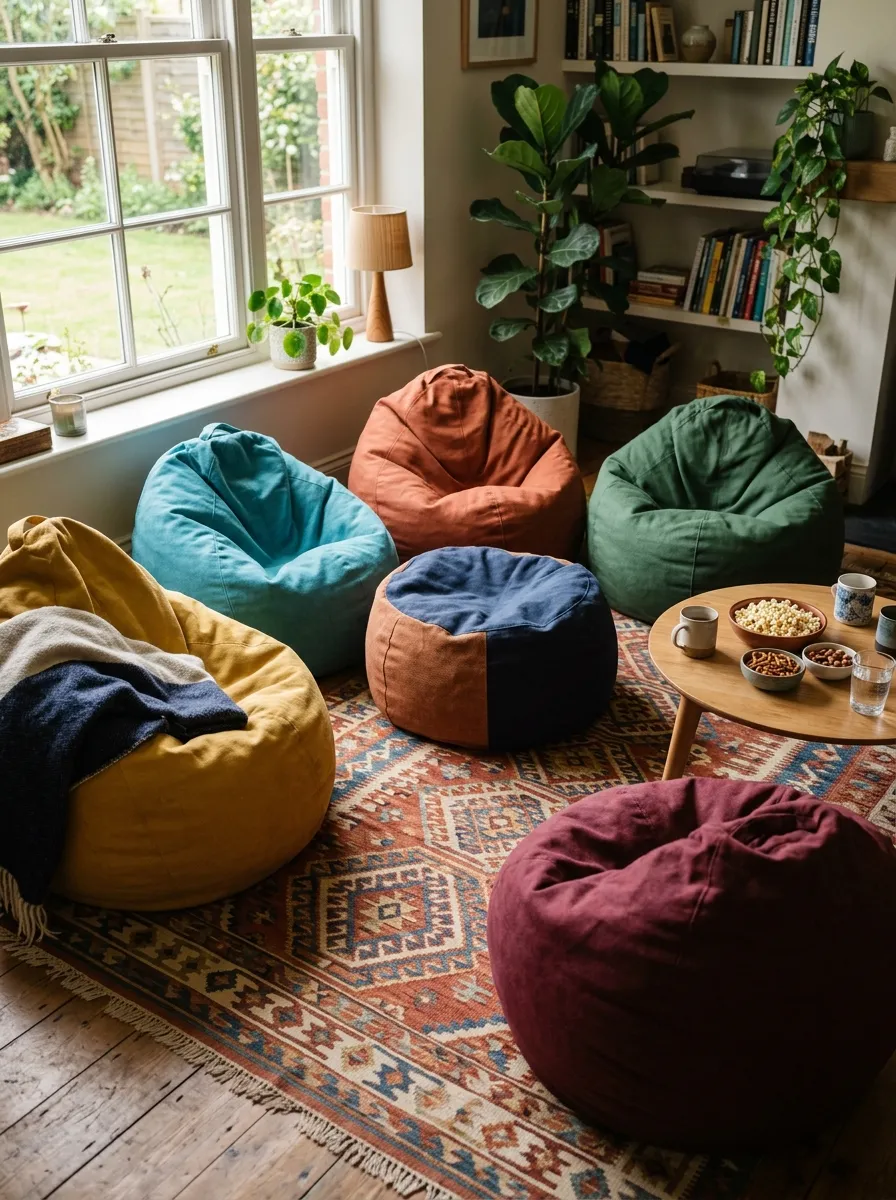
Comfortable seating matters more than people think. Bean bags are affordable, flexible, and easy to move around for group nights. Pick two or three colors that match your room’s overall palette so the space feels intentional. Group them near the screen or in a separate corner for chatting between rounds. They also work great for kids or guests who don’t need a full chair setup. If you already own old bean bags, a simple fabric cover refresh can make them look brand new for a fraction of replacement cost. Add a small side table nearby for drinks and controllers. This kind of casual seating keeps the room feeling relaxed instead of formal, which fits the whole point of a game room in the first place.
5. Pegboard Wall for Controllers
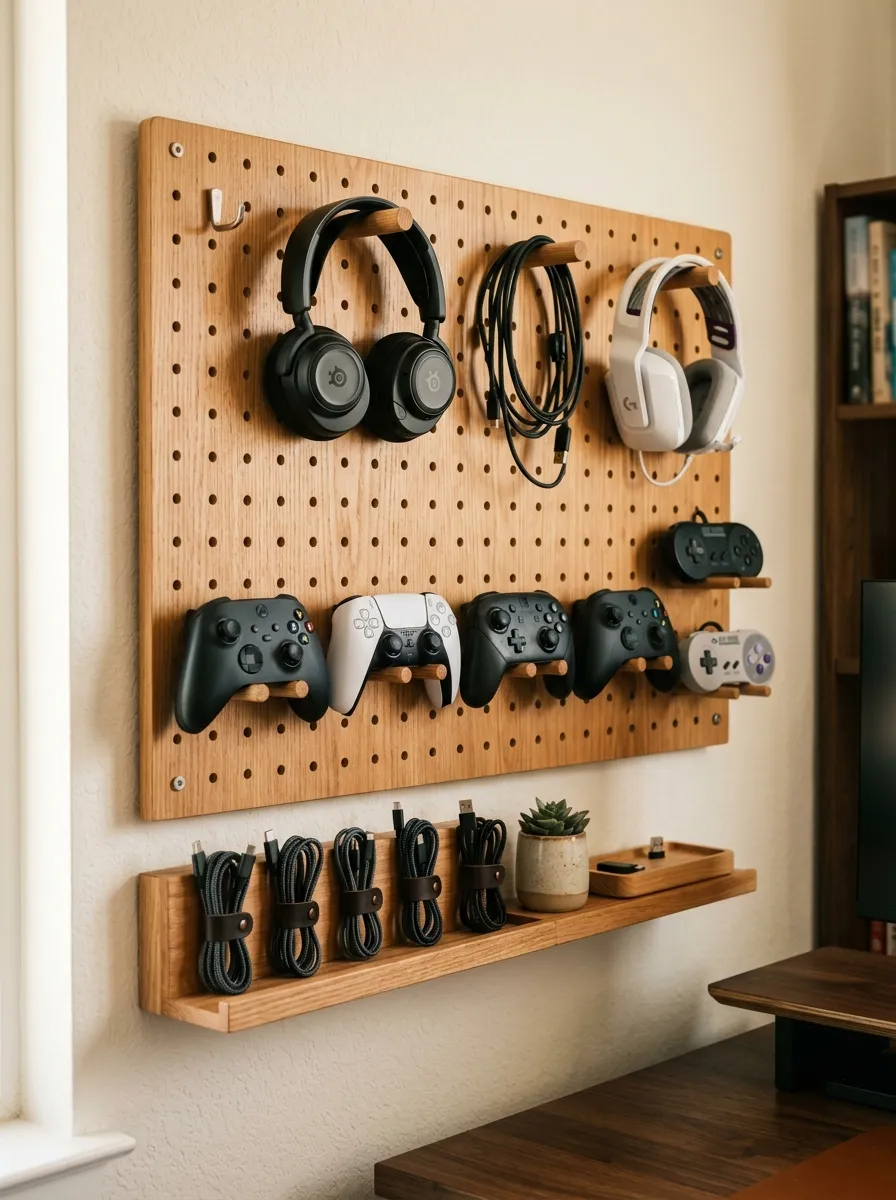
Clutter kills the vibe of any room. A pegboard keeps controllers, headsets, and small accessories off the floor and organized in one place. Paint the board a color that matches your room theme, then add hooks and small shelves wherever you need them. This setup costs very little and can be built in an afternoon with basic tools. It also makes it easier to spot missing controllers before a group session starts. Hang it near the seating area so everything stays within reach. If you want a personal touch, spray paint the hooks a bold accent color to match your lighting setup. A tidy wall like this turns clutter into part of the decor instead of something you have to hide.
6. Blacklight Accent Corner
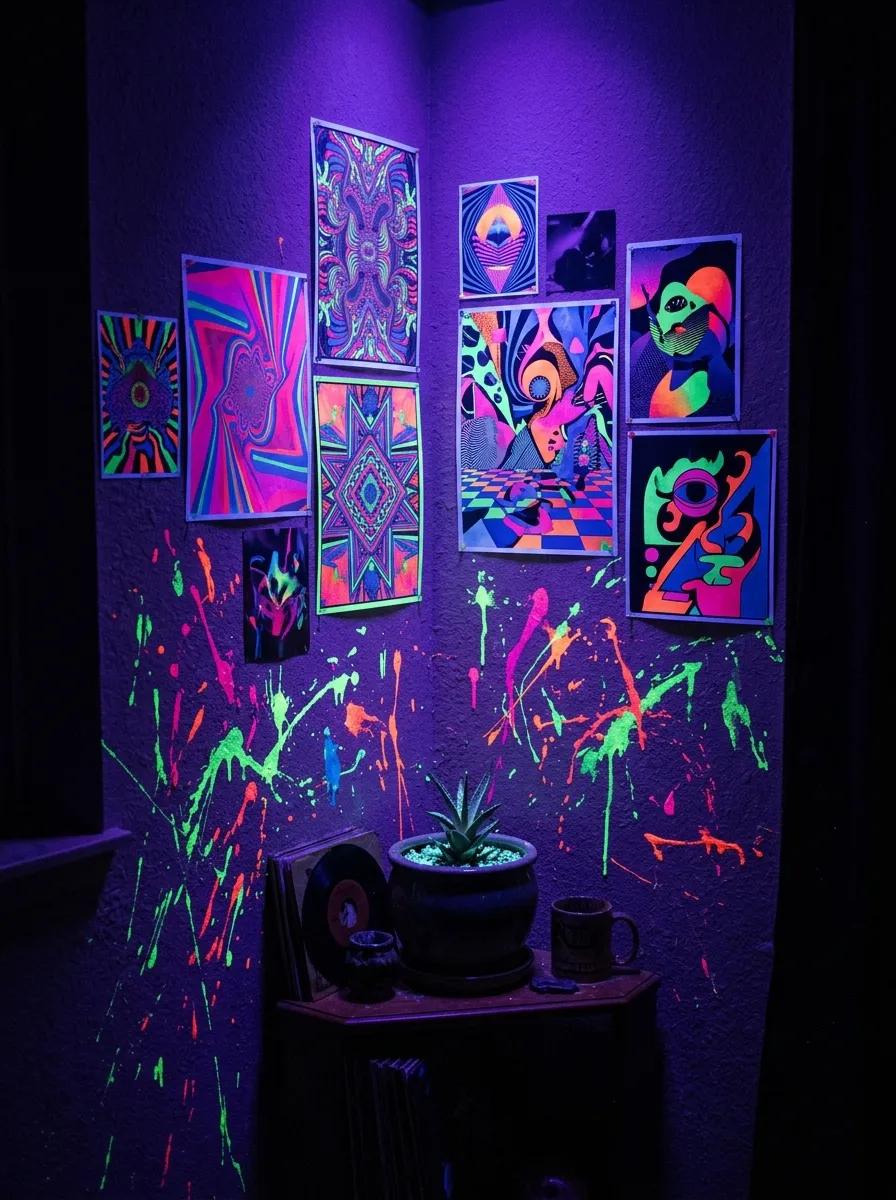
Blacklights add a playful, almost surreal touch to a game room. Grab a cheap blacklight bulb and swap it into an existing lamp. Pair it with posters, paint, or stickers that use fluorescent colors for maximum effect. Even white fabric or sneakers glow under this kind of light, which makes the whole corner feel alive. Keep it limited to one section of the room so it stands out rather than overwhelming the space. This works especially well for late night sessions when you want a different mood than daytime lighting. A five dollar bulb can completely change how a corner feels after dark, and it costs almost nothing to try out.
7. Mini Bar Cart for Snacks
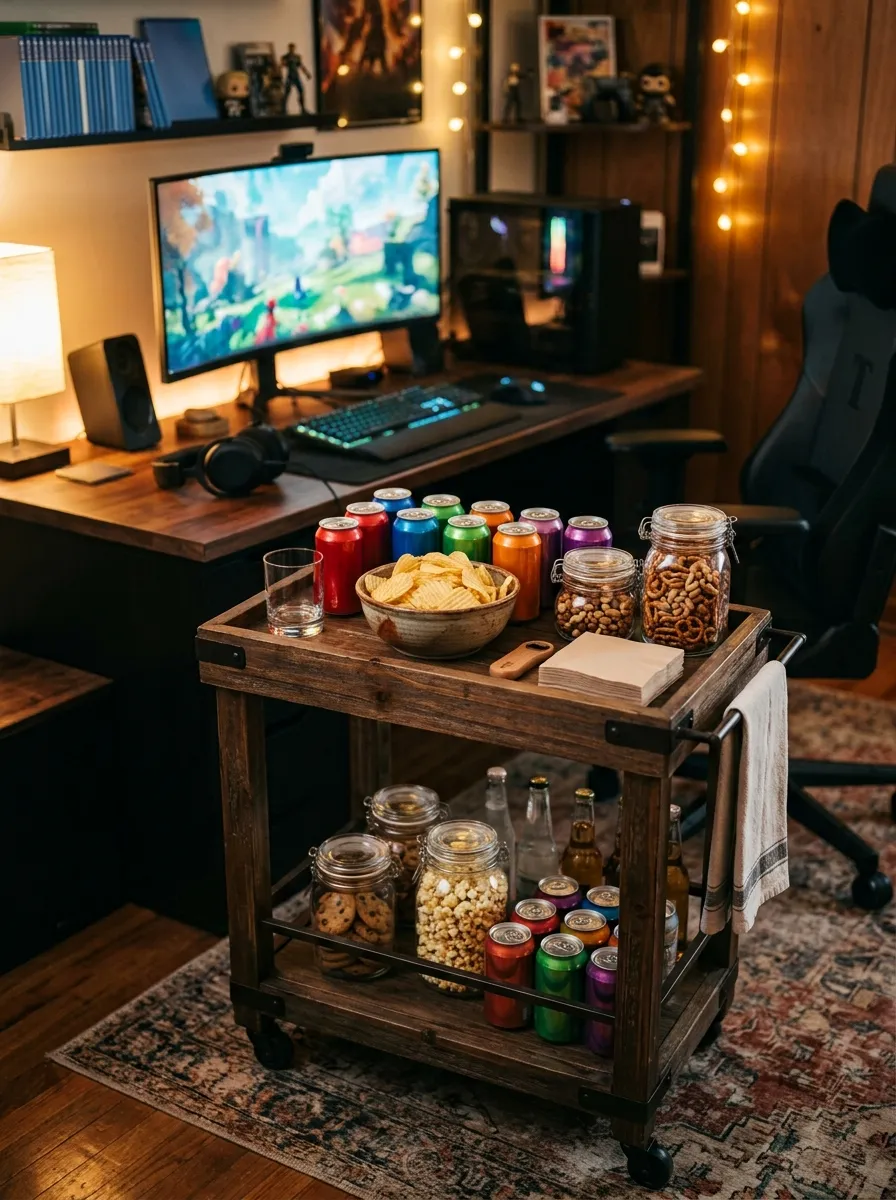
A snack station keeps everyone fed without pausing the game every ten minutes. A small rolling cart works perfectly for this. Stock it with chips, candy, and a few drinks. Add small bins or jars to keep things organized instead of tossed in loose bags. Thrift stores often sell carts for cheap, or you can repurpose an old shelf you already own. Roll it near the seating area during game nights, then push it aside when not in use. This small addition saves trips to the kitchen and keeps the group together longer. It also gives the room a lived-in, party ready feel without needing a full kitchen setup.
8. Floating Shelves for Collectibles
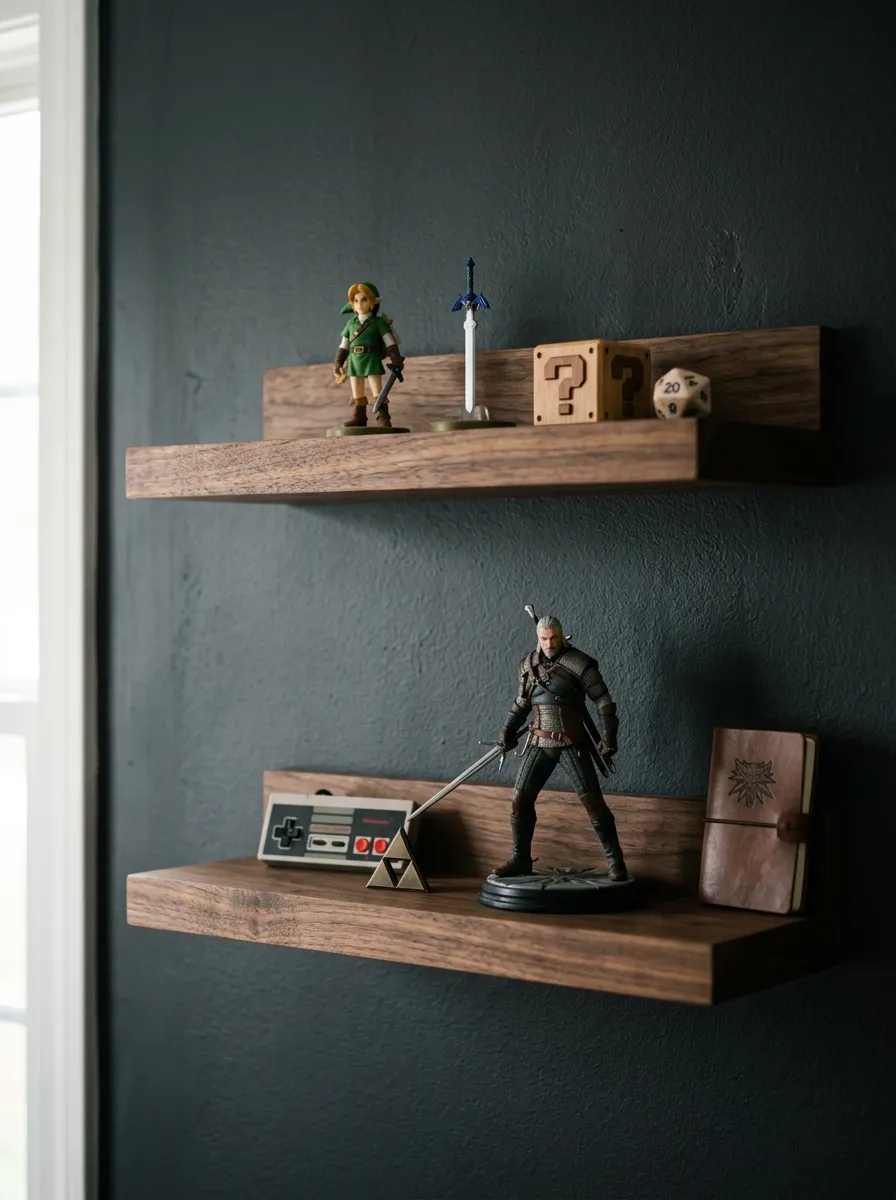
Floating shelves give your collectibles a proper stage instead of leaving them scattered on a desk. Group items by color or theme so the display feels organized. Leave a little breathing room between pieces instead of packing everything tightly together. Basic shelf kits are inexpensive and easy to install with just a drill and a level. Use different shelf heights to add depth to the wall. This works well for figurines, trophies, or even old game cases you don’t want to throw away. A clean shelf display turns random clutter into something that actually looks curated, and it gives your collection a spot people will actually notice.
9. Comic Book Themed Accent Wall
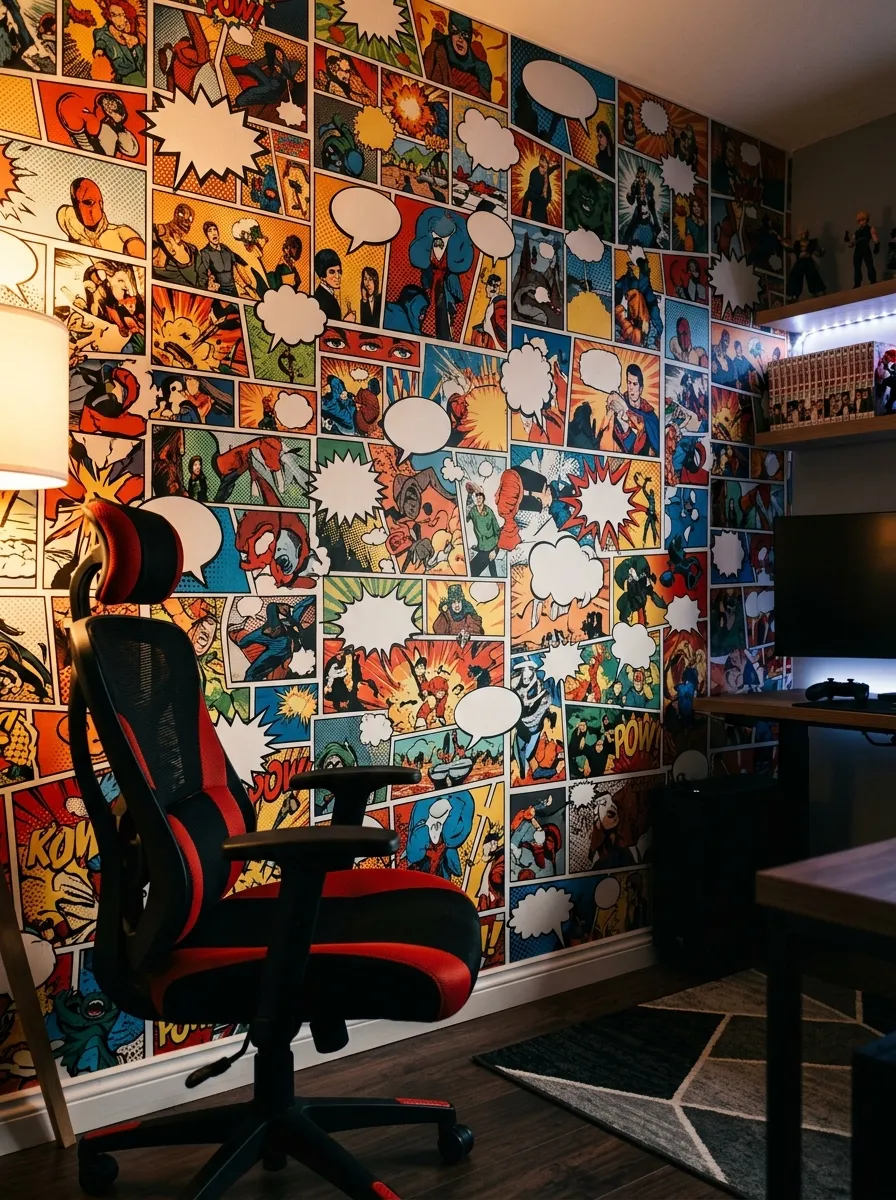
An accent wall gives one section of the room a strong personality without repainting the whole space. Comic style wallpaper or peel and stick panels are affordable and easy to apply yourself. Pick a wall that’s visible from the main seating area so it gets noticed right away. If wallpaper feels pricey, painting bold shapes and blocks of color can create a similar effect for less. Keep the rest of the room fairly neutral so this wall stays the focal point. This idea works especially well for smaller rooms since one strong wall can carry the whole design without needing extra decor pieces scattered everywhere else.
10. LED Marquee Sign
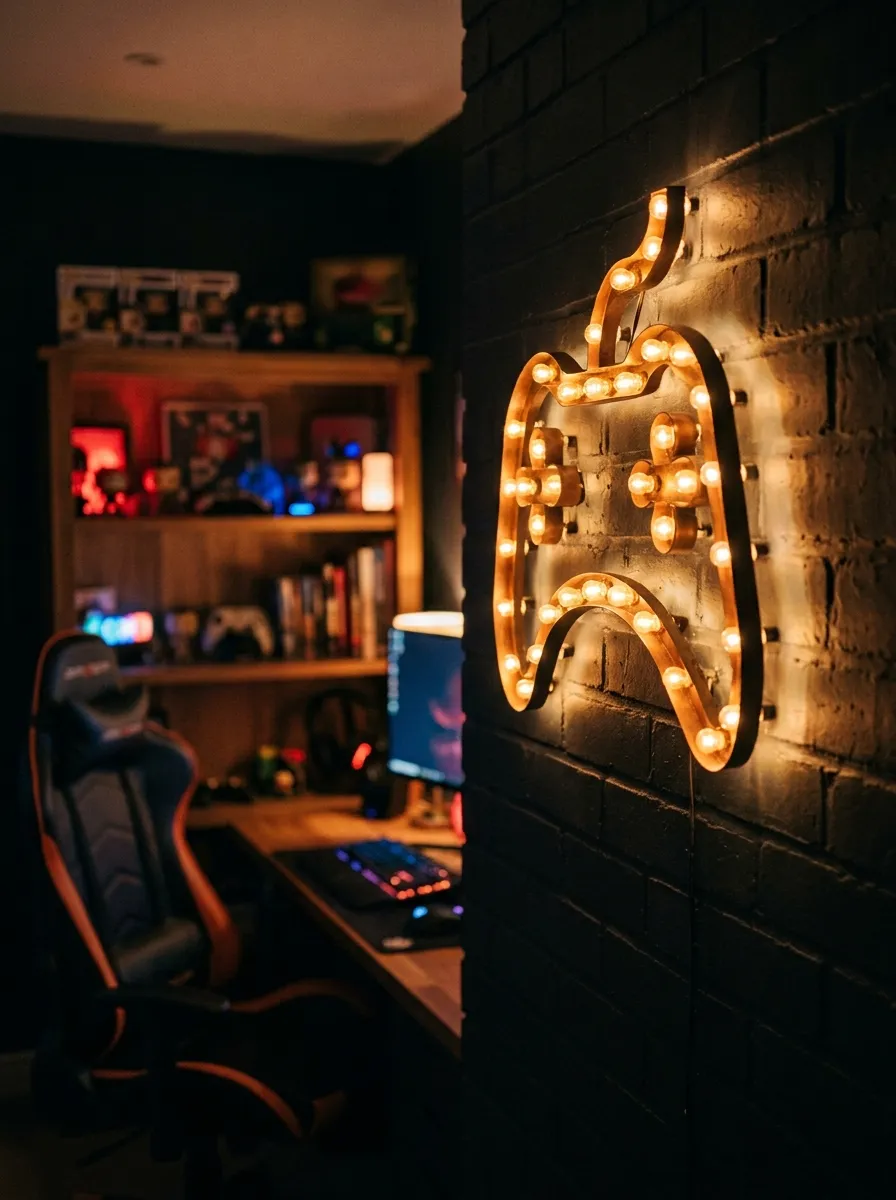
A marquee sign adds a fun personal touch without much effort. Many affordable versions let you spell out short words or phrases using plug in letter lights. Place it above a shelf or next to your seating area so it catches attention right away. These signs also make great gifts if someone else is helping design the room. Battery powered versions are handy since you skip running extra cords across the floor. Swap the letters occasionally to keep things feeling fresh. A small glowing sign like this gives the room a playful, almost personal brand, similar to what you’d see in an arcade or a local hangout spot.
11. Custom Game Room Rug
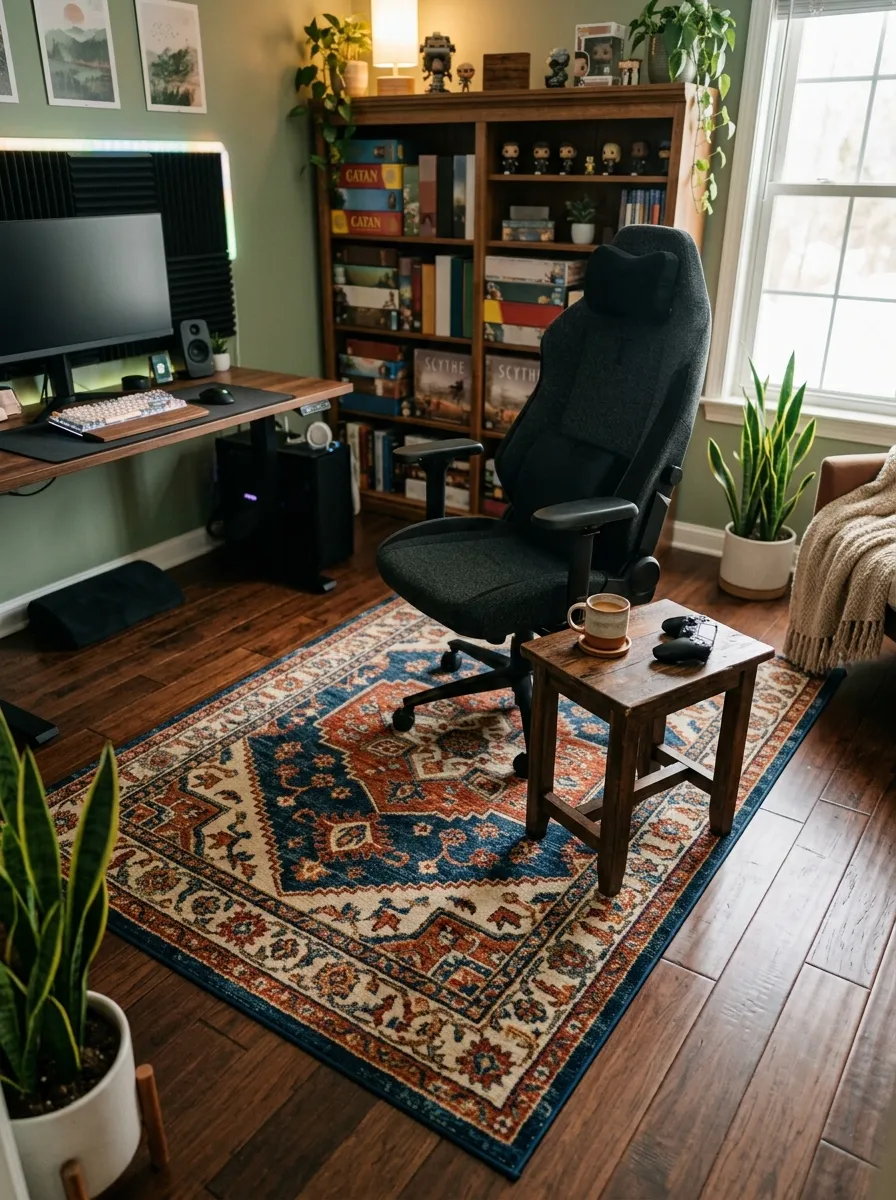
A rug ties the whole room together and adds warmth underfoot. Pick a pattern or color that matches your lighting and wall decor instead of picking something random. Rugs also help define separate zones, like a seating area versus a play area, especially in open rooms. Budget rugs from home stores work just as well as pricier options if the color palette fits. Add a rug pad underneath for extra comfort and to keep it from sliding around. This is one of the easiest upgrades since it requires zero tools or installation. Just roll it out and the room instantly feels more finished and less like an empty space with furniture scattered around.
12. Repurposed Crates for Storage
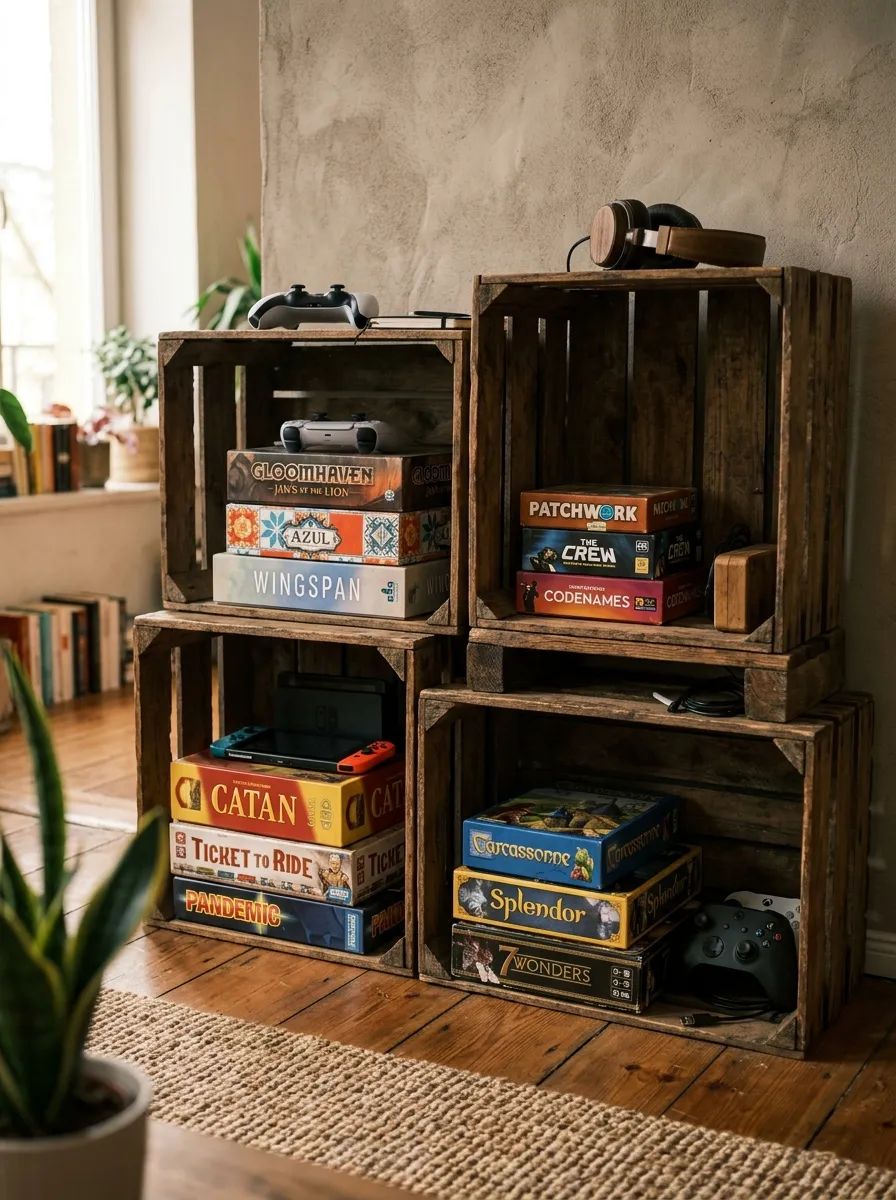
Old wooden crates make surprisingly good storage for game rooms. Stack a few together for a shelf style unit, or use single crates as small side tables. They’re often available cheap at thrift stores or even free from local marketplace listings. Sand them down and add a coat of paint or stain if you want a cleaner look. Use them to hold board games, extra cables, or spare controllers. This kind of storage adds texture to the room while solving the clutter problem at the same time. It also gives the space a slightly rustic, handmade feel that contrasts nicely against glowing LED lights and screens.
13. String Lights Canopy
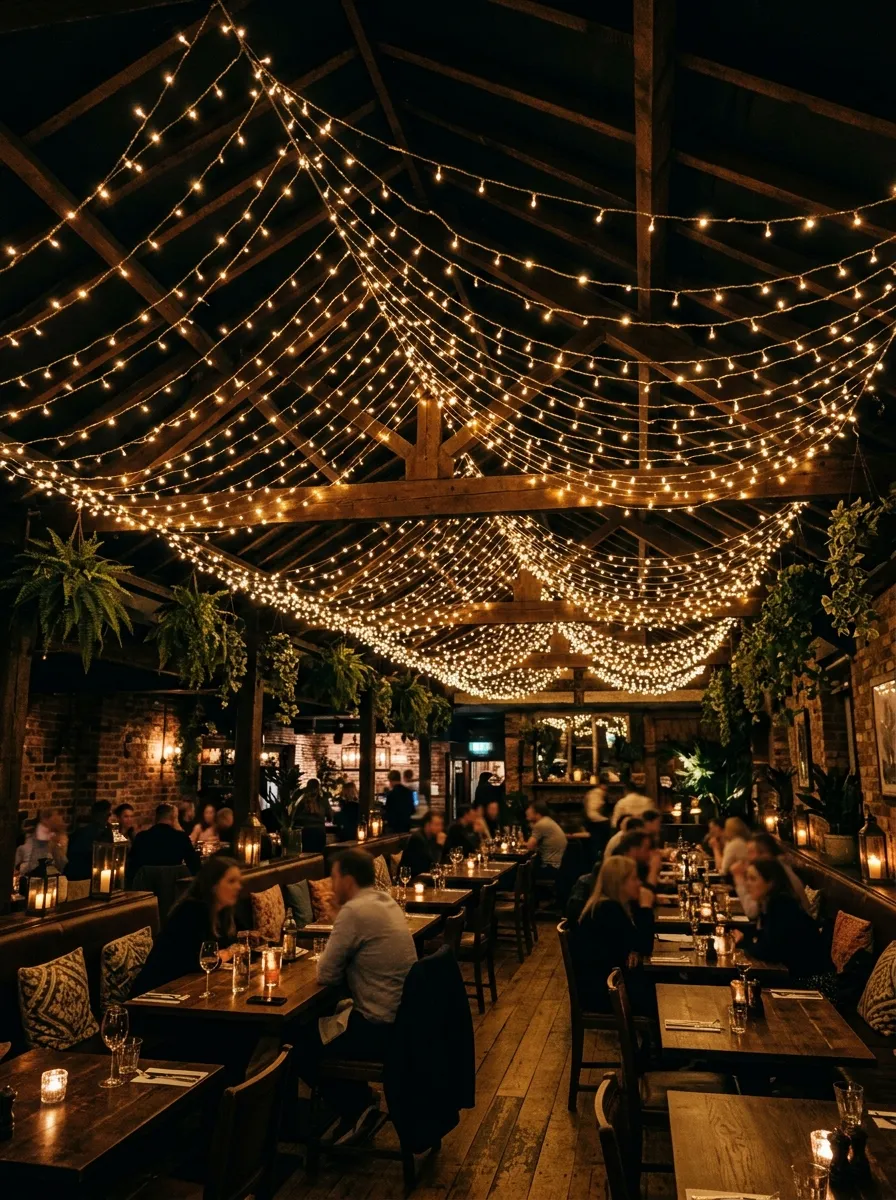
String lights across the ceiling create a cozy, almost tent like feel above the seating area. Use small hooks or clips to drape them in loose curves instead of straight lines. Warm white bulbs give a relaxed glow, while colored bulbs match a more energetic setup. This works especially well in rooms without much natural light since it softens the space instead of leaving it flat and dark. String lights are inexpensive and reusable, so you can rearrange them anytime you rearrange furniture. Combine them with your existing LED strips for layered lighting that feels less harsh than a single overhead bulb. It’s a small touch that makes the whole ceiling feel intentional.
14. Chalkboard Scoreboard Wall
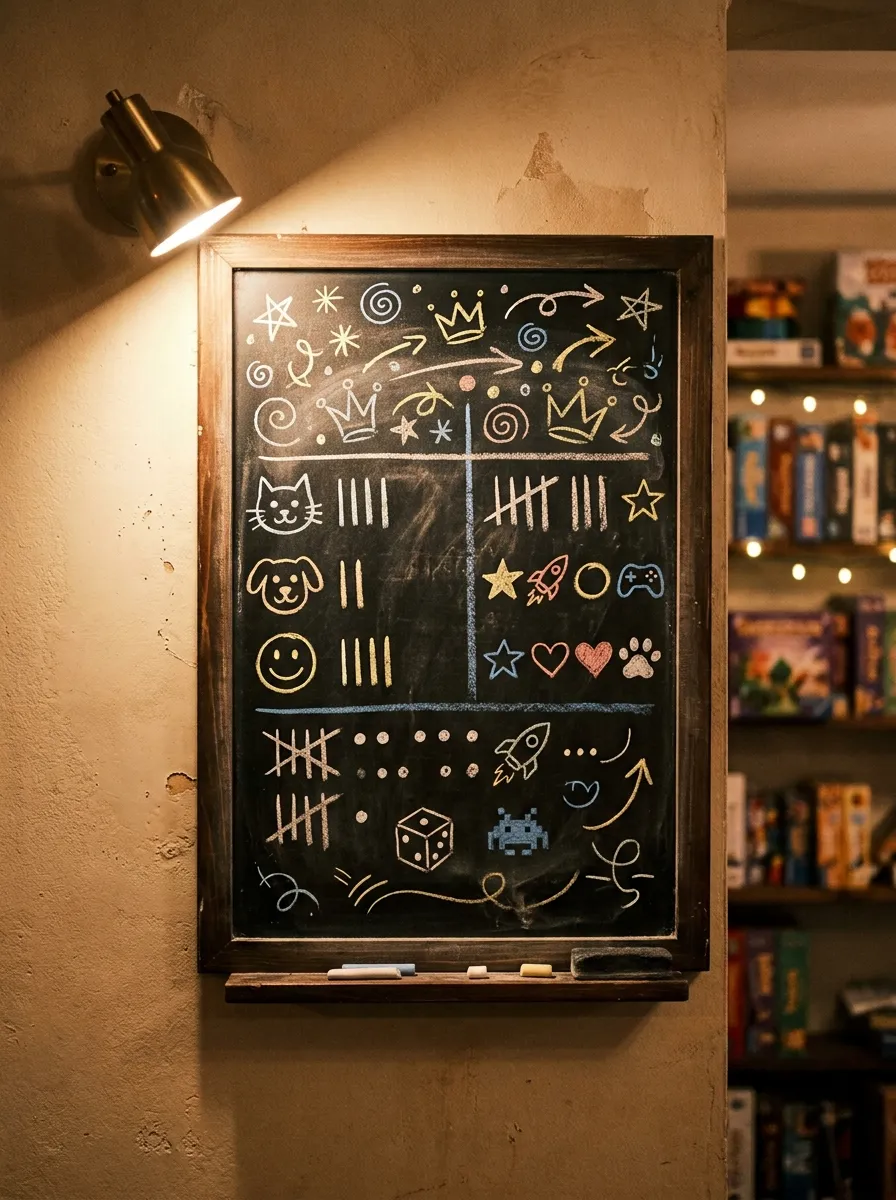
A chalkboard adds a fun, functional piece to any game room. Use it to track scores, leave notes for friends, or just doodle between rounds. Cheap chalkboard paint can turn any flat surface into a usable board without buying anything extra. Frame it with reclaimed wood for a more finished look. Keep chalk and an eraser nearby so it actually gets used instead of sitting untouched. This piece works well near the main gaming setup where everyone can see it during a session. It also adds a personal, ever changing element to the room since the writing on it constantly shifts depending on who’s over that week.
15. Vinyl Record Wall Display
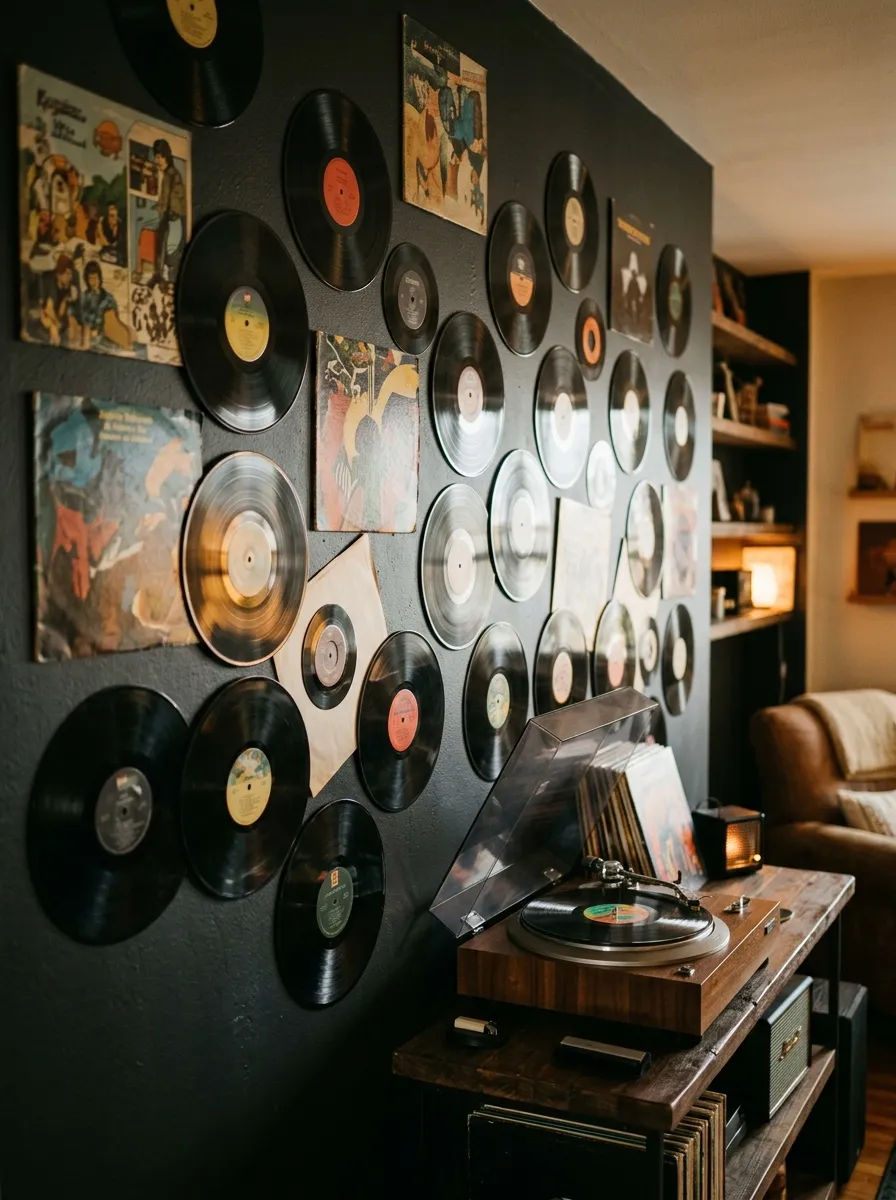
Vinyl records make a great decorative piece even if you don’t own a record player. Mount a few favorites on the wall using simple adhesive hooks or small display frames. Mix album covers with plain black records for visual variety. This works especially well paired with retro gaming themes since both share that nostalgic feel. Thrift stores often sell records for a dollar or two, so building a small collection doesn’t cost much. Arrange them in a loose cluster rather than a perfect grid for a more relaxed look. This kind of display gives the room a lived in, curated feeling that goes beyond typical gaming decor.
16. Foosball or Ping Pong Table Corner
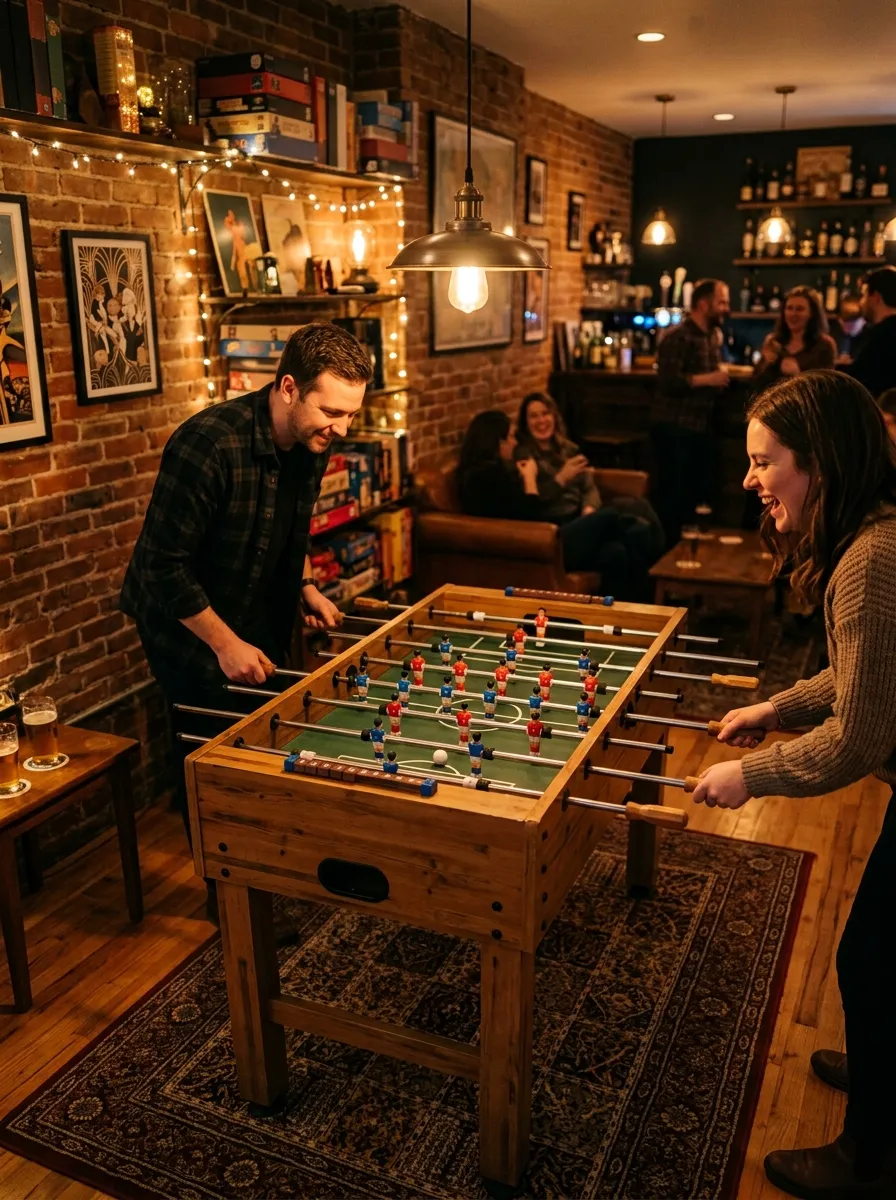
A small tabletop game adds a physical activity option between video game sessions. Foosball and ping pong tables come in compact sizes that fit even smaller rooms. Look for used tables on local marketplaces, they often sell for a fraction of retail price. Position it near a wall so it doesn’t block walking paths. This kind of table also gives guests something to do while waiting their turn on the main screen. It adds variety to the room instead of everything centering around one TV. Even a foldable table top version works if space is tight. Having a mix of digital and physical games keeps the room feeling active and social rather than static.
17. Movie Poster Light Box
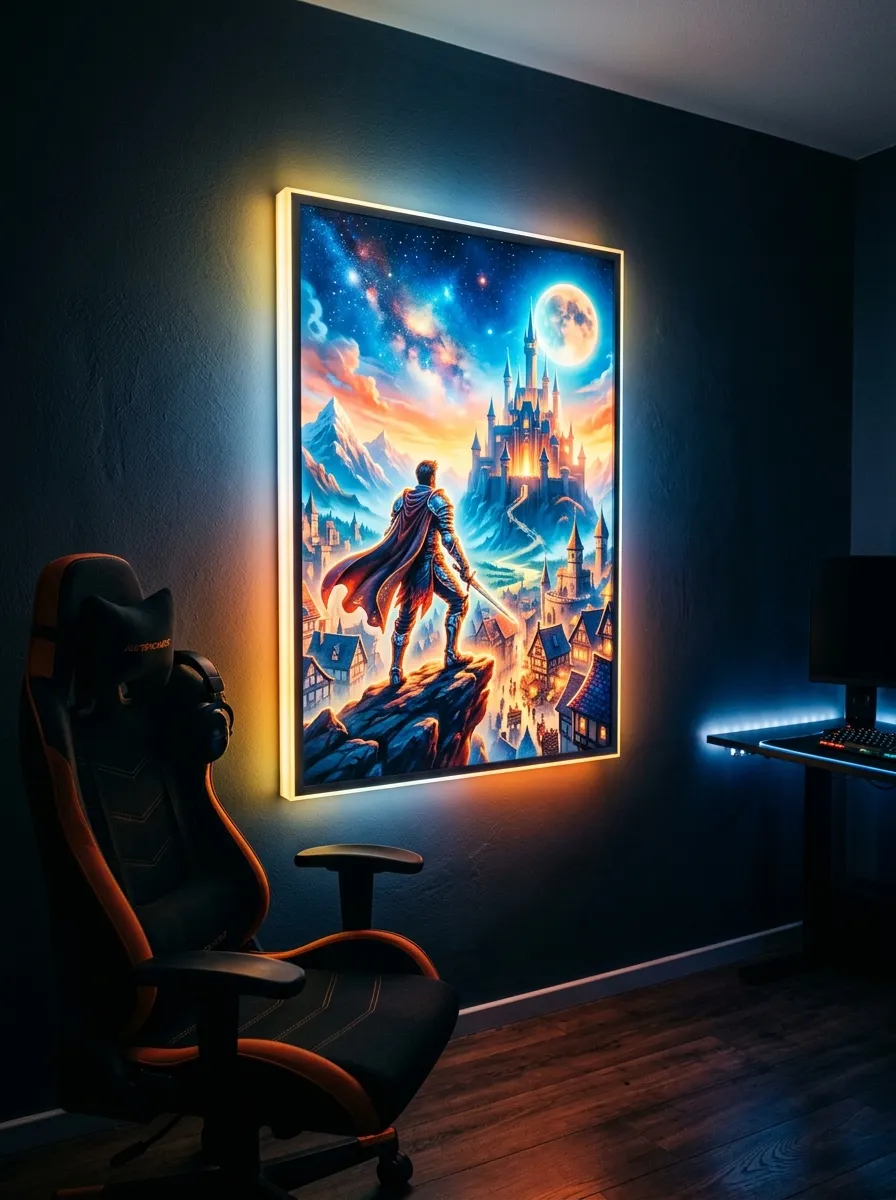
A light box adds a glowing focal point without taking up much space. Many affordable versions let you swap posters whenever you want a change. Mount it at eye level near the entrance so it grabs attention right away. Pair it with your existing LED lighting so the colors complement each other instead of clashing. This piece works well for movie or game themed art, giving the room a slightly cinematic feel. If a light box feels out of budget, a simple frame with a small LED strip behind it can create a similar glowing effect for less. It’s a small detail that adds a lot of visual interest.
18. Themed Curtain Backdrop
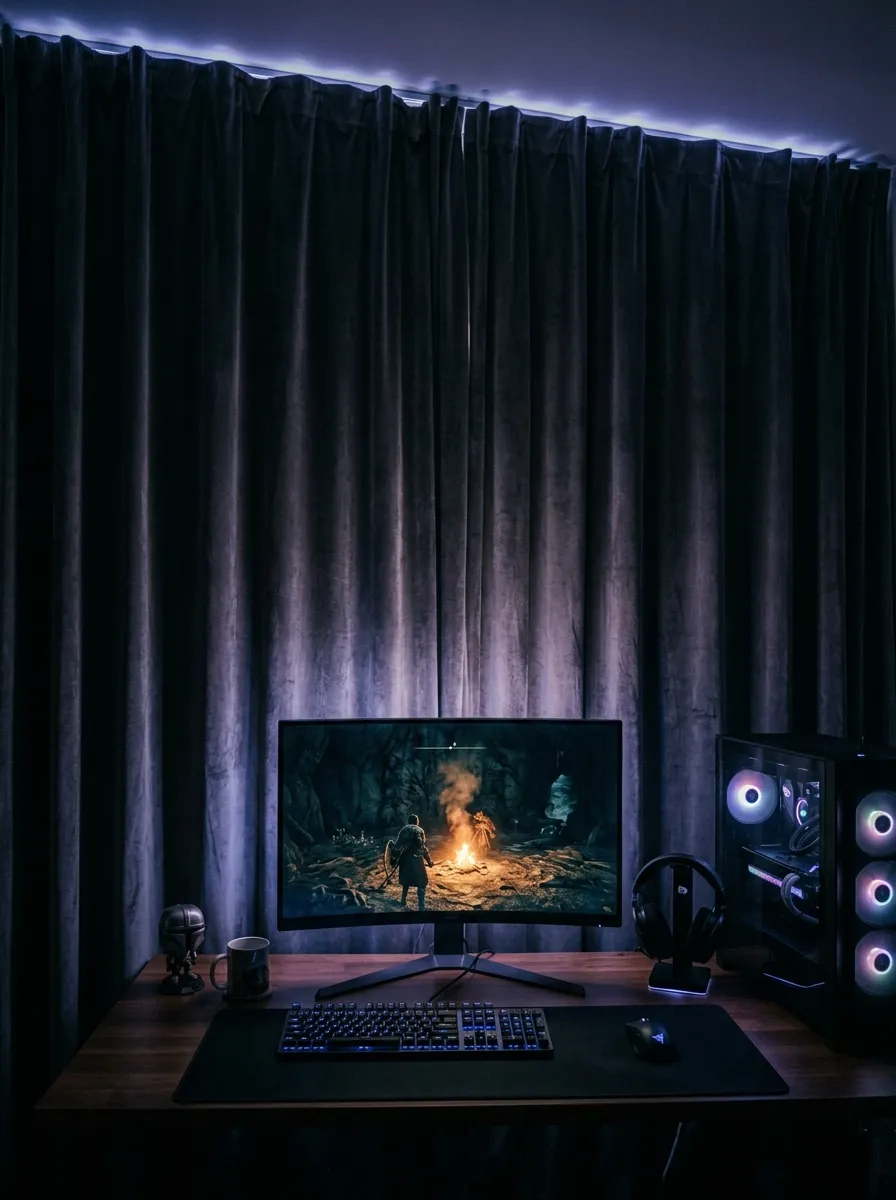
A curtain backdrop hides messy walls or exposed wiring behind your main setup. Black or dark colored fabric works best since it makes lighting effects pop even more. Hang it using a simple tension rod, no drilling required. This is especially useful for renters who can’t paint or make permanent changes to the walls. Add LED strips behind the curtain for a soft glowing edge effect. It also gives your setup a slightly more polished, streamer style look if you ever record or stream gameplay. Fabric backdrops are cheap, easy to clean, and simple to swap out whenever you want a new color or texture in the room.
19. DIY Cable Management Station
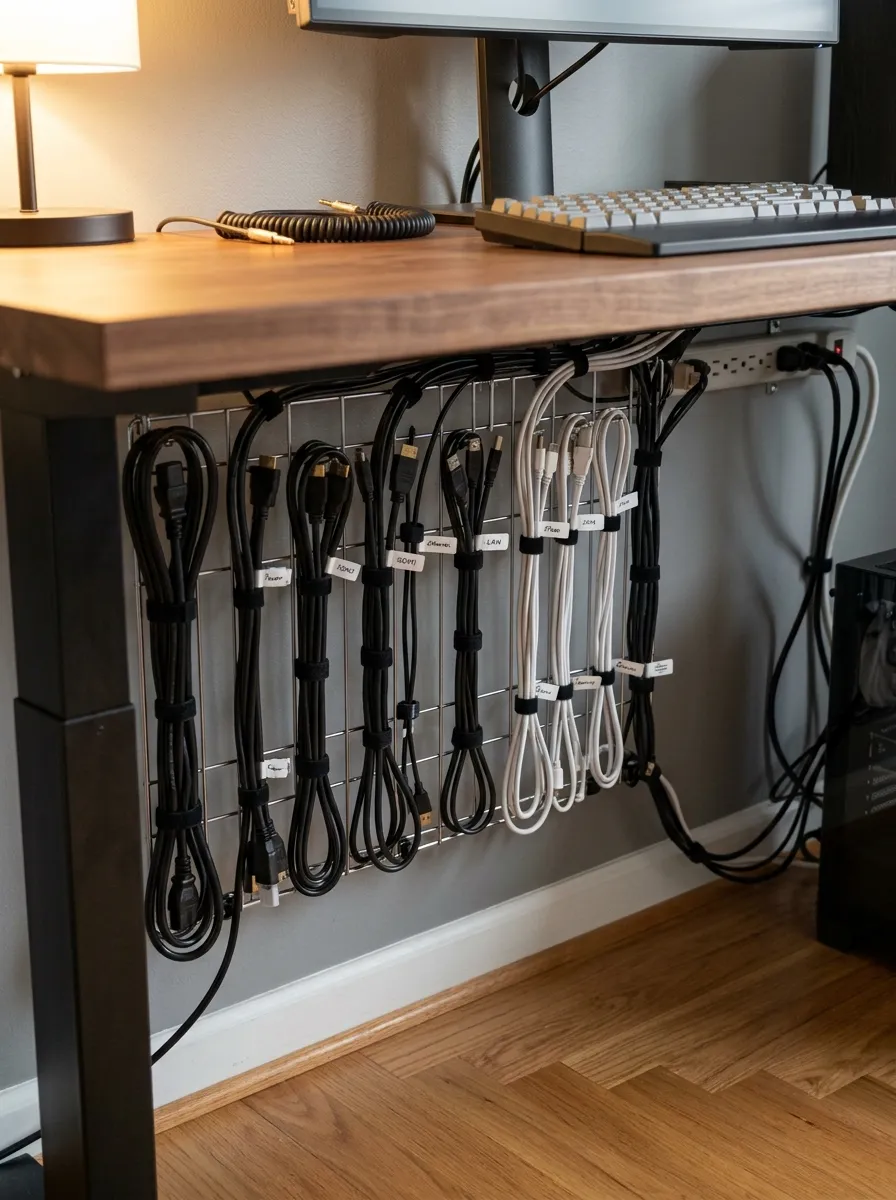
Tangled cables ruin the look of an otherwise well designed room. A simple cable management setup fixes this without spending much. Use zip ties, adhesive clips, or a cable sleeve to bundle wires together behind furniture. Label cords if you have multiple consoles hooked up so troubleshooting is easier later. Mount a power strip under the desk instead of leaving it on the floor. This kind of cleanup takes less than an hour but makes a noticeable difference in how put together the room feels. Hidden or organized cables also reduce tripping hazards, which matters more once you have a full room of people moving around during game nights.
20. Plant Corner for Balance
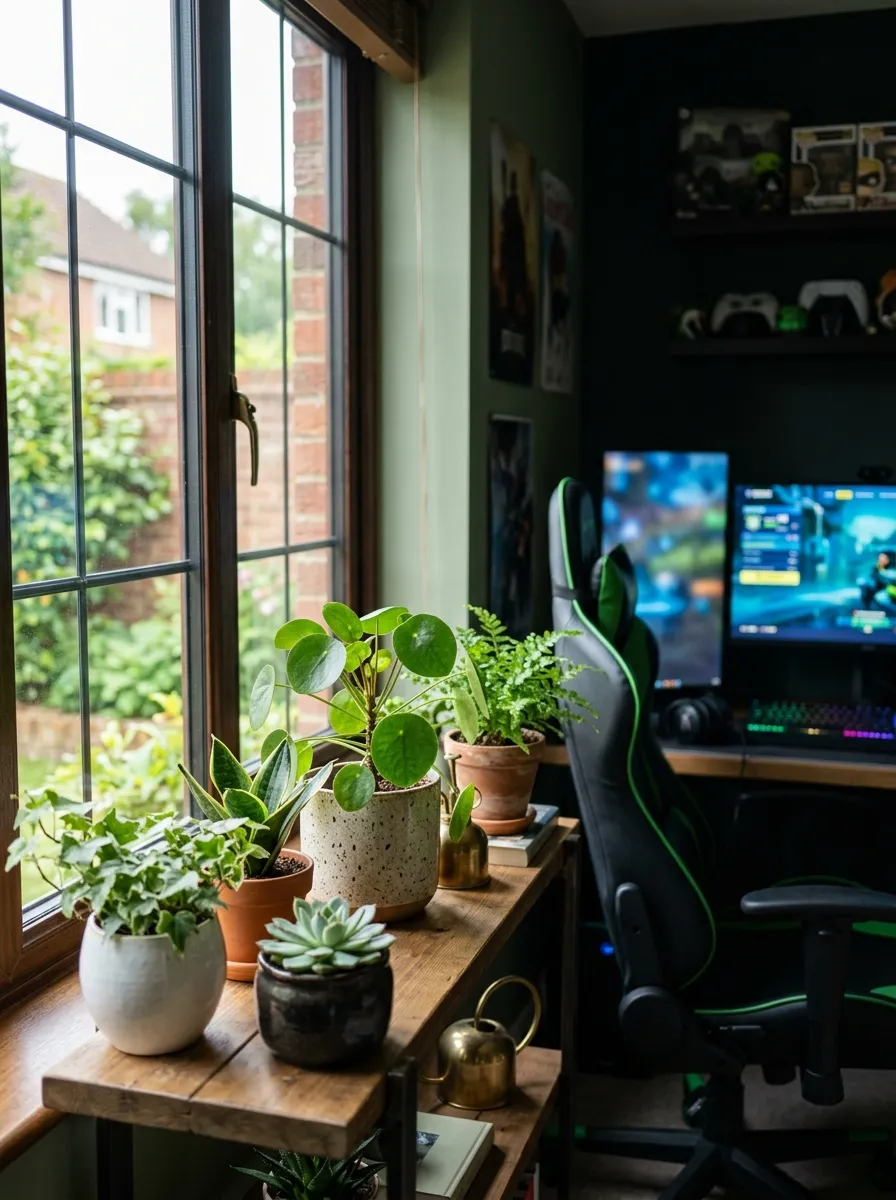
Plants soften a room full of screens, wires, and neon light. A few low maintenance plants like pothos or snake plants add color without needing much care. Place them near a window if you have one, or use a small grow light if the room lacks natural light. Plants also help balance out a space that leans heavily on tech and gaming gear, giving it a more lived in feel. Cheap plastic pots can be painted to match your color scheme. This small addition softens the harder edges of the room and gives your eyes a break from constant screen glow during long sessions.
21. Photo Booth Wall with Polaroids
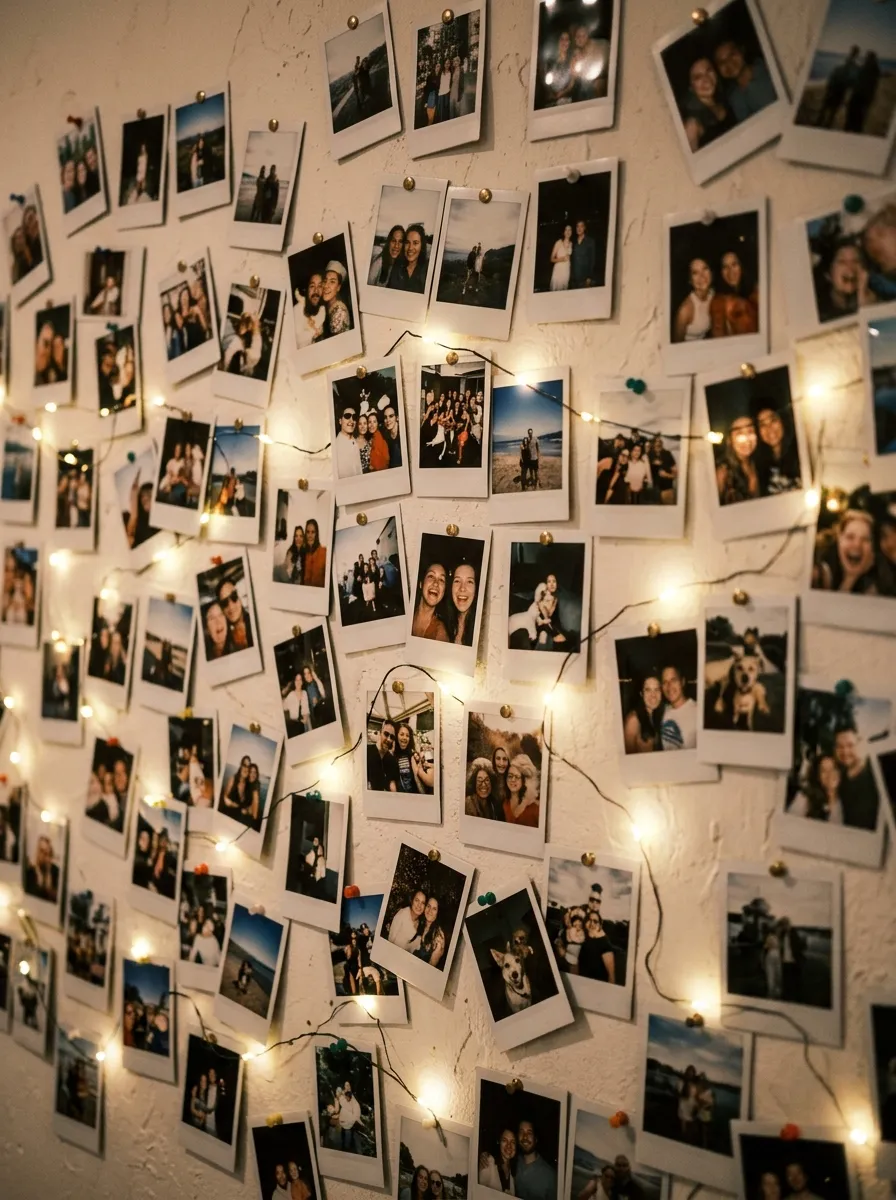
A photo wall adds a personal touch that store bought decor can’t replace. Pin polaroids of game nights, friends, and memorable moments across a small section of wall. Use string lights or washi tape to hold them in place without damaging the wall. This wall naturally grows over time as you add new photos after every hangout. It also gives guests something to look at and talk about, since everyone loves spotting themselves in old pictures. A cheap instant camera makes this easy to keep building. Over months, this section becomes one of the most meaningful parts of the room since it tells the story of who actually uses the space.
22. Cozy Reading Nook Combo Corner
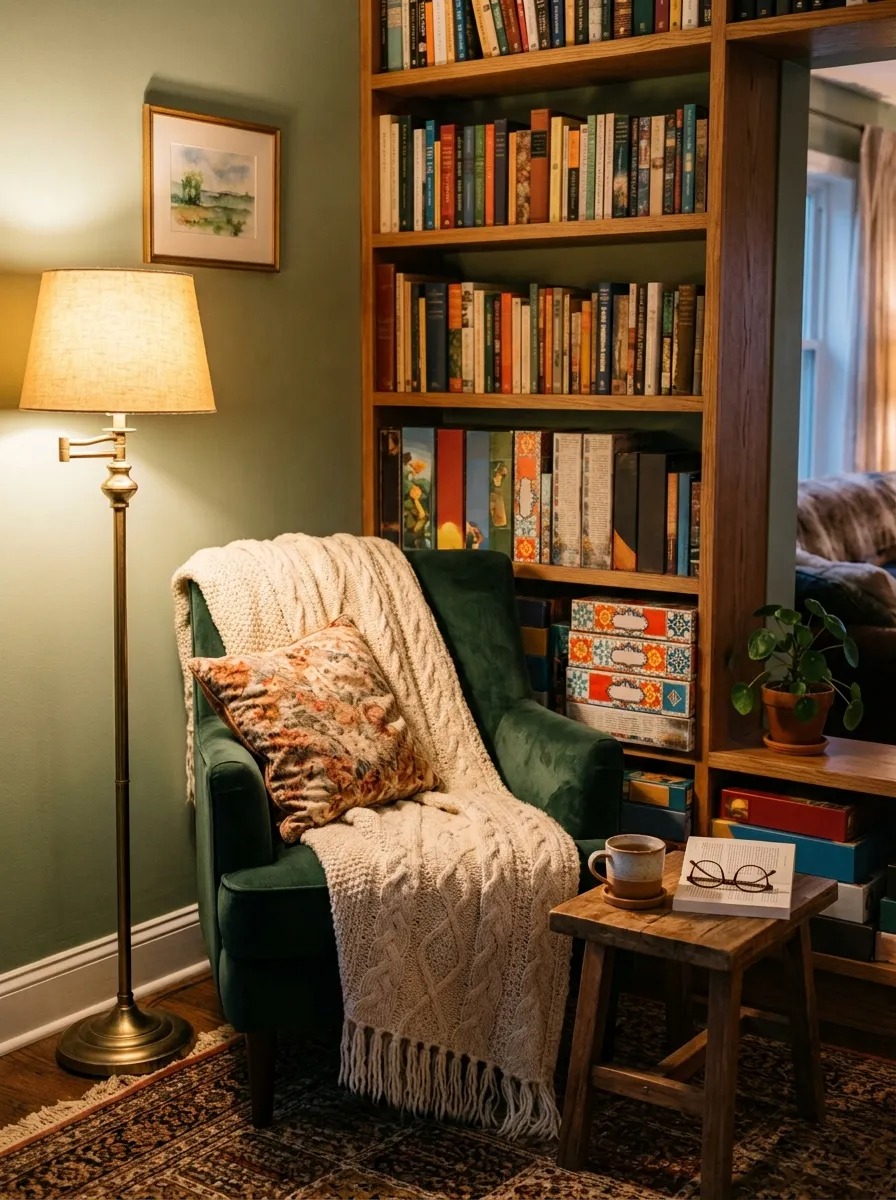
Not every moment in a game room needs to be high energy. A small reading nook gives the space a quieter corner for downtime between matches. A single comfortable chair, a lamp, and a small shelf are all you need to start. Add a soft blanket and a side table for drinks or snacks. This corner works well near a window if you have one, giving it natural light during the day. It also gives the room some balance, mixing action packed gaming zones with a slower, calmer spot. Even a small five foot corner can serve this purpose without taking away space from the main setup.
Conclusion
A great game room doesn’t happen overnight, and it doesn’t need a big budget either. Small changes like lighting, a rug, or a shelf of collectibles add up fast once you start layering them together. Pick two or three ideas from this list that fit your space and budget, then build from there over time. The goal isn’t perfection, it’s a room that feels like yours every time you walk in. Start small, stay consistent, and watch the space transform one weekend project at a time.