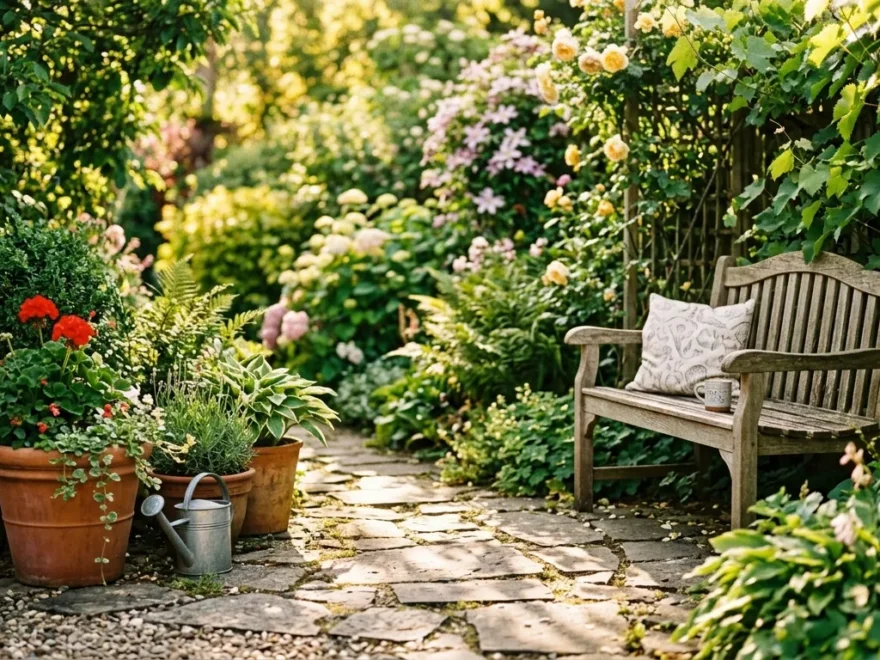
Turning a plain yard into a place people actually want to sit in does not require a big budget or a landscaping crew. Small, thoughtful touches like a string of lights, a repainted pot, or a handmade stepping stone can change the entire mood of an outdoor space. This list gathers simple, affordable garden decor ideas anyone can try over a weekend, whether you have a sprawling backyard or a small balcony. Each idea below comes with a practical way to make it happen using items you may already own.
1.String Lights Along the Fence
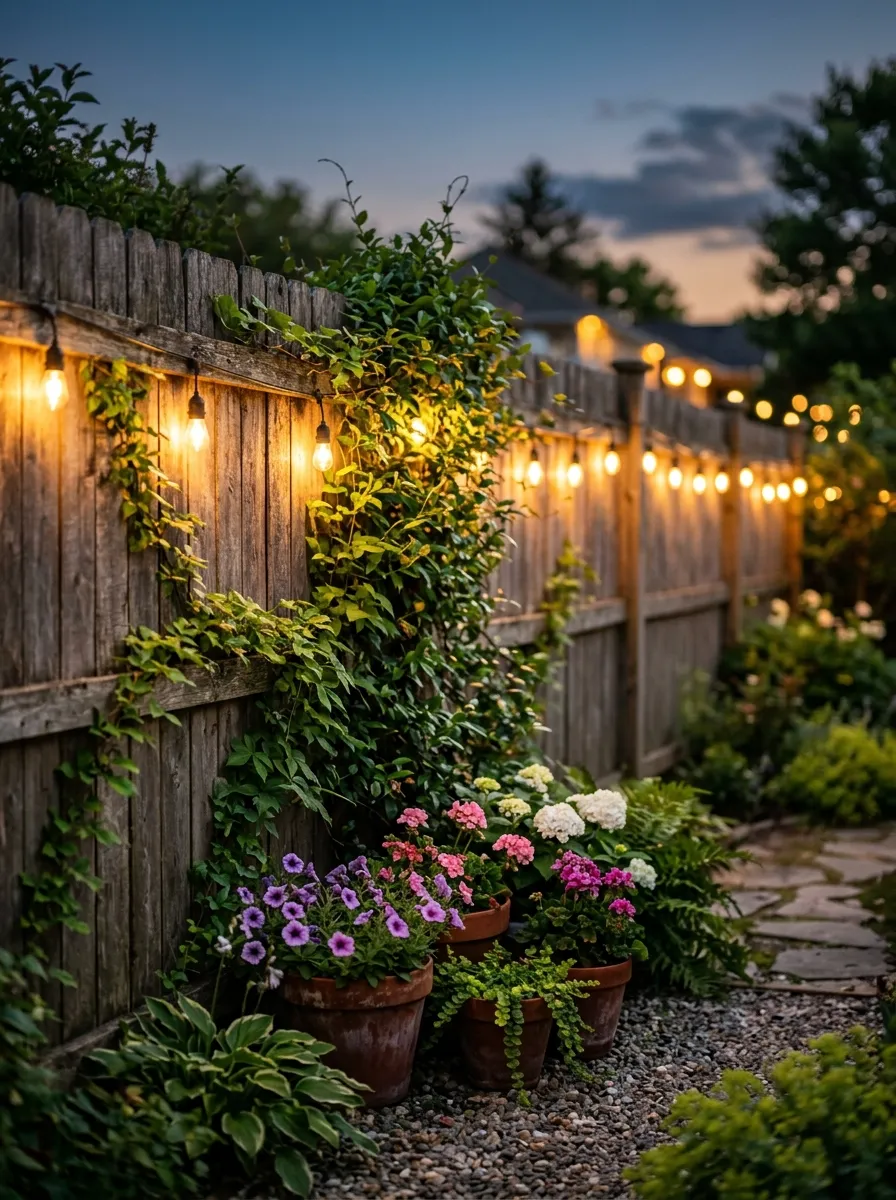
A fence is often the most overlooked part of a backyard. Wrap it in warm string lights and it becomes the centerpiece of every evening gathering. Solar powered lights work well because there is no cord to run and no extra cost on your electric bill. Loop them loosely along the top rail for a relaxed look, or weave them through a climbing vine for something greener. Try pairing the lights with a few hanging lanterns for extra depth. If you want a budget option, dollar store fairy lights work just as well as pricier brands once the sun goes down. Attach them with small clear hooks so the fence stays undamaged. On a small patio, wrap lights around a single trellis instead of the whole fence. This keeps costs low while still giving you that warm glow people notice right away. Once the sun sets, the fence stops being a boundary and starts being part of the party.
2.Repurposed Ladder Plant Shelf
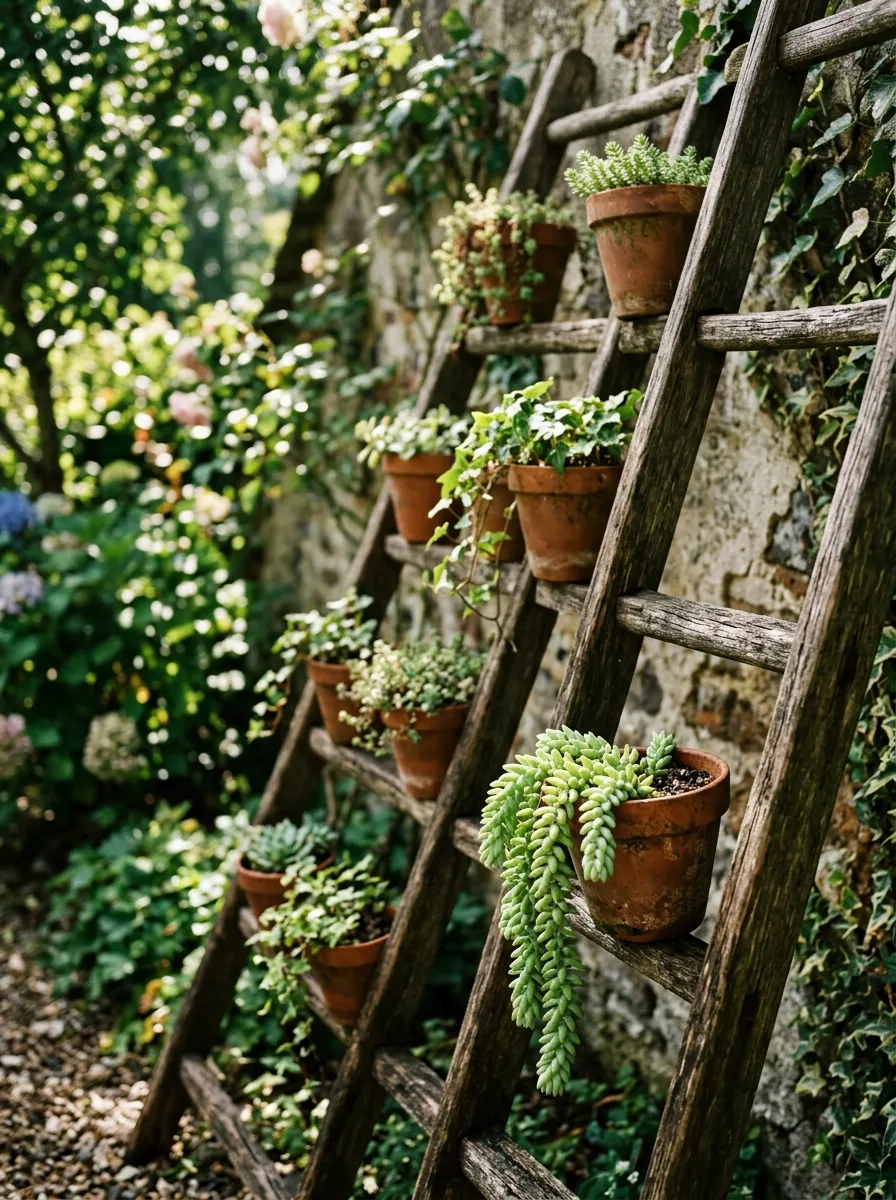
An old wooden ladder gathering dust in the garage can become a plant display in under an hour. Lean it against a wall and rest small pots on each rung. Mix trailing plants like pothos with upright herbs for variety in height and texture. If the ladder feels wobbly, secure it to the wall with a simple bracket. A coat of white or sage green paint gives it a cleaner look if the wood is worn. This idea works especially well for renters since nothing needs to be drilled into the ground. Thrift stores often sell old ladders for a few dollars, making this one of the cheapest vertical garden solutions around. Group pots by color for a curated feel, or let them be mismatched for a more relaxed, cottage-style garden. Either way, a ladder shelf turns unused vertical space into a green focal point without taking up any floor room. It’s also one of the most trendy home decor ideas, bringing natural texture, greenery, and character into both indoor and outdoor living spaces on a budget.
3.Mason Jar Lanterns for Pathways
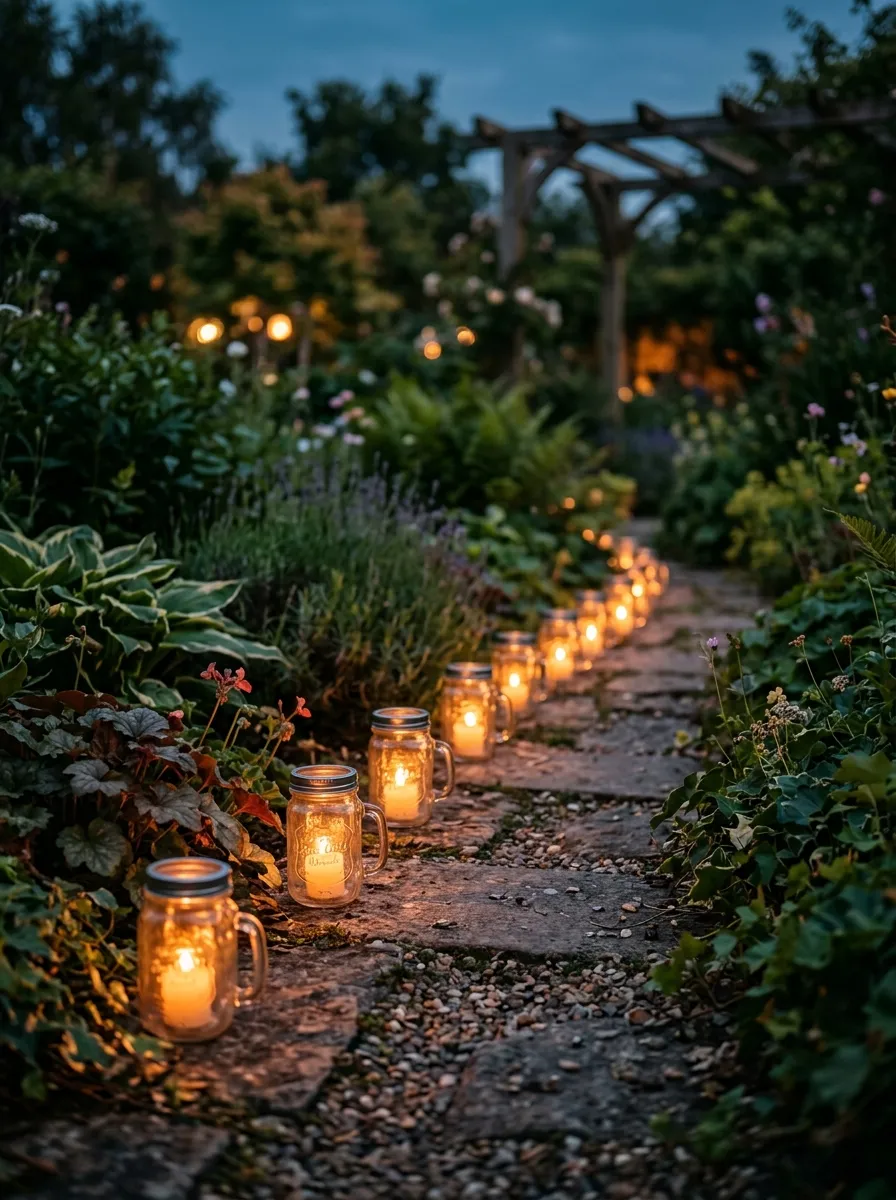
Empty mason jars make simple, glowing pathway lights. Drop in a battery operated tea light and place the jars along a walkway or garden edge. For a rustic touch, wrap the rim with twine or burlap before setting them out. Sand or small pebbles at the bottom keep the jars steady in windy weather. This idea costs almost nothing if you already have jars from pasta sauce or jam. Space them about two feet apart for a soft, continuous glow along a path. You can also hang a few from low branches using wire for a layered lighting effect. Swap the candles for colored fairy lights during a party for a quick style change. Because the jars are reusable, you can bring them indoors during winter and set them back out each spring. It is a small project that makes a big difference once it gets dark outside.
4.Painted Terracotta Pots
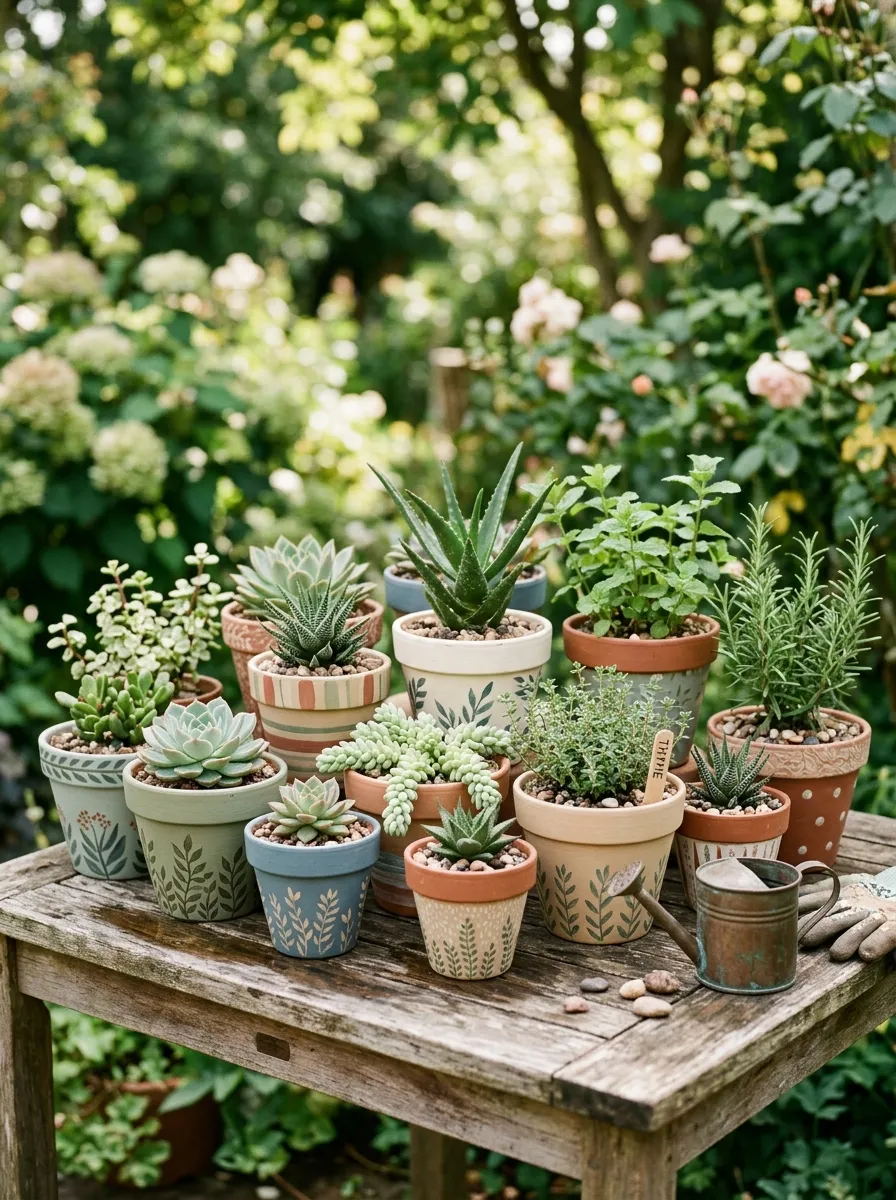
Plain terracotta pots are inexpensive, but a bit of paint turns them into something personal. Use outdoor acrylic paint in colors that match your patio furniture or garden flowers. Simple geometric patterns, stripes, or dots are easy for beginners and still look polished. Let each pot dry fully before adding soil so the color does not chip. Group three or four painted pots together at different heights using upside down crates or bricks as risers. This creates a small display without buying a plant stand. If you want a weathered look, dab on a light coat of white paint and wipe it off before it dries completely. Kids can help with this project too, making it a fun weekend activity as well as a decor upgrade. Painted pots also make thoughtful gifts for neighbors or friends who garden. A five dollar can of paint can transform a dozen plain pots into a matching set that looks intentional and cared for.
5.Vertical Pallet Garden
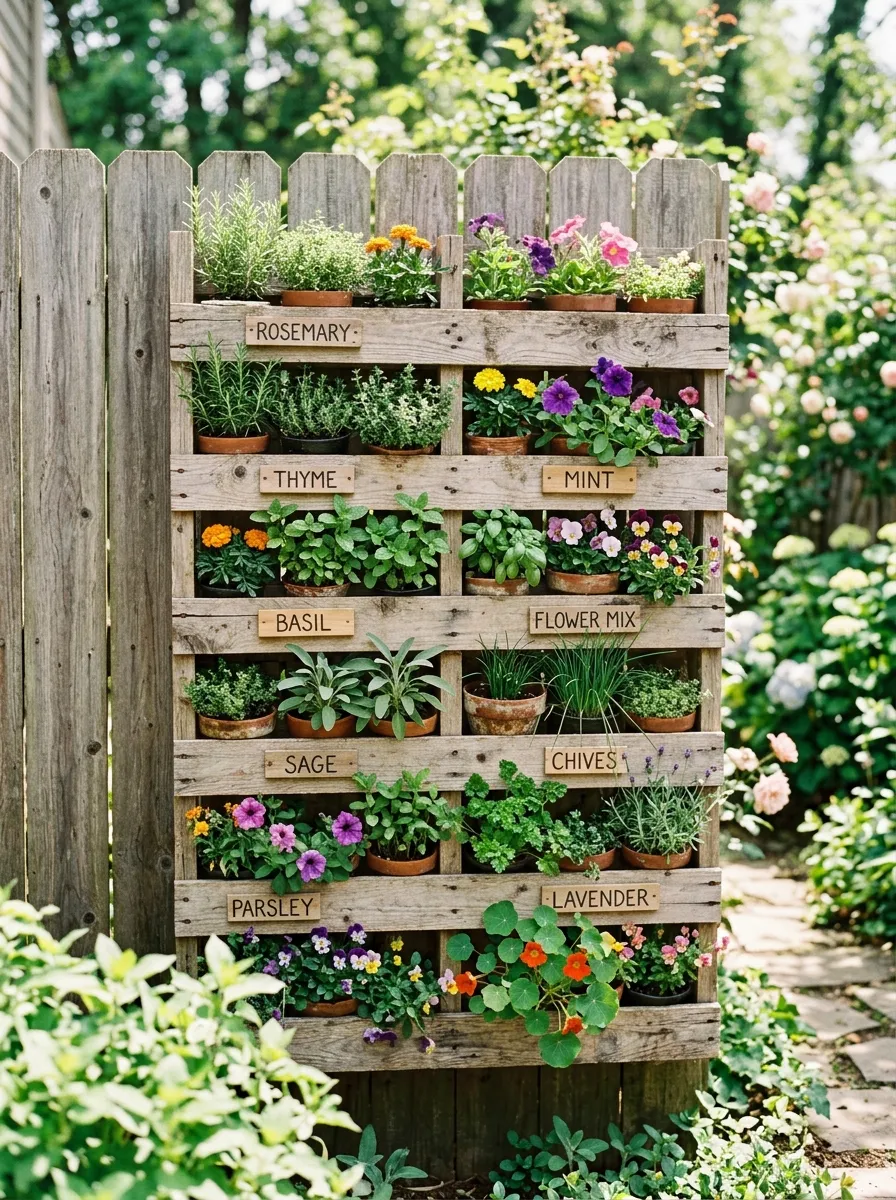
A wooden pallet, often free from hardware stores or moving companies, can become a full vertical garden. Line the back and bottom with landscape fabric to hold soil in place, then stand it upright against a wall or fence. Fill the gaps with herbs, lettuce, or small flowering plants. This setup works well for people with limited ground space since it grows upward instead of outward. Sand down any rough edges first so splinters are not a problem later. A light coat of outdoor sealant will help the wood last through rain and sun. Herbs like mint, thyme, and basil do especially well in this format because their roots stay shallow. Water it gently with a spray bottle so soil does not wash out between the slats. Within a few weeks, the pallet fills in and looks more like a living wall than a piece of scrap wood.
6.Gravel Seating Nook
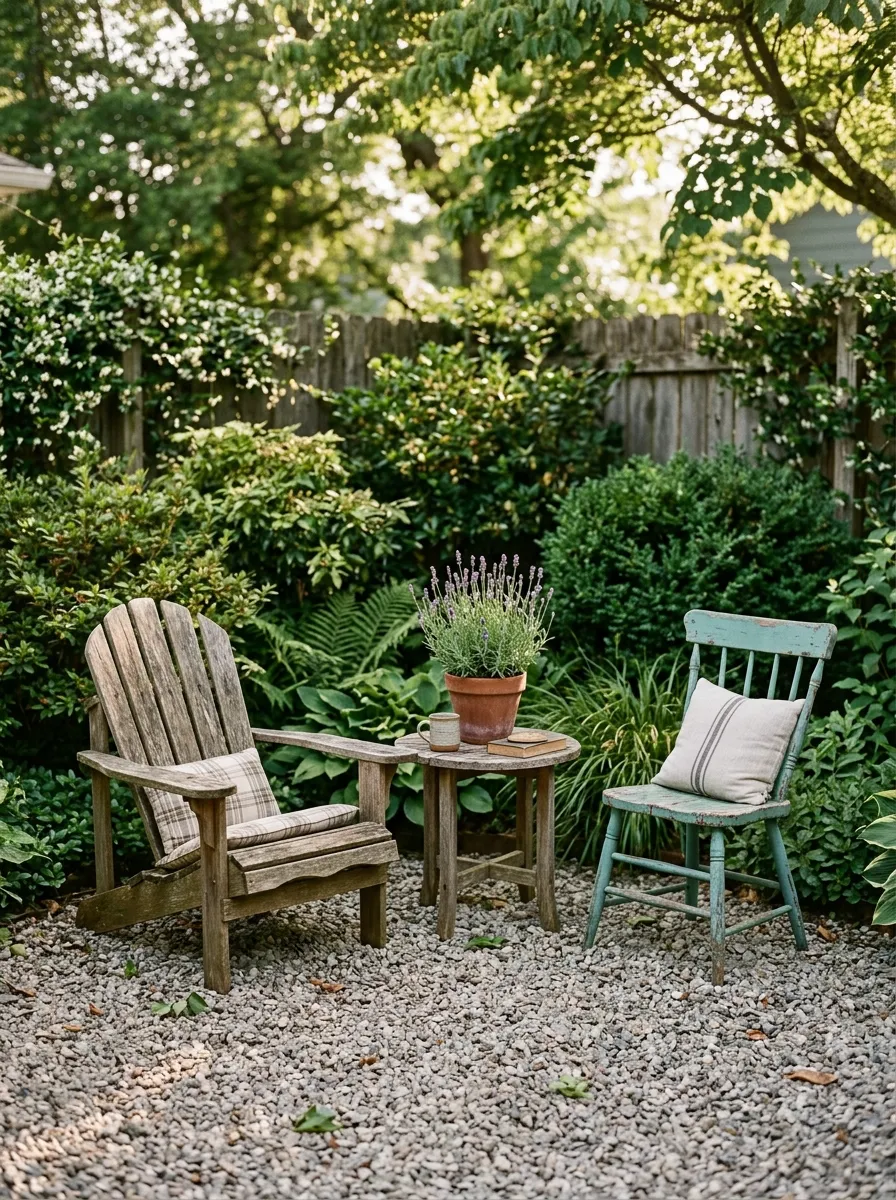
A patch of gravel and a couple of chairs can create a cozy sitting area without the cost of a full patio. Choose a quiet corner of the yard and lay down a weed barrier before spreading the gravel evenly. Pea gravel is a budget friendly option that also drains well after rain. Add two simple chairs, a small table, and a rug rated for outdoor use to soften the space. String lights or a lantern overhead complete the mood for evening use. This kind of nook works well tucked beside a fence or under a small tree for natural shade. It is a practical alternative to poured concrete since gravel requires no heavy equipment or long drying time. Over a single afternoon, an unused patch of yard can become a spot for morning coffee or evening conversation. Keep furniture simple so the gravel and greenery around it stay the focus.
7.DIY Mosaic Stepping Stones
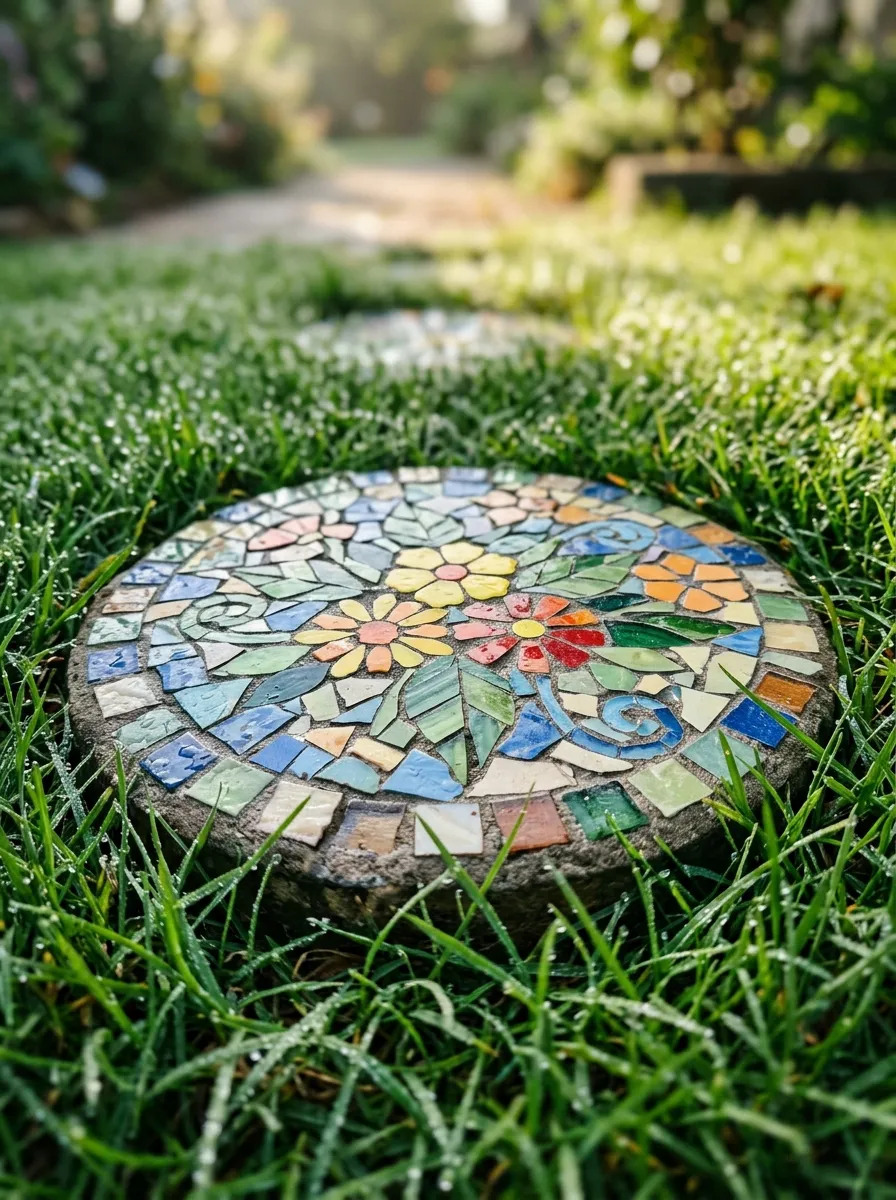
Broken tiles, old plates, or leftover pebbles can be pressed into concrete to make one of a kind stepping stones. Pour quick set concrete into a round mold, then press your chosen pieces into the surface while it is still wet. Let it cure for at least 24 hours before placing it in the garden. Arrange several stones in a curved line to guide visitors through a flower bed or toward a seating area. This project costs very little since most of the decorative material can come from broken dishware already headed for the trash. Each stone turns out different, giving the path a handmade, personal character. Kids often enjoy helping press in the tiles, making this a good family project on a weekend afternoon. Space the stones about a stride length apart so the path feels natural to walk. Over time, moss may grow around the edges, which only adds to the charm.
8.Wine Bottle Border Edging
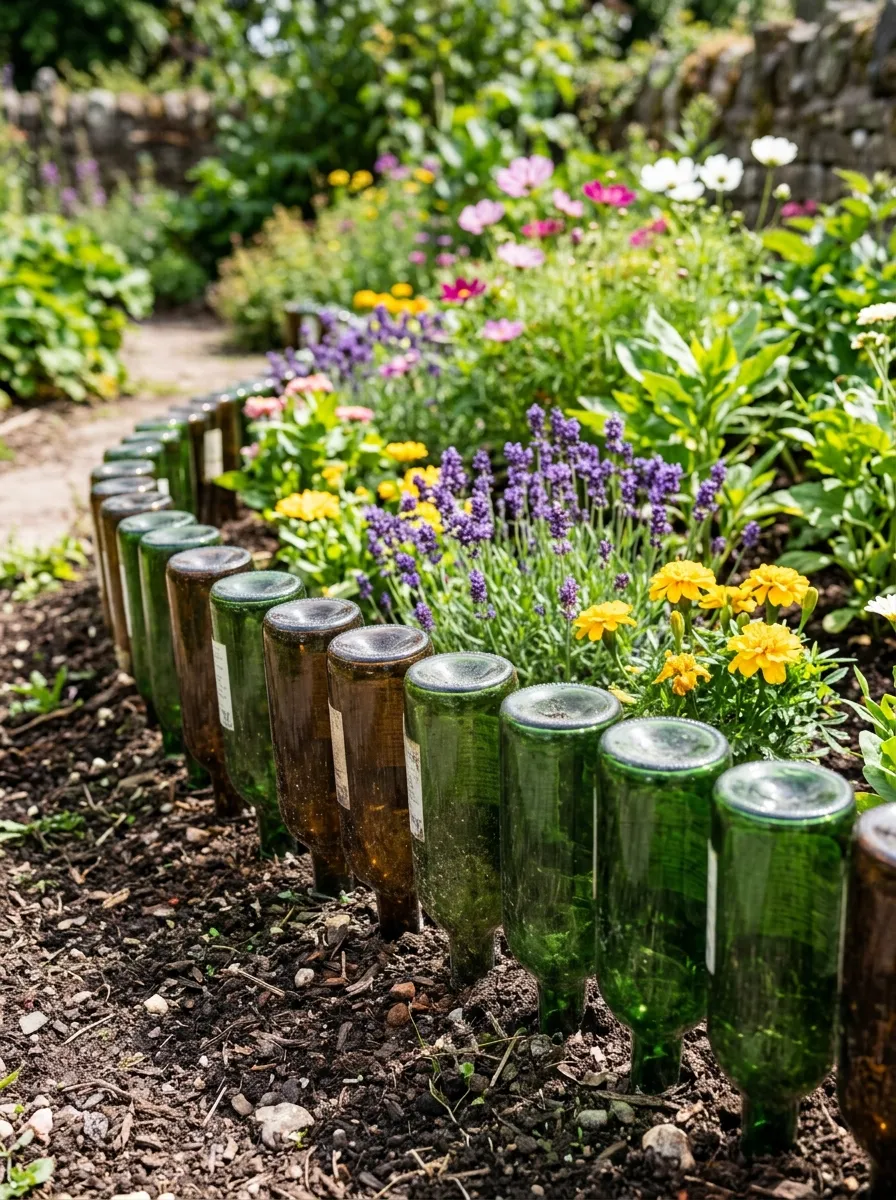
Empty wine bottles pushed neck first into the soil create a colorful, curved border around flower beds or walkways. Rinse the bottles well and remove labels before placing them upside down in a shallow trench, spacing them a few inches apart. Mixing bottle colors, green, brown, and clear, adds visual interest without needing paint. This border works especially well around raised beds where it also helps define the edge and keep mulch contained. It is a nearly free project if you already collect bottles at home, or you can ask a local restaurant for empties. Push the bottles in firmly so they do not tip over during watering or heavy rain. For a nighttime effect, drop a small solar light into a few of the bottles so they glow faintly after dark. This is one of those ideas that looks more expensive than it actually is, and it gives leftover glass a second life instead of the recycling bin.
9.Hanging Macrame Planters
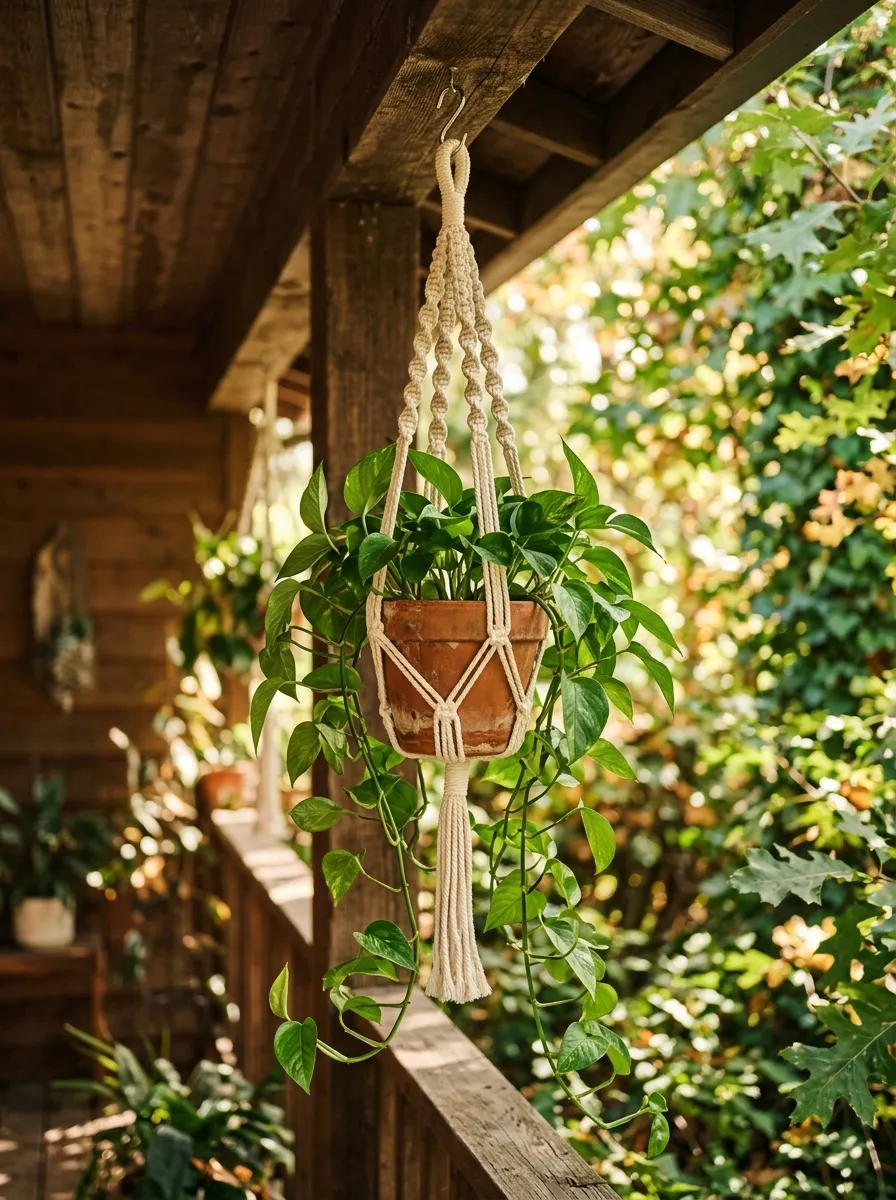
Macrame plant hangers add texture and height to a porch or patio without taking up any floor space. Beginners can find simple knot patterns online that only require basic cotton cord and about thirty minutes of practice. Hang the finished piece from a porch beam, hook, or shepherd’s hook planted in the ground. Trailing plants like pothos, ivy, or string of pearls work best since their vines drape naturally through the knots. If macrame feels like too much of a project, plain jute rope tied in a simple cradle knot gives a similar look with less effort. Group two or three hangers at different lengths for a layered display near a doorway. This idea is especially useful for small balconies where ground space is limited. A finished hanger and pot combination often costs less than ten dollars in materials, far cheaper than a store bought plant stand, while adding a soft, handmade touch to the space.
10.Old Tire Flower Planters
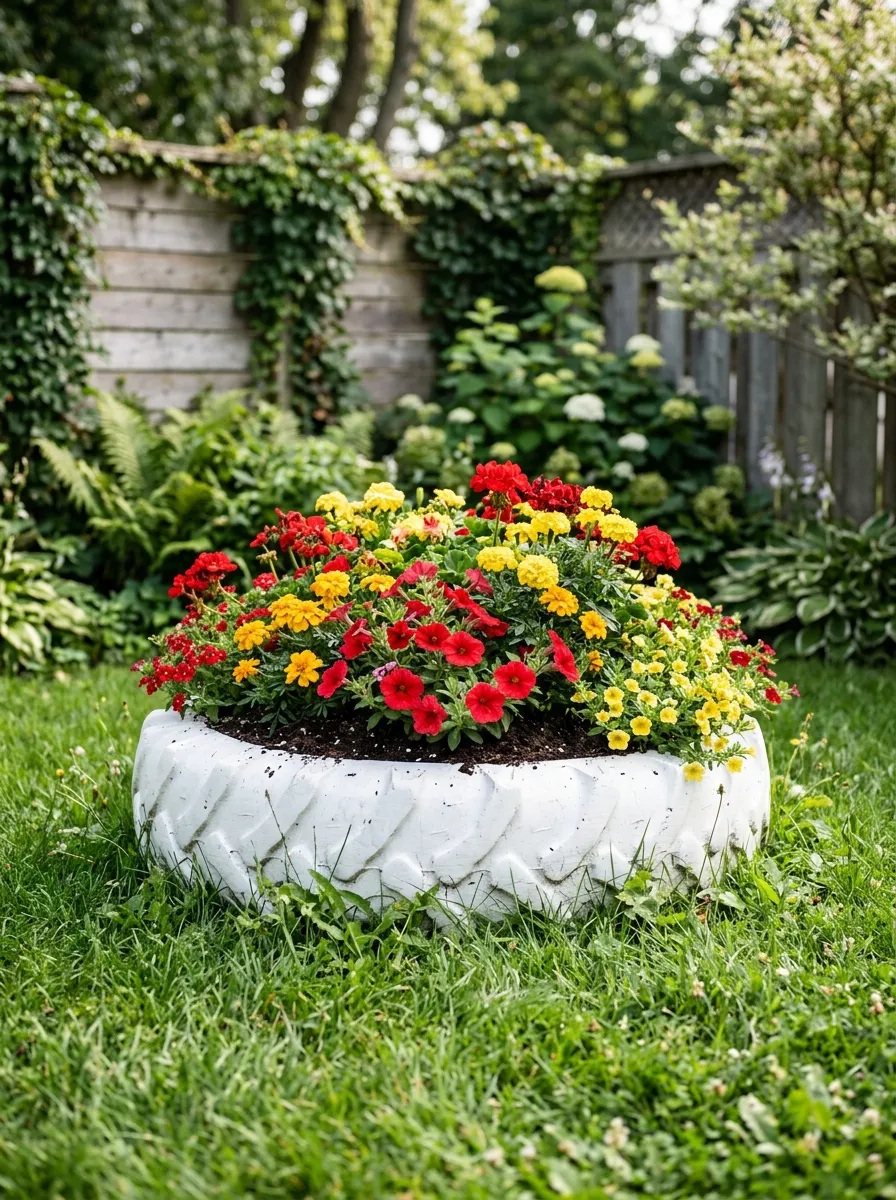
An old car tire, painted and filled with soil, becomes a sturdy and eye catching flower planter. Clean the tire thoroughly and let it dry before applying a few coats of outdoor paint in a bold color. Cutting the top edge into a scalloped pattern gives it a more decorative shape, though a plain circle works fine too. Fill the center with soil and plant flowers that spill slightly over the rim for a fuller look. Tires drain well and hold up against weather far better than plastic pots, making them a practical long term choice. Many tire shops give away old tires for free since they would otherwise be discarded. Stack two tires for a raised planter if you want extra height for vegetables or taller flowers. This is a genuinely low cost project that also keeps rubber out of a landfill, turning something usually thrown away into a bright garden feature.
11.Wooden Crate Herb Shelf
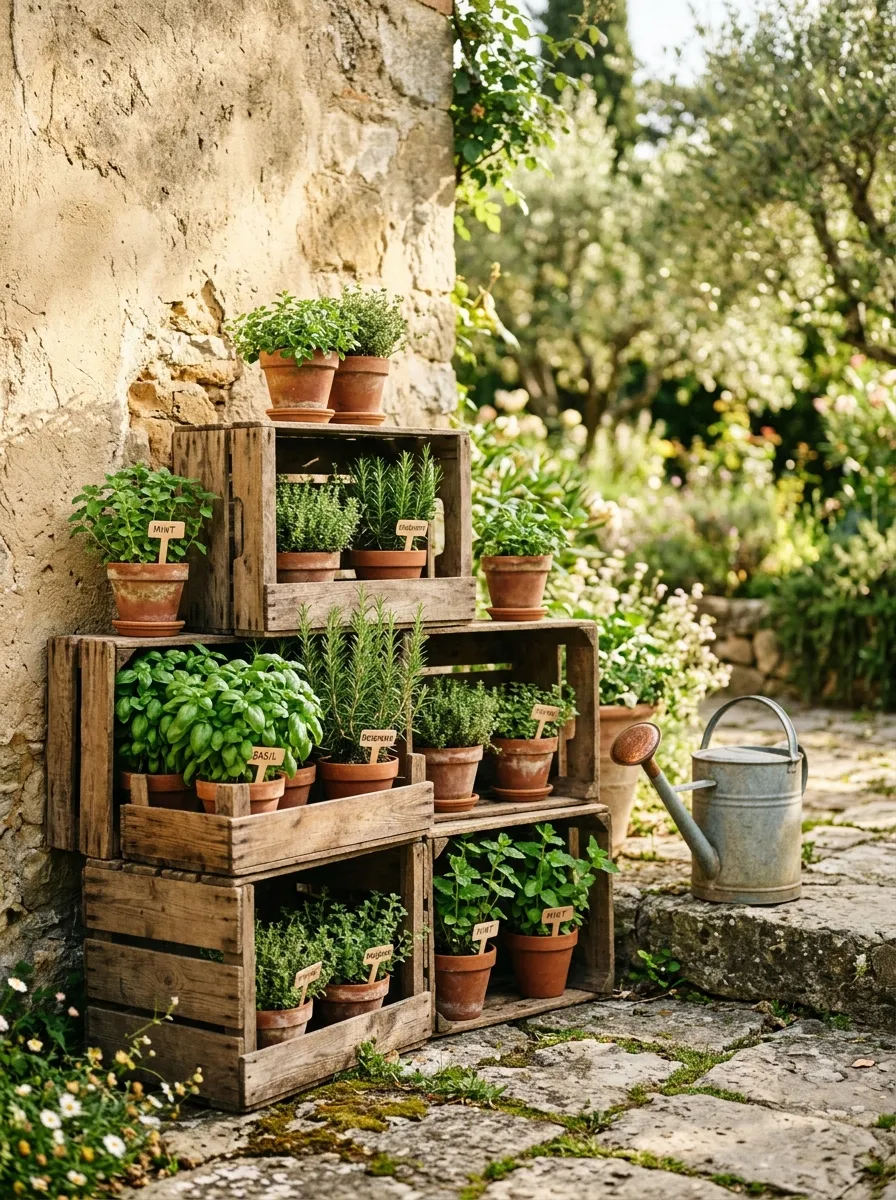
Stacked wooden crates make a simple shelf for growing herbs close to the kitchen door. Old produce crates from a grocery store or farmers market often work well and can sometimes be picked up for free. Stack them in a staggered pattern against a sunny wall so each crate gets its share of light. Line the inside with a plastic liner if you plan to add soil directly instead of using pots. This setup keeps herbs like basil, mint, and parsley within easy reach for cooking. A light sanding and a coat of clear sealant will help the wood withstand outdoor moisture. Because the crates are modular, you can rearrange them anytime the garden layout changes. This idea works particularly well on small patios where ground space for a full herb bed is not available. Within a season, the crates fill in nicely, giving the wall a green, lived in feel while keeping fresh herbs a few steps from the stove.
12.Wind Chime Corner
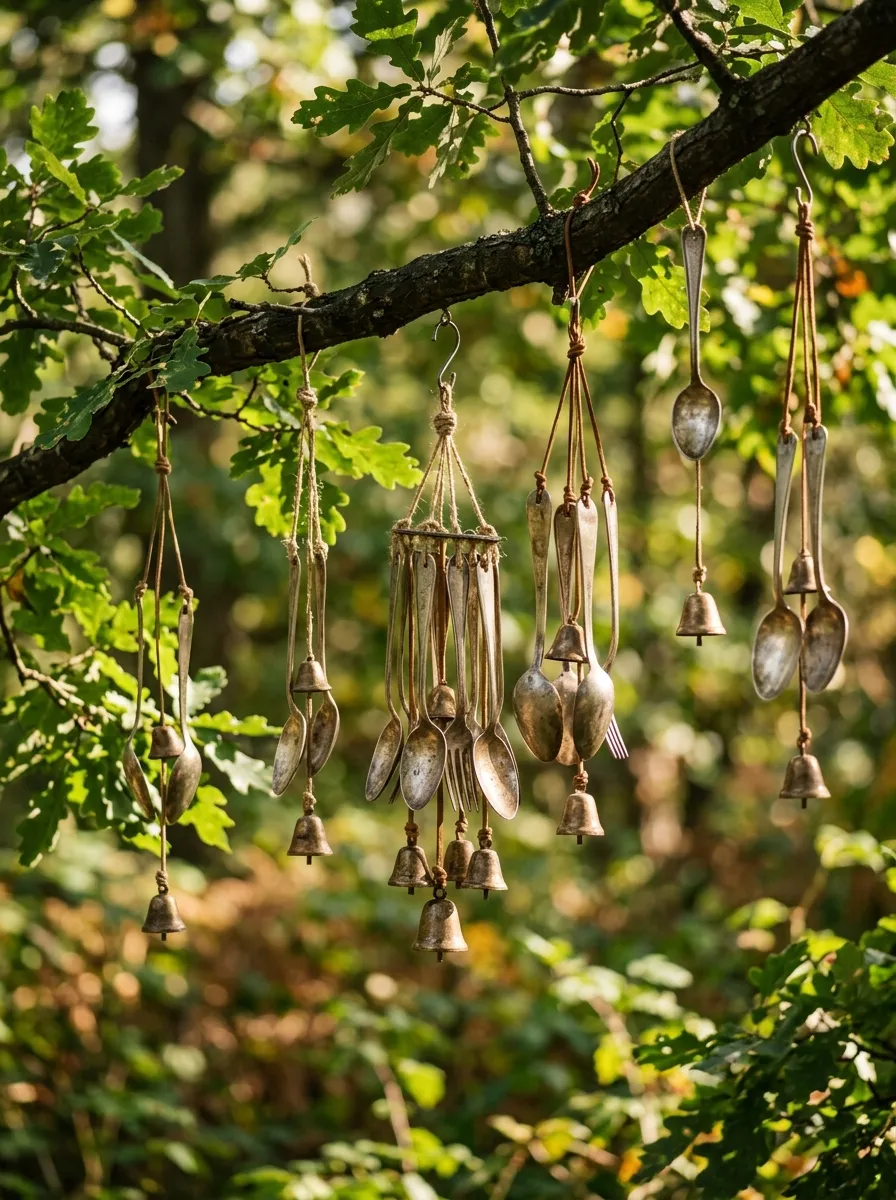
A quiet corner of the yard becomes more inviting with the soft sound of wind chimes. Old spoons, keys, or shells can be strung together with fishing line to make a chime at almost no cost. Hang the finished piece from a tree branch, porch eave, or a simple metal hook. Mixing materials, metal and glass together, gives a fuller range of sound as the pieces move in the breeze. This project is especially good for using up small metal odds and ends that would otherwise sit in a drawer. Place the chime somewhere it catches a natural breeze, like near a fence gap or open porch corner, rather than a fully sheltered spot. Several small chimes grouped together at different heights create a layered sound rather than one flat tone. Beyond the visual charm, the sound itself adds a calm, ambient quality to the garden that a purely visual decoration cannot offer.
13.Birdhouse Display Wall
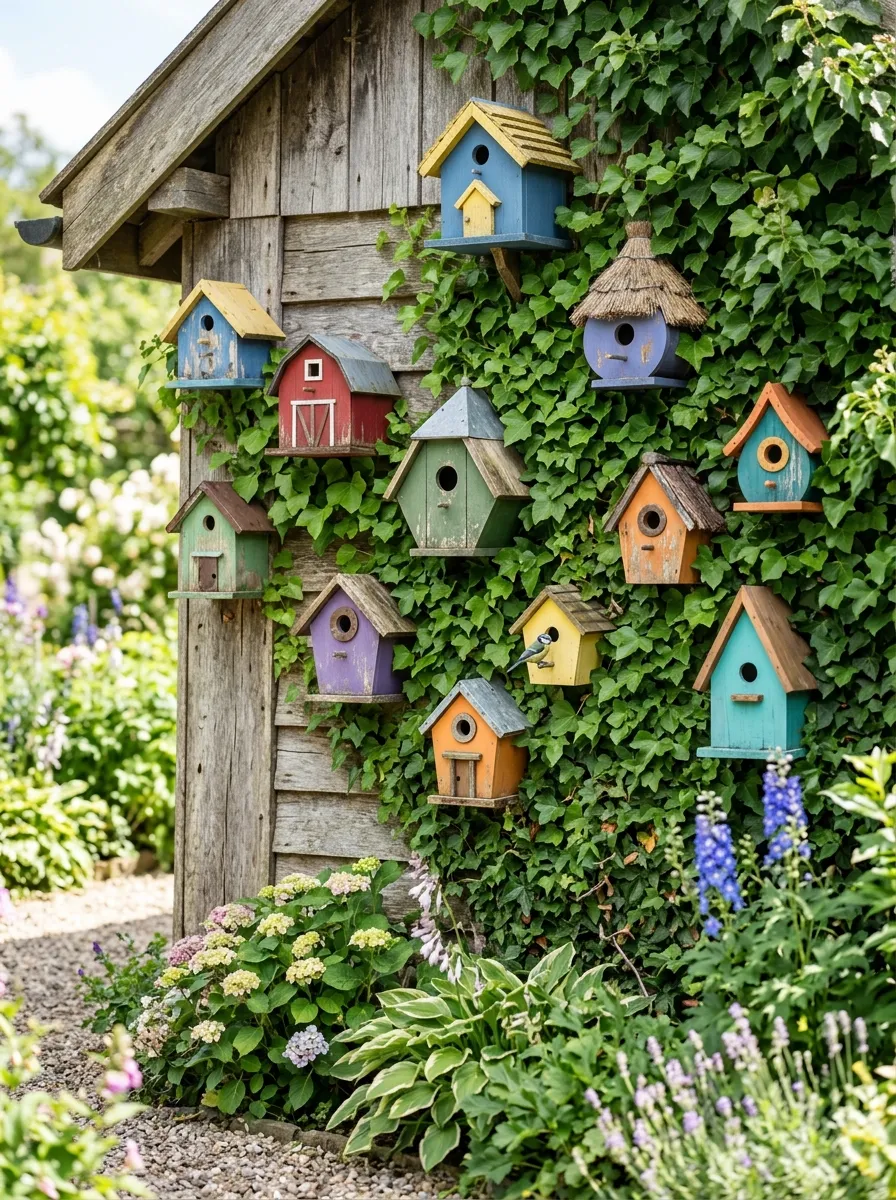
A cluster of small birdhouses mounted on a fence or wall adds color and personality while also giving local birds a place to nest. Unfinished wooden birdhouses are inexpensive at most craft stores and can be painted in any pattern you like. Mount them at slightly different heights rather than in a straight line for a more natural, playful arrangement. Leave the entry holes unpainted since birds tend to avoid houses with strong paint smell near the opening. This project works well as a weekend activity for kids, combining a bit of painting with a lesson in local wildlife. Even if birds never move in, the houses still function purely as wall art. Group them near a garden bed so bird visitors help naturally with pest control among the plants. A wall of six or seven small birdhouses costs far less than a single decorative art piece from a home store, and it brings a bit of life and movement into the yard.
14.Driftwood Wall Art
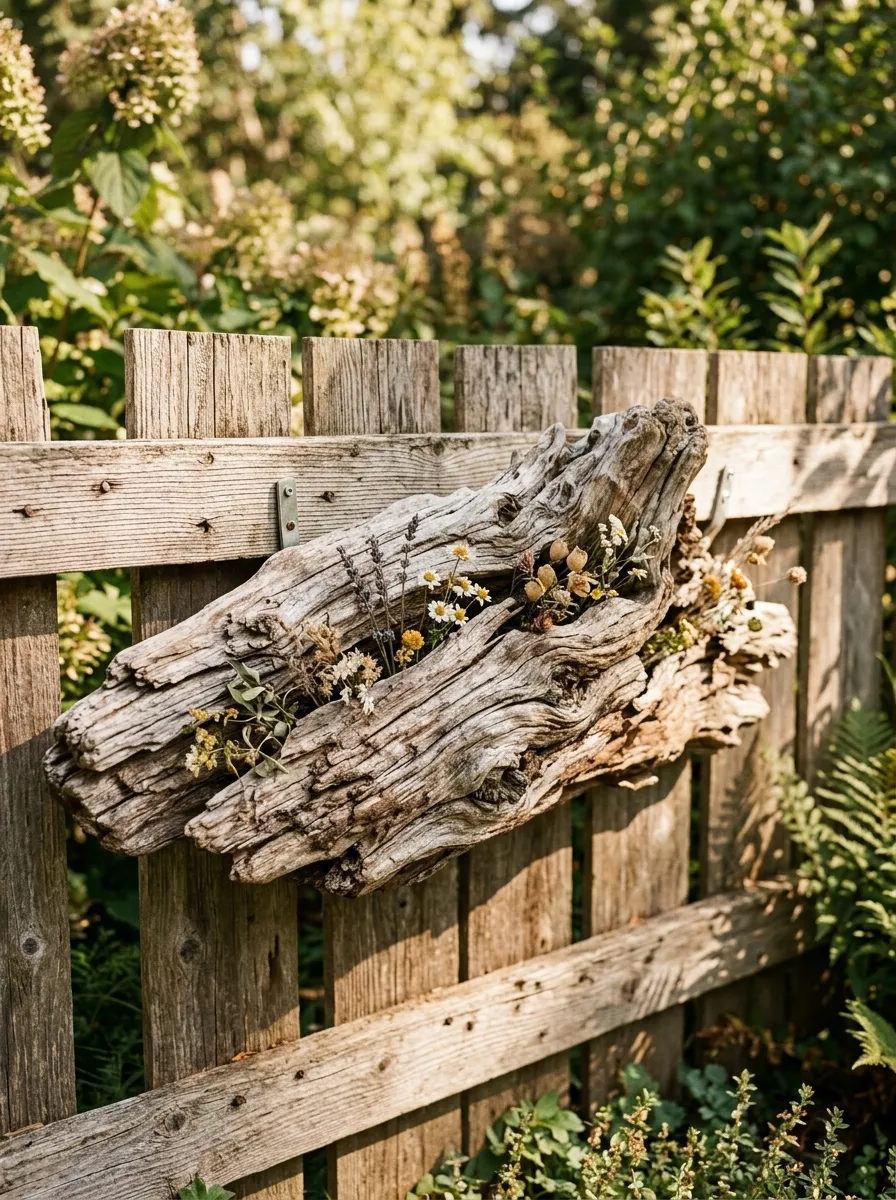
A single striking piece of driftwood mounted on a fence or wall can serve as a natural, sculptural art piece. Beach cleanups or riverbanks are good free sources for driftwood, though garden centers sometimes sell smaller pieces too. Clean the wood and let it dry fully before mounting it with sturdy wire or brackets. Tuck a few dried flowers or small succulents into any natural gaps in the wood for added texture. Because driftwood already has an interesting shape from years of weathering, it needs very little extra styling to look intentional. This idea suits a coastal or rustic garden style particularly well, though it fits almost any outdoor space with a neutral color palette. Hang it at eye level near a seating area so it becomes a natural conversation piece. Unlike painted decor, driftwood ages gracefully outdoors, meaning it only needs occasional cleaning rather than repainting or sealing every season.
15.Solar Lantern Pathway
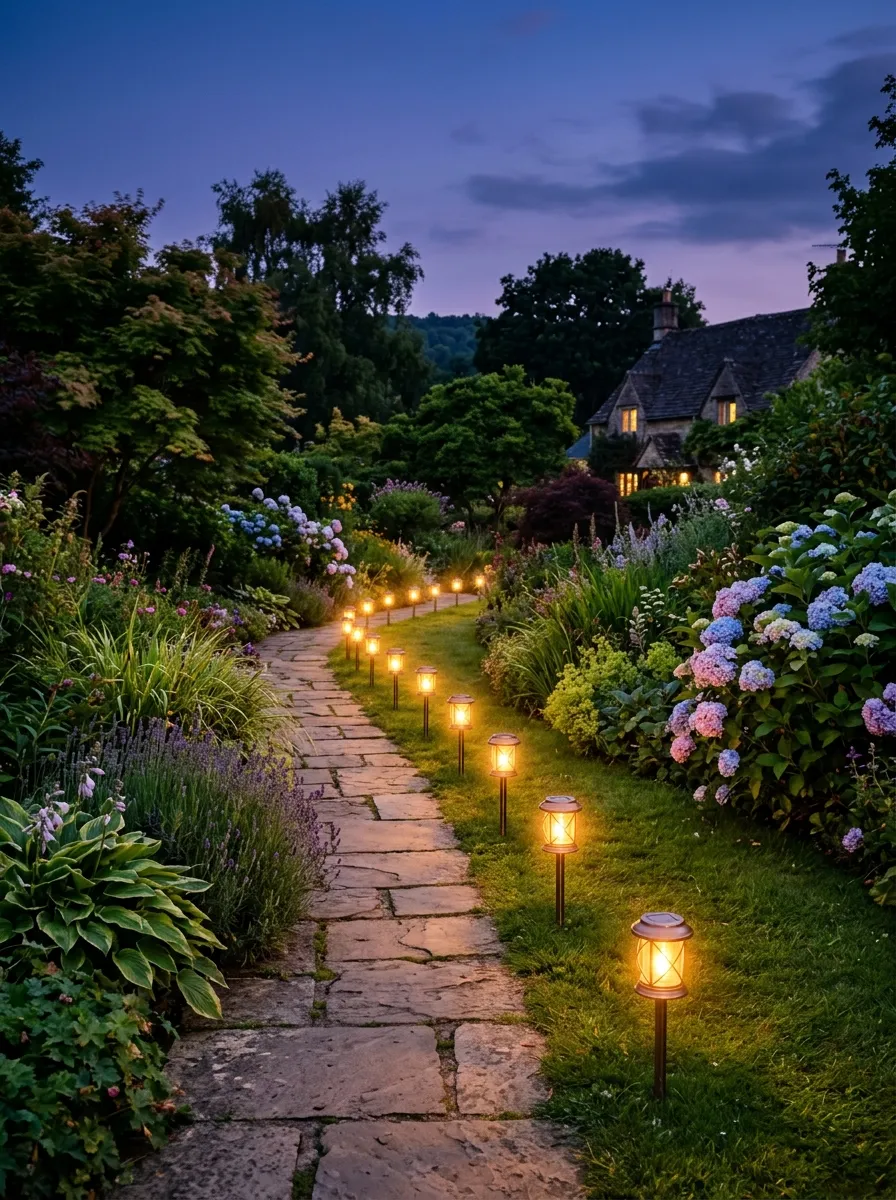
Solar lanterns placed along a walkway light the way after sunset without adding a cent to your electric bill. Push the stakes into soft soil every few feet along the path edge, angling the solar panel toward where the sun hits most during the day. Budget sets of six or eight lanterns are widely available and simple to install without any tools. Wipe the solar panels clean every few weeks so dust does not block their charge. Mixing lantern heights, some low to the ground and a few taller, creates a more layered lighting effect after dark. This is one of the easiest upgrades on this list since it requires no wiring, no outlet, and almost no maintenance. Move the lanterns seasonally to highlight different areas of the garden, like a flower bed in bloom or a new stepping stone path. Come nightfall, the glow guides guests safely while giving the whole yard a warm, inviting feel.
16.Herb Spiral Garden Bed
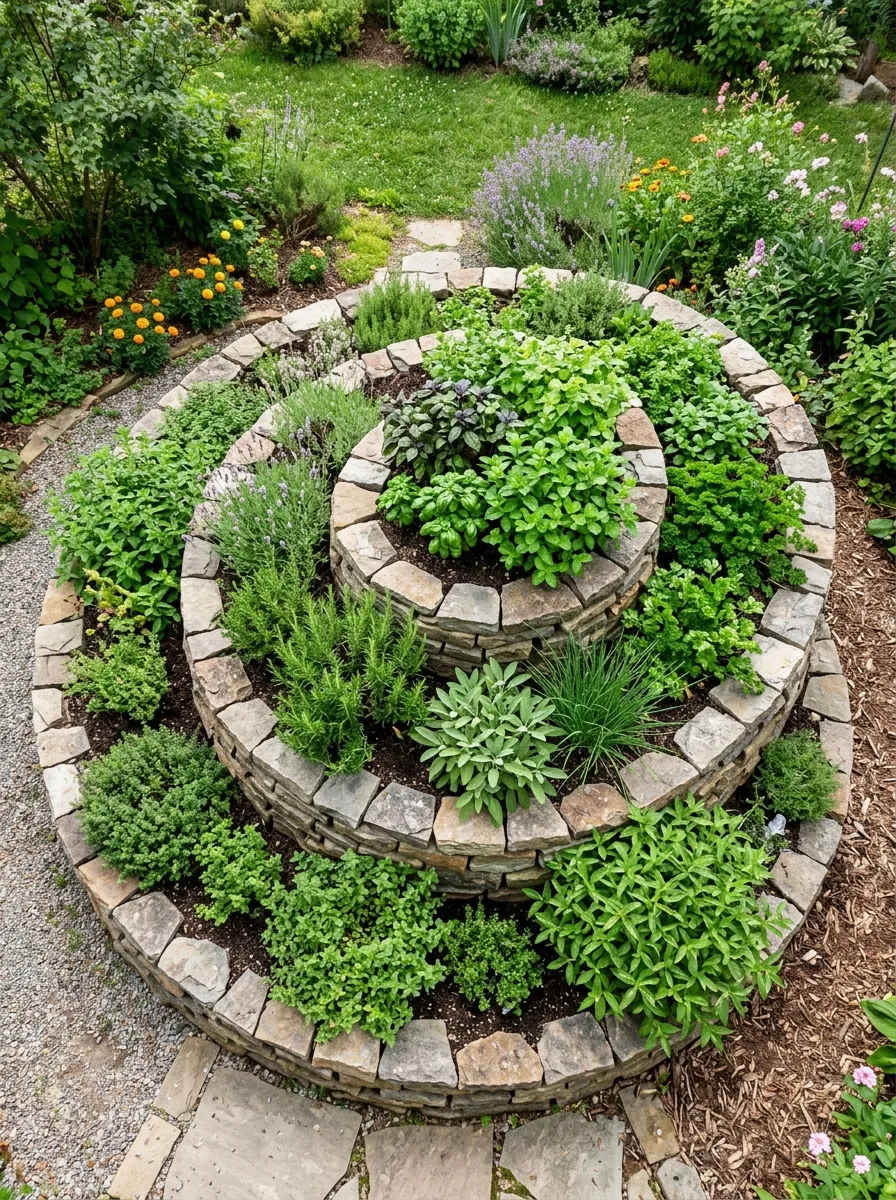
A herb spiral makes efficient use of a small patch of ground while looking like a piece of garden sculpture. Build the spiral by stacking stones, bricks, or even broken concrete pieces into a rising coil shape, filling the inside with soil as you go. The design naturally creates different microclimates, drier and sunnier near the top, cooler and moister near the base, which suits a wider mix of herbs than a flat bed can. Rosemary and thyme do well higher up, while mint and parsley prefer the lower, shadier sections. Materials for this project can often be sourced for free from a neighbor’s leftover landscaping stone or a local demolition site. Building the spiral usually takes a single afternoon, though the herbs need a few weeks to fill in fully. Beyond its practical growing benefits, the spiral shape itself draws the eye and gives an otherwise flat garden bed a bit of dimension and structure.
17.Reclaimed Window Frame Trellis
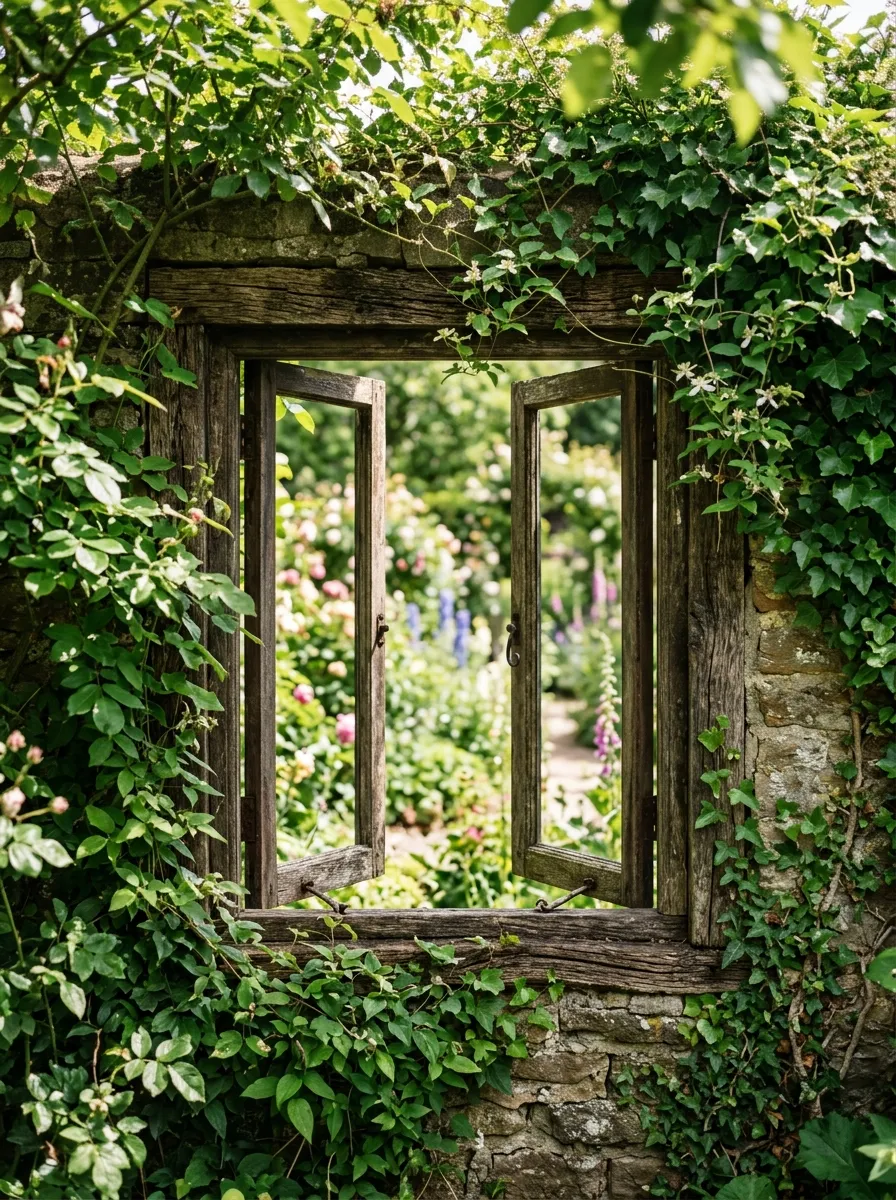
An old window frame with the glass removed makes an unusual and charming trellis for climbing plants. Salvage yards and secondhand shops often sell these frames cheaply since buyers rarely want them for their original purpose anymore. Mount the frame against a fence or wall using sturdy brackets, leaving enough space behind for vines to wind through the empty panes. Sweet peas, morning glories, or small climbing roses all work well and quickly fill in the frame’s grid pattern. A light sanding and coat of paint in a color that contrasts with the foliage helps the frame stand out even before the plants take over. This project gives new purpose to something that would otherwise be discarded, while adding a slightly whimsical, storybook quality to the garden. Once the vines mature, the frame appears to hold a living, ever changing picture instead of glass, changing in color and fullness with each season.
18.Teacup Bird Feeders
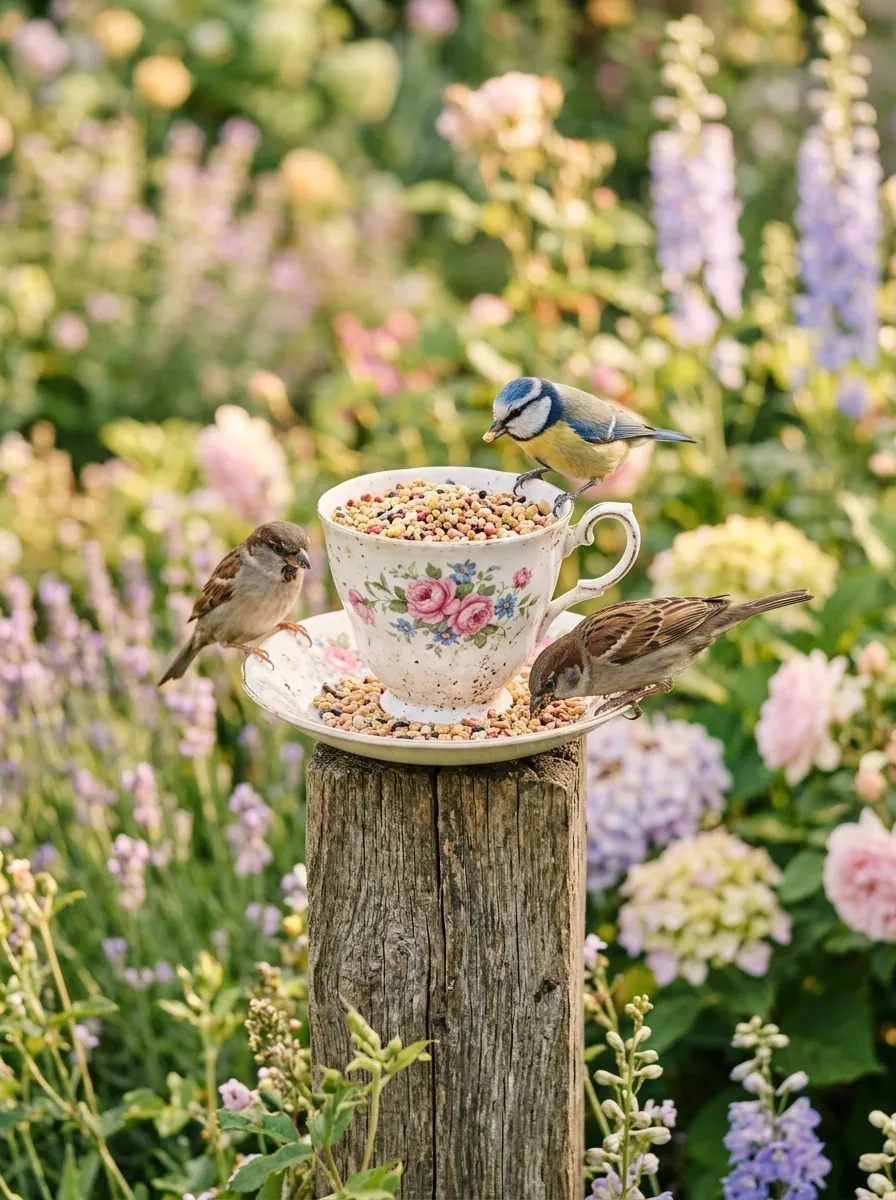
Mismatched teacups from a thrift store find new purpose as small bird feeders scattered through the garden. Glue the teacup to its saucer, then attach the saucer to a wooden post or fence top using strong outdoor adhesive. Fill the cup with birdseed and refresh it every few days, especially after rain washes it out. Choosing floral or pastel patterned cups adds a soft, vintage feel that pairs nicely with cottage style gardens. This project costs very little since chipped or mismatched teacups are often sold for pocket change at secondhand shops. Place a few feeders at different heights around the yard to attract a wider variety of birds. Beyond feeding local wildlife, the cups themselves double as small sculptural accents even on days when no birds are around. It is a gentle way to combine function and charm, giving old dishware a purpose it never had indoors.
19.Painted Rock Garden Markers
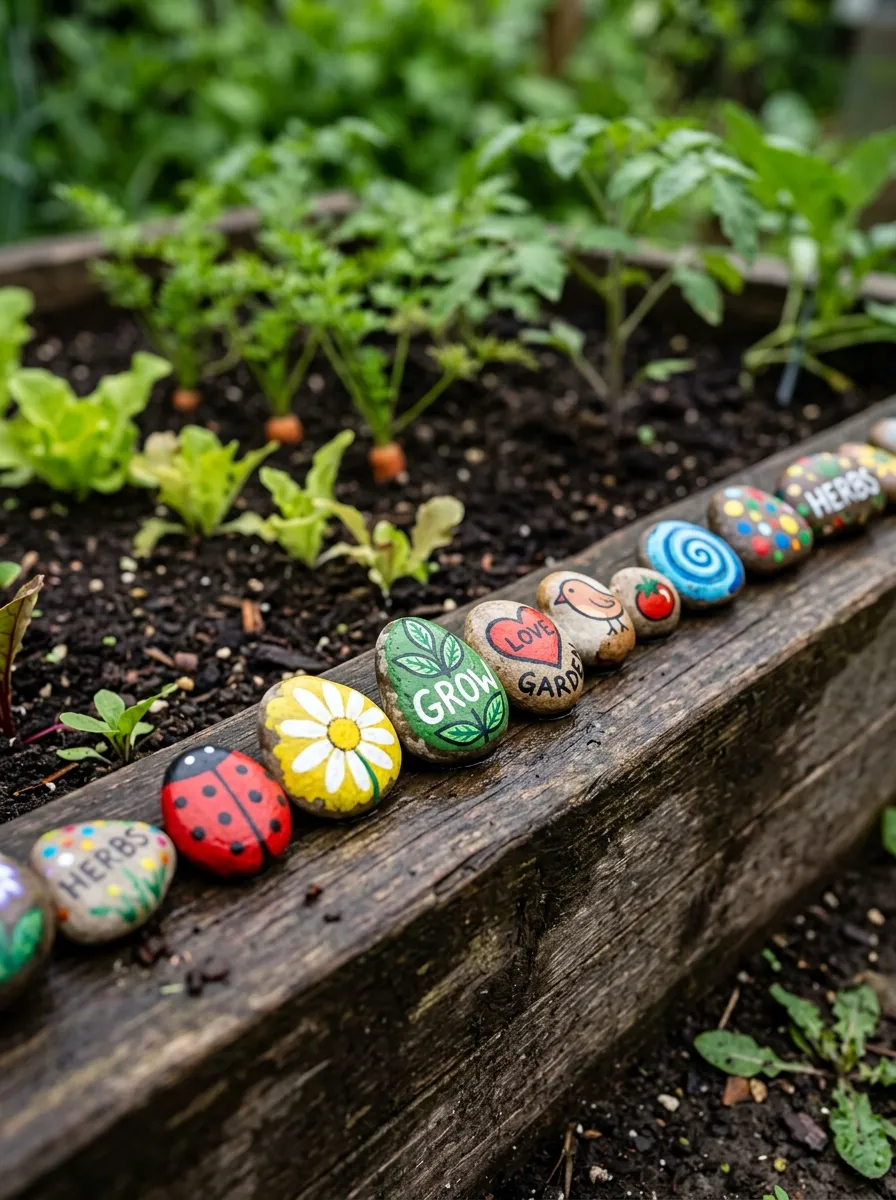
Smooth rocks painted with simple designs make cheerful, practical markers for a vegetable or flower bed. Collect stones from a yard, riverbank, or garden center, then wash and dry them before painting with outdoor acrylics. Label vegetable rows with the plant name, or paint each rock with a small design that matches what is growing nearby. A layer of clear sealant afterward keeps the color from fading in the rain and sun. This project costs almost nothing beyond a small paint set, making it one of the most budget friendly ideas on this list. Kids enjoy this activity as much as adults, and the finished rocks make thoughtful, handmade gifts too. Group several painted rocks together at the corner of a bed to create a bit of visual interest even before plants sprout. Once summer arrives and the garden fills in, the painted stones still peek through, adding color at ground level between the taller greenery.
20.Bicycle Wheel Flower Display
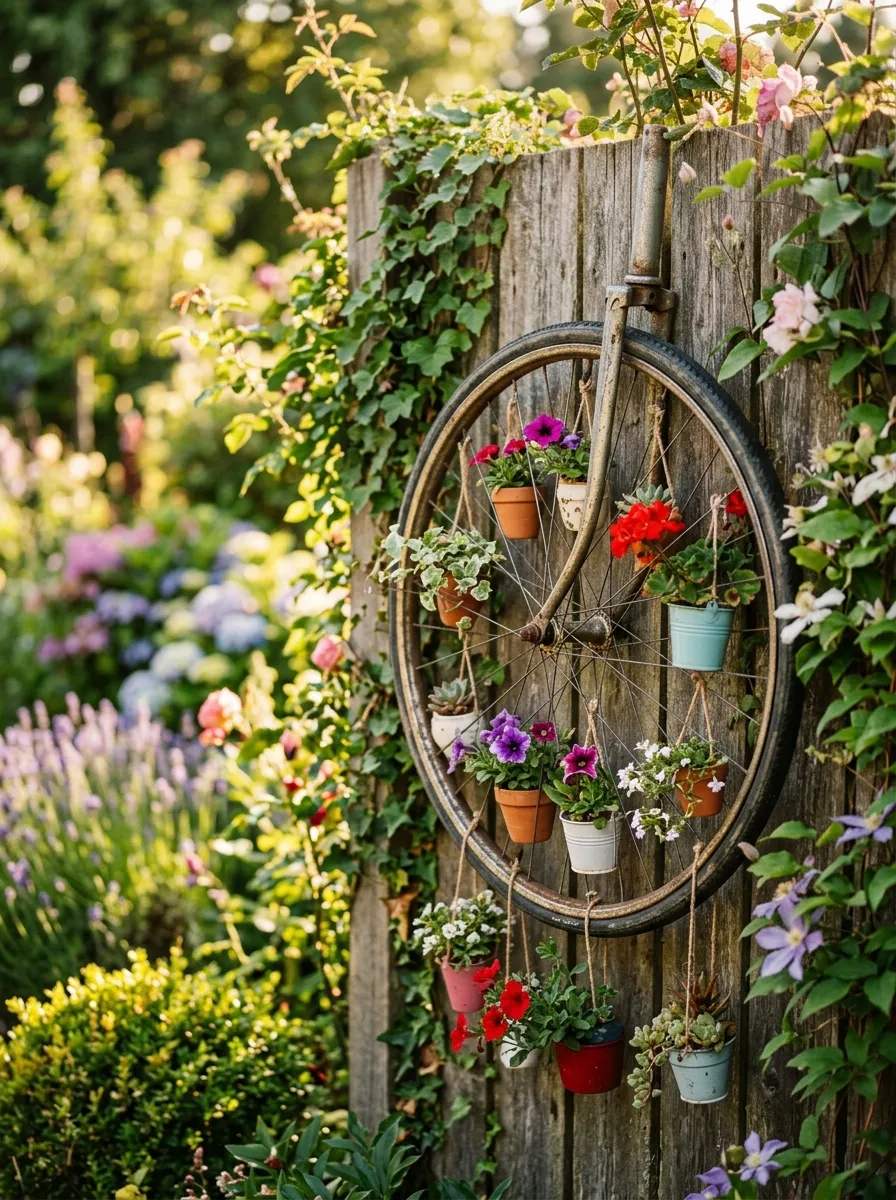
An old bicycle wheel, no longer fit for riding, becomes an interesting circular display when mounted against a fence or wall. Attach small pots to the spokes using wire or clips, filling each with a compact flowering plant like petunias or marigolds. The circular frame naturally draws the eye and works well as a centerpiece above a garden bench or seating area. A local bike shop or thrift store is often a good source for a cheap, secondhand wheel that no longer holds air properly. A coat of spray paint in a bright color updates the metal before mounting. Because the display hangs vertically, it takes up almost no ground space, making it a strong option for small yards or balconies. This idea also works well as a seasonal project, swapping in different flowers through spring and summer for a display that changes throughout the year without needing a new frame each time.
21.Fire Pit Seating Circle
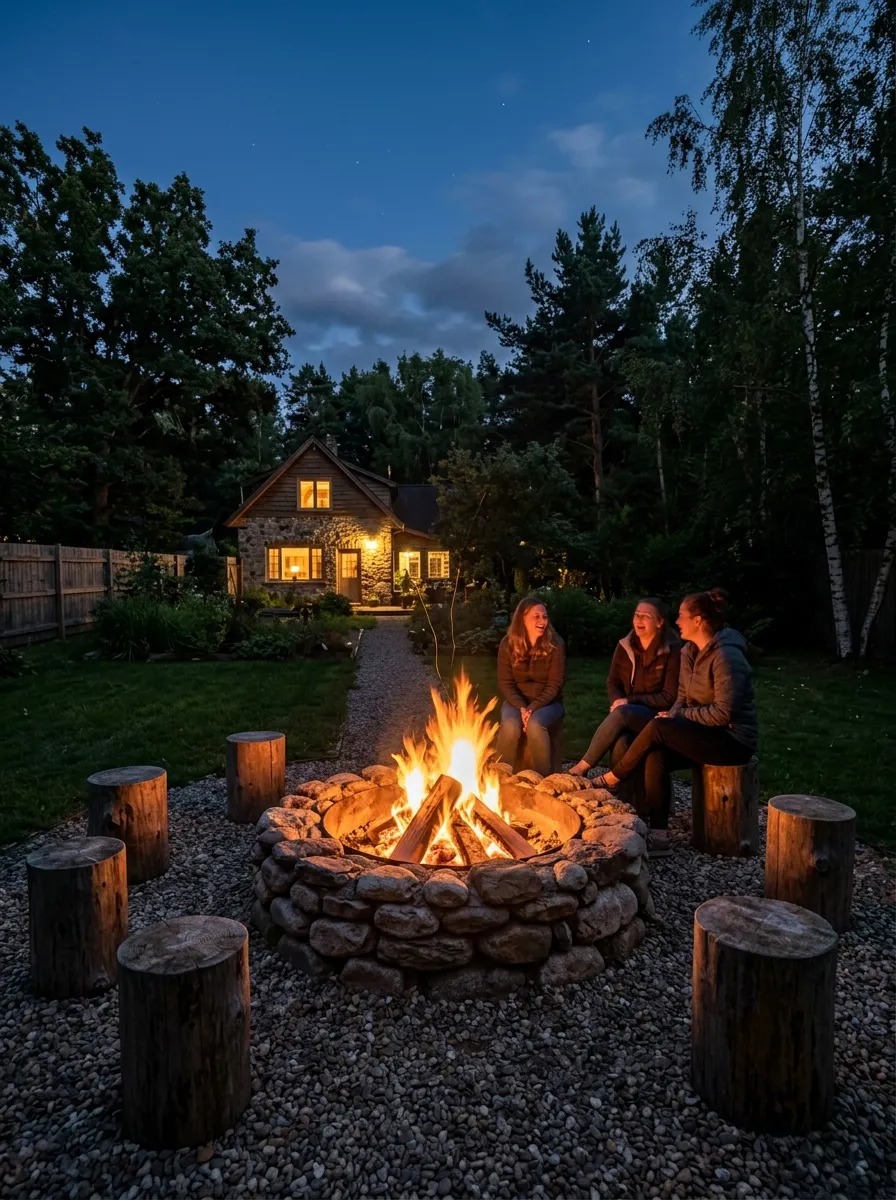
A fire pit surrounded by simple seating turns a backyard into a gathering spot for cool evenings. A ring of stacked stones or concrete blocks forms an affordable base, and many home improvement stores sell fire pit kits at a reasonable price for beginners. Cut sections of a fallen log into short stools for seating instead of buying patio furniture, sanding the tops smooth for comfort. Arrange the seats in a loose circle a few feet back from the pit for safety and easy conversation. Add a small side table nearby for drinks or snacks during evening gatherings. This kind of setup works well in a corner of the yard away from overhanging branches. Beyond the practical warmth it provides, the flicker of firelight naturally draws people together, making it one of the more social additions to any backyard. A blanket or two draped over the log stools adds comfort for cooler nights.
22.Hammock Reading Corner
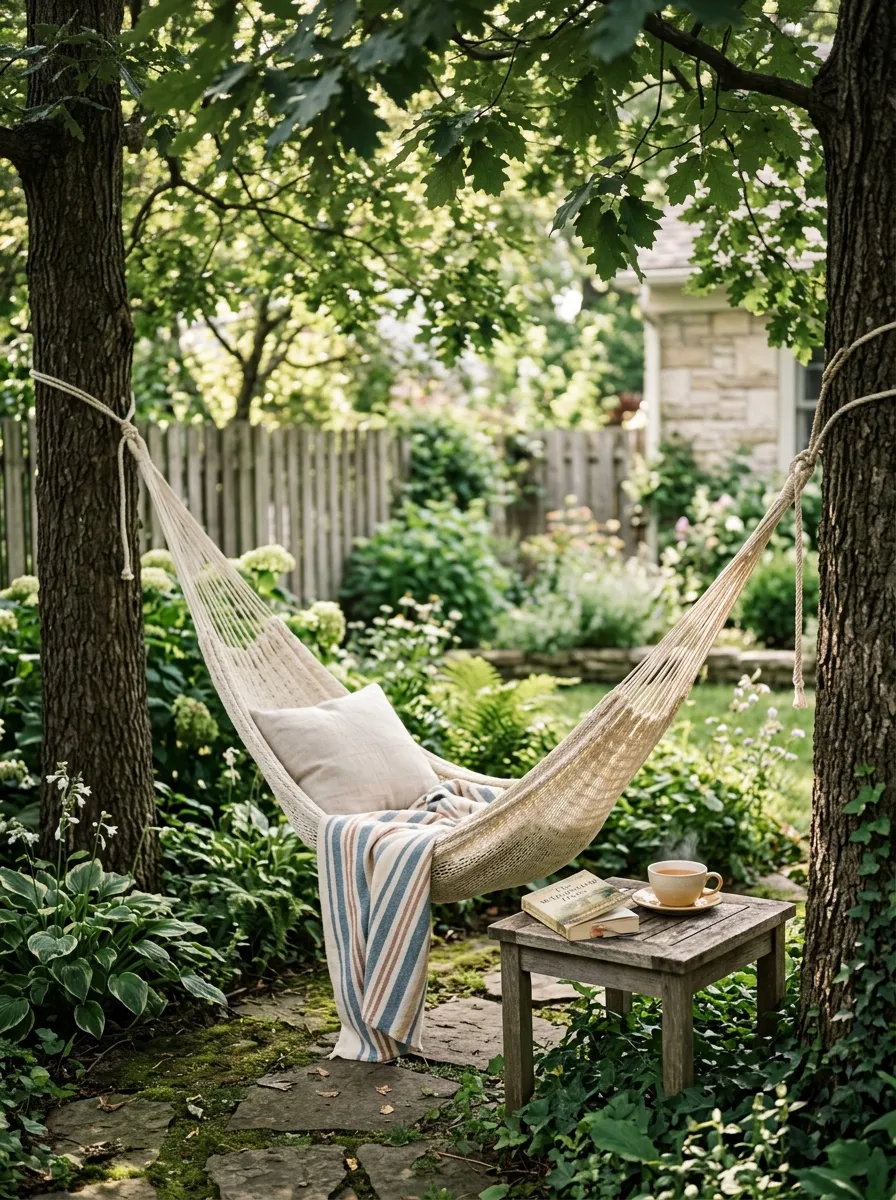
A hammock strung between two sturdy trees creates an instant quiet corner for reading or relaxing outdoors. Choose a shaded spot so the area stays cool through the warmer parts of the day. Budget hammocks made from woven cotton rope are widely available and easy to install with basic hardware. Add a small side table nearby, even something as simple as a wooden crate turned on its side, to hold a book or drink within reach. A soft outdoor rug placed underneath grounds the space and makes it feel more like an intentional room rather than an afterthought. If trees are not available, a freestanding hammock stand works just as well, though it costs a bit more upfront. This corner becomes a favorite spot fairly quickly, especially during warmer months when an indoor room can feel stuffy. Even a small yard can fit this idea if there is at least eight feet of open space between two anchor points.
23.Repainted Fence Panels
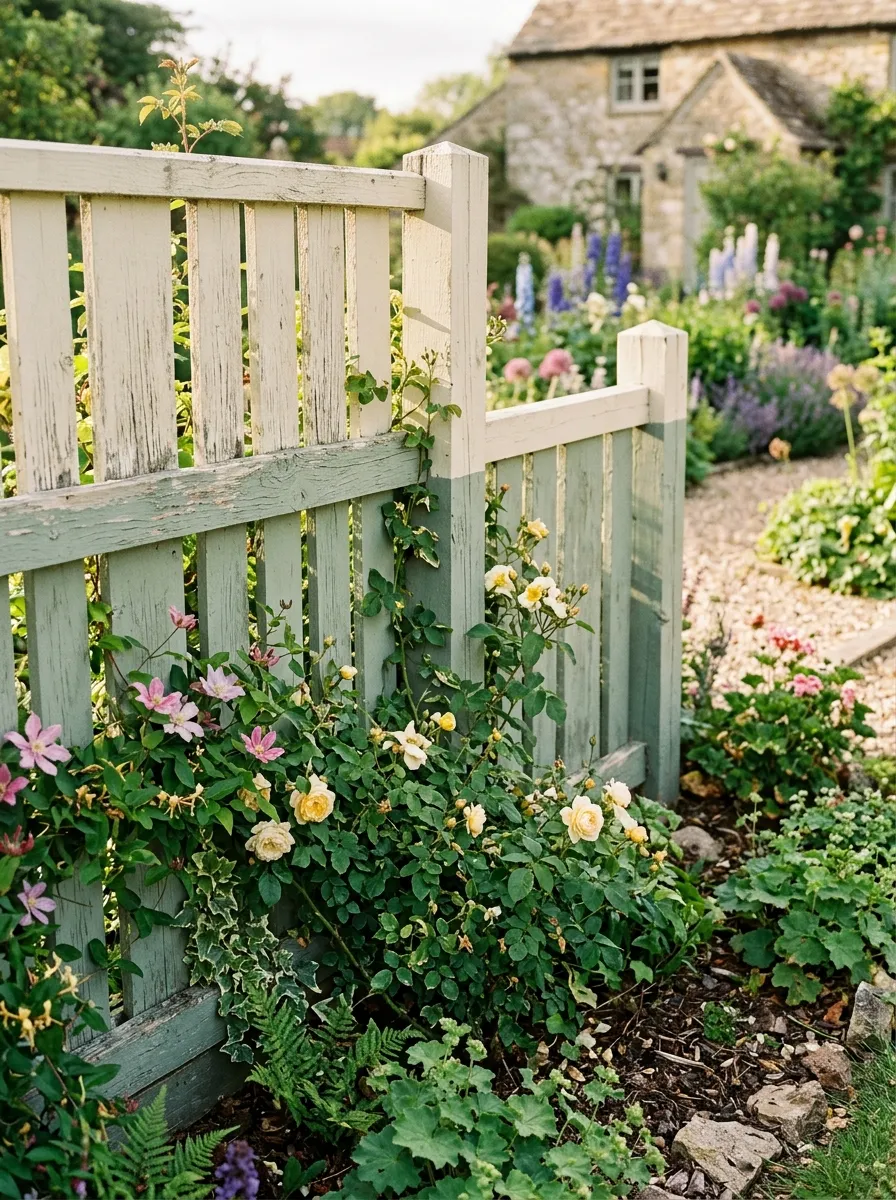
A tired, gray fence can look brand new again with a coat of paint in a color that suits the rest of the garden. Soft sage green, warm terracotta, or simple white all pair well with most plant colors and outdoor furniture. Clean the fence and let it dry fully before painting, since dirt and moisture can cause the paint to peel later. Outdoor grade paint holds up better against sun and rain than standard interior paint, so it is worth the slightly higher cost. Painting just the lower half of the fence a bold color while leaving the top natural wood is a budget friendly way to add interest without covering the whole surface. This project takes a weekend for most yards and dramatically changes how the whole space feels, even before any new plants or furniture are added. A freshly painted fence acts as a clean backdrop that makes flowers, string lights, and furniture stand out more clearly against it.
24.Wheelbarrow Flower Display
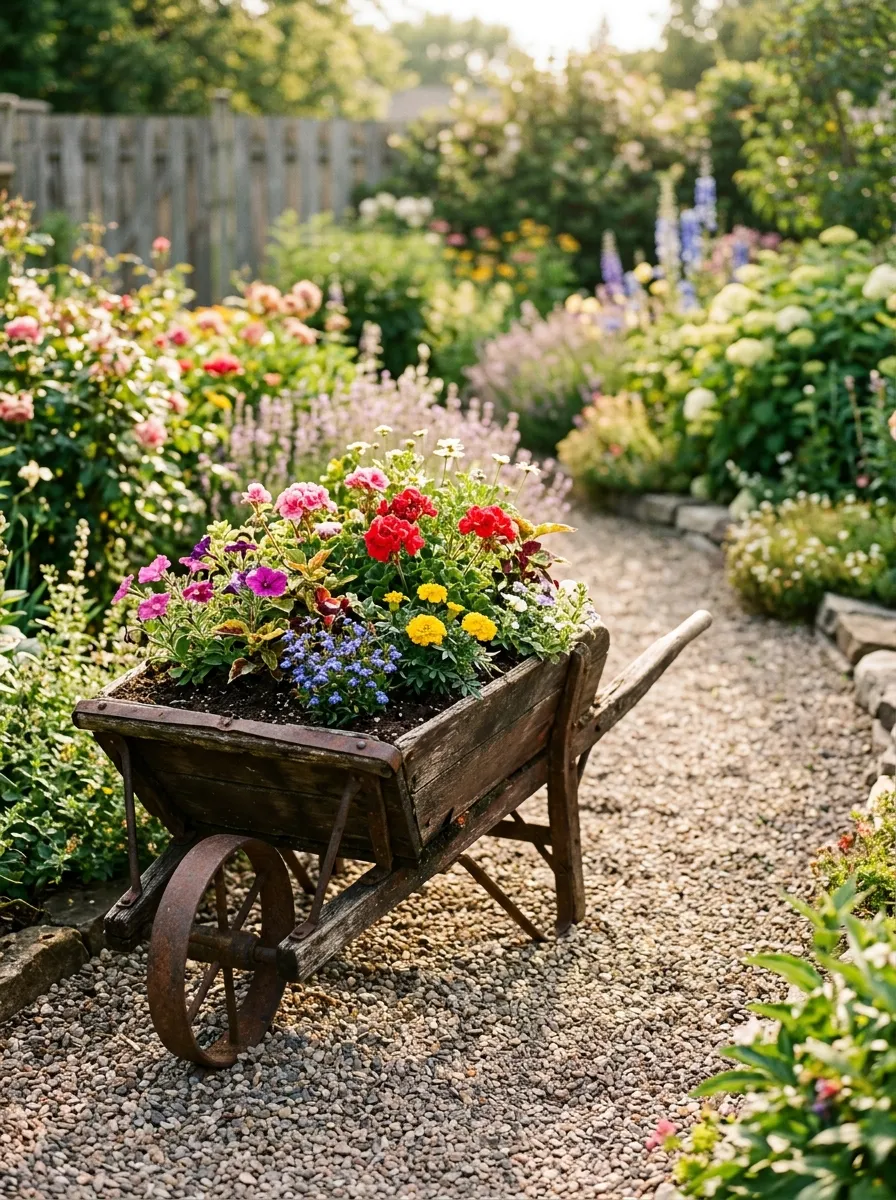
An old wheelbarrow that no longer rolls smoothly makes a charming, ready made planter for a garden entrance or patio corner. Drill a few small drainage holes in the metal base before filling it with soil so water does not pool at the bottom. Choose flowers with varying heights, tall ones toward the back and trailing varieties near the front edge, so the display looks full from every angle. Because the wheelbarrow already sits at an angle, it naturally shows off the plants without needing a stand or riser. Secondhand shops and yard sales are good places to find an old wheelbarrow for a small price, especially one with a bit of rust that adds character rather than detracting from it. Park it near the front entrance for a welcoming first impression, or tuck it beside a garden bench as a colorful accent. This idea reuses something that would otherwise sit unused in a shed, giving it a second life full of color.
Conclusion
A backyard does not need a big renovation to feel special. Small projects like painted pots, a string of solar lanterns, or a repurposed ladder shelf add character without draining a budget. Most of the ideas on this list use materials already sitting in a garage, thrift store, or recycling bin, proving that a beautiful outdoor space is more about creativity than spending. Pick two or three ideas that fit your yard and your weekend, and build from there. Over time, these small additions add up to a garden that feels personal, lived in, and genuinely enjoyable to spend time in.