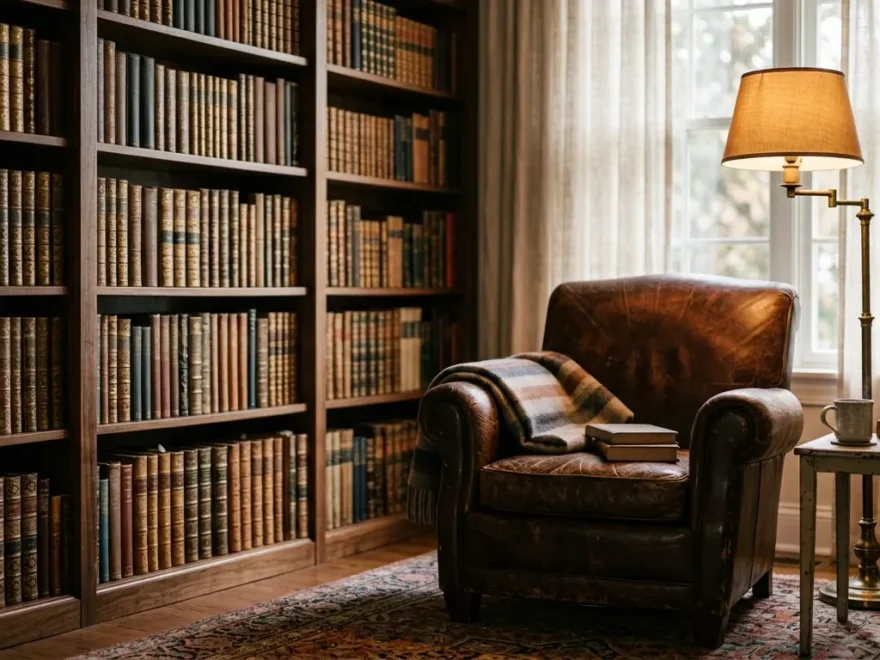
1. Built-In Floor-to-Ceiling Shelving
Tall shelves make a small room feel grand. They pull the eye upward and turn empty wall space into something useful. You do not need custom carpentry to get this look. Stackable bookcases from a secondhand shop work just as well when lined up side by side. Paint them one matching color so they read as a single built-in piece. Leave a little breathing room between stacks of books instead of packing every shelf tight. This gives your eyes a place to rest. Add a small stool nearby so the top shelves stay within reach. If you rent your home, look for freestanding units that mimic the built-in look without any drilling. A coat of matte paint in a deep color like forest green or charcoal can make basic shelving look far more expensive than it was. Keep hardware simple, brass or brushed nickel knobs go a long way. This one change sets the tone for the whole room and gives every other detail something solid to lean on.
2. Warm Wood Tones Over Cold Finishes
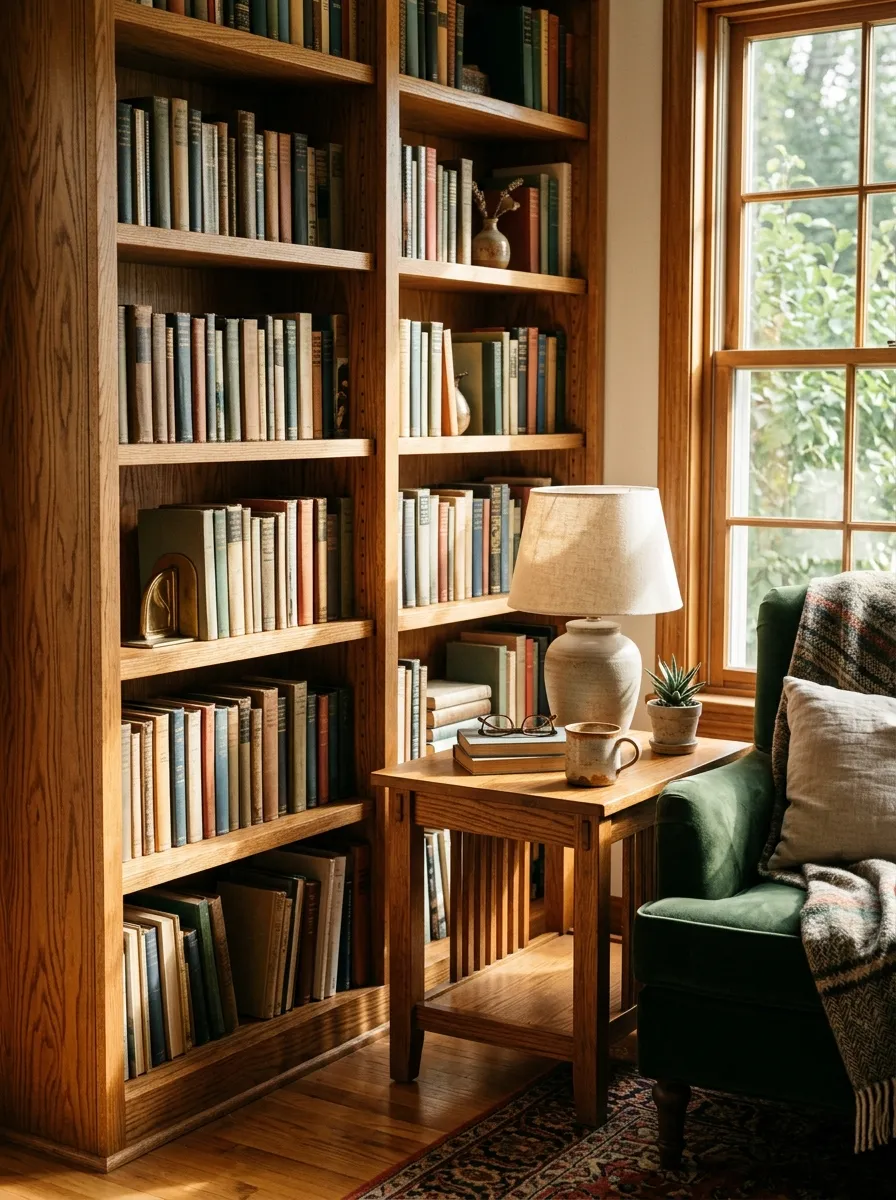
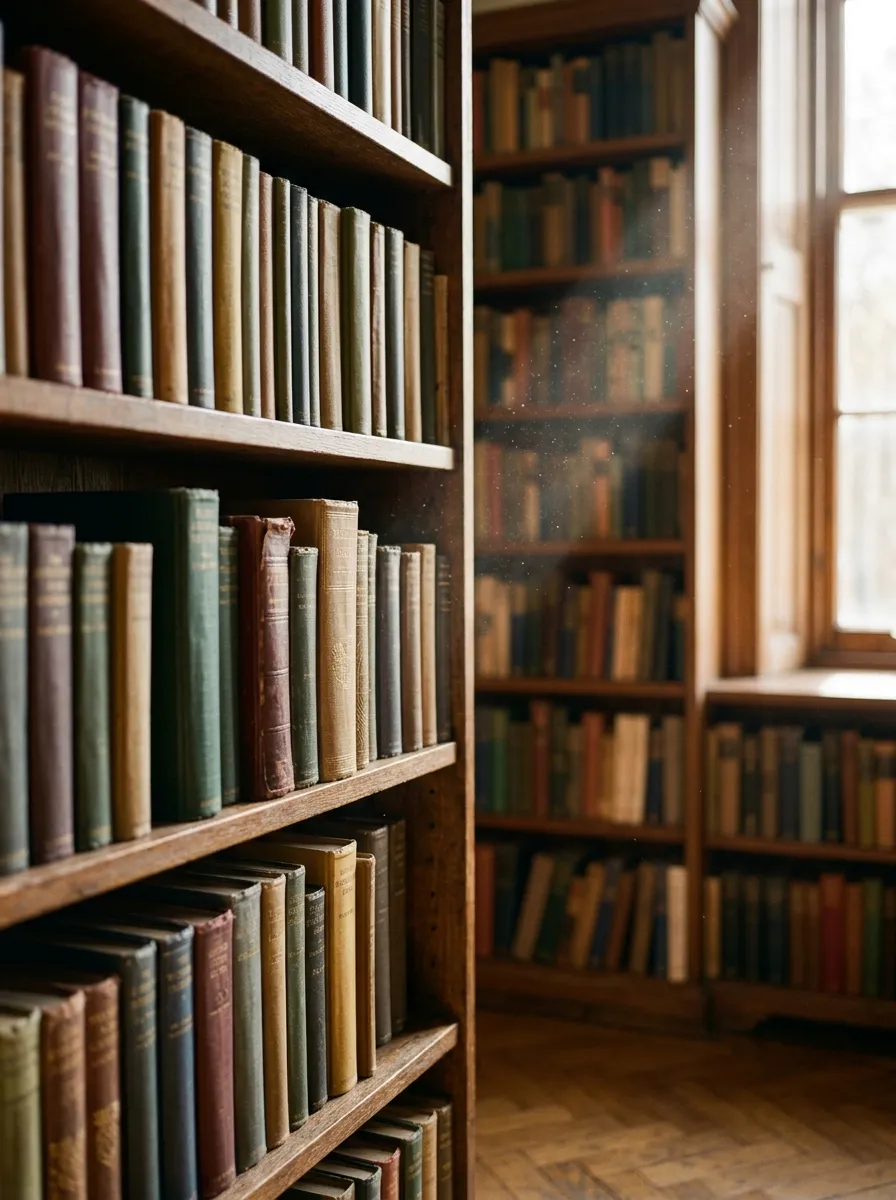
Cold finishes like glossy white or brushed steel can make a library feel clinical. Wood does the opposite. It brings warmth into a room without saying a word. Walnut, oak, and cherry all carry a natural richness that ages well. You do not need new furniture to get this effect. A thrifted table can be sanded lightly and finished with a simple oil to bring the grain back to life. Avoid mixing too many wood tones in one space. Pick one dominant shade and let smaller pieces echo it. A wooden picture frame here, a wooden lamp base there, ties the whole room together quietly. If your existing furniture is painted or laminate, consider a wood veneer contact paper as a low cost fix. It peels on easily and looks convincing from a normal viewing distance. Wood also softens hard lighting, since it reflects less glare than glossy surfaces. The result feels lived in rather than staged, which is exactly the point of a quiet, comfortable library.
3. A Single Statement Armchair
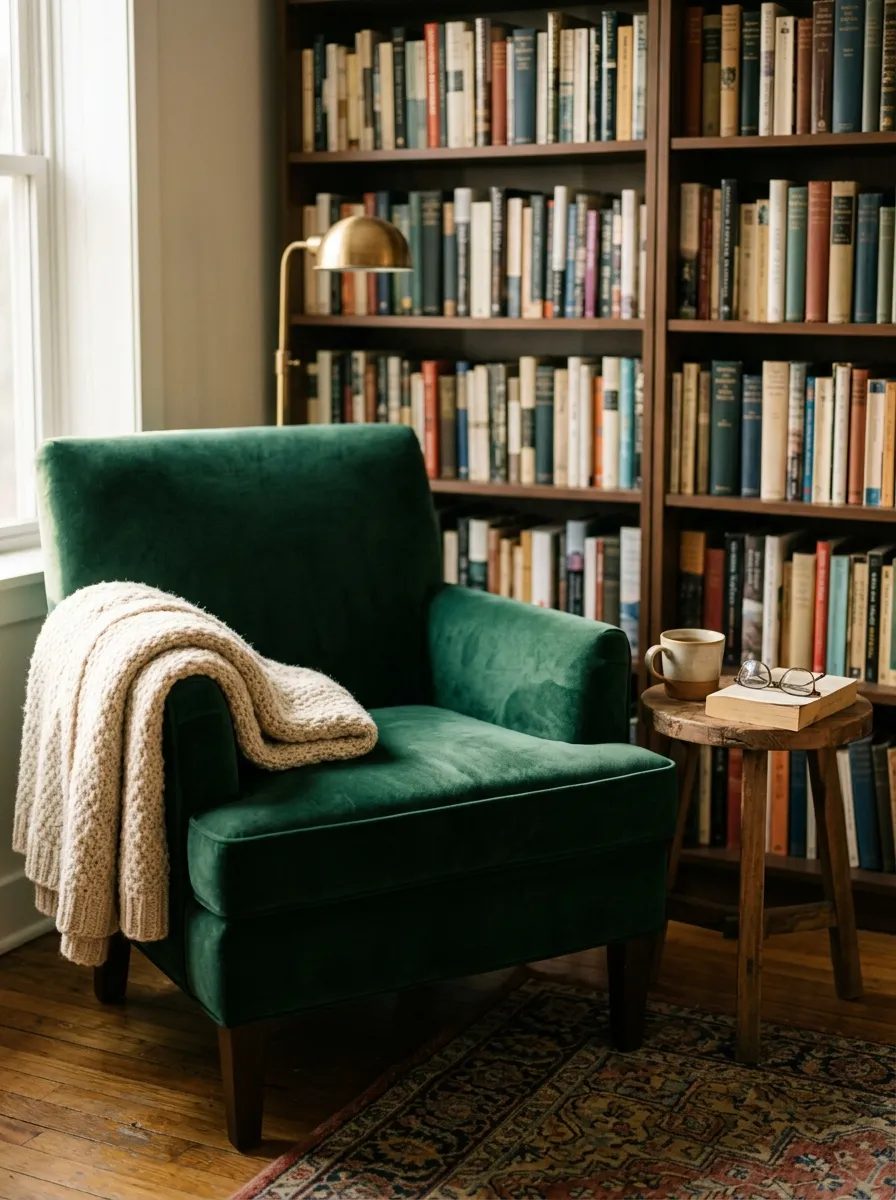
One good chair changes how a room feels. Skip matching furniture sets. A single armchair with real character does more work than a whole seating arrangement. Look for deep colors like burgundy, forest green, or navy in a soft fabric like velvet or brushed cotton. Secondhand stores and estate sales often carry these chairs for a fraction of retail price. Reupholstering an old frame with a few yards of fabric is another affordable route if you enjoy small DIY projects. Position the chair near natural light, not directly under an overhead bulb. This keeps the space feeling calm rather than harsh. Add one small side table within arm’s reach for a cup of tea or a stack of books. Skip extra pillows beyond one or two, since clutter fights against the quiet mood you are going for. A worn leather chair with a bit of patina often looks more expensive than a brand new one, so do not shy away from pieces with visible age.
4. Soft Layered Lighting
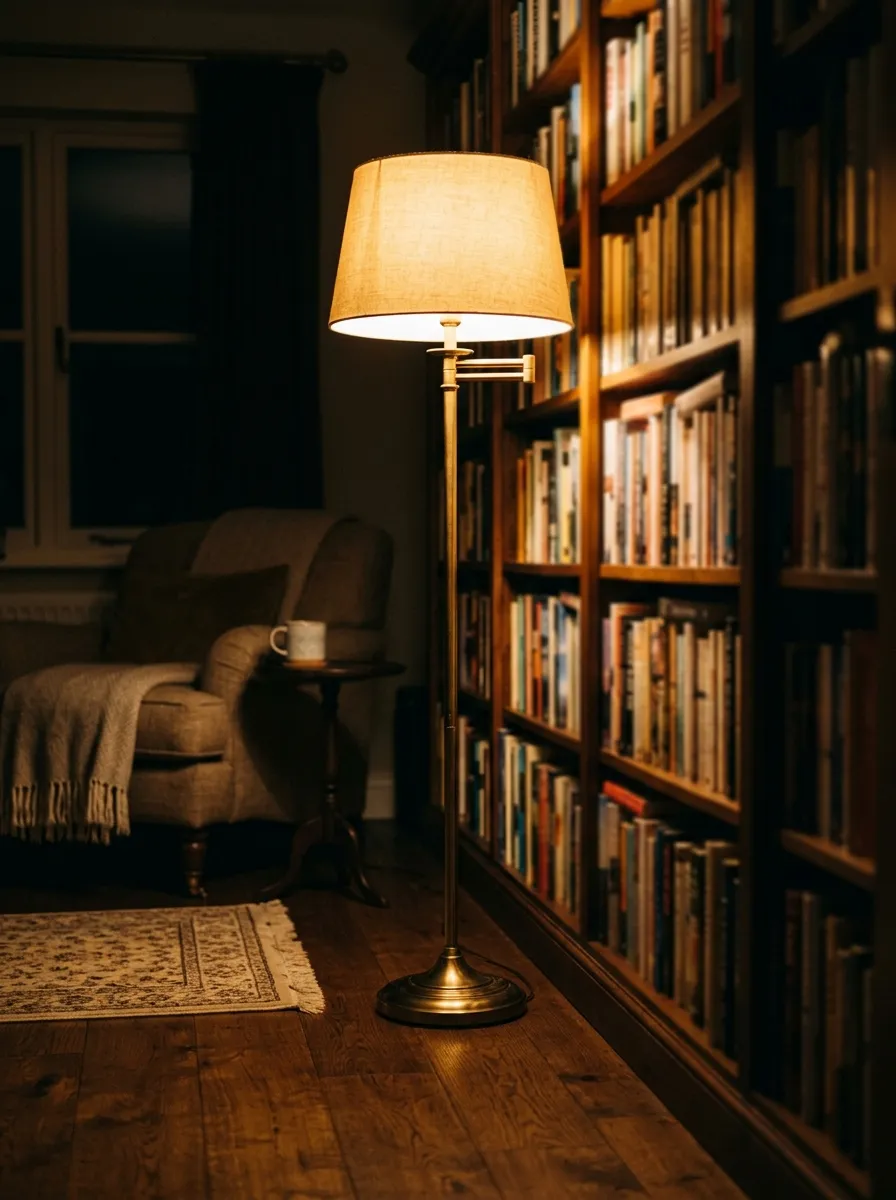
Overhead lighting flattens a room. A quiet library depends on layers instead. Combine a floor lamp, a small table lamp, and maybe one wall sconce for a mix of light heights. Warm bulbs around 2700K give off a golden glow that feels closer to candlelight than office lighting. Thrifted lamps are easy to find and easy to update with a new shade from a fabric store. Avoid bright white bulbs entirely, since they tend to make a space feel sterile. Dimmer switches are a small investment that pays off every evening. If rewiring is not an option, plug-in dimmer adapters work on nearly any lamp cord. Place one light source near your reading chair at shoulder height so pages stay lit without glare. Another near the shelves helps highlight book spines without washing out the room. Layered lighting takes a little planning but costs very little once you have the right bulbs. The payoff is a room that feels calm any time of day.
5. Curated Color-Coded Shelves
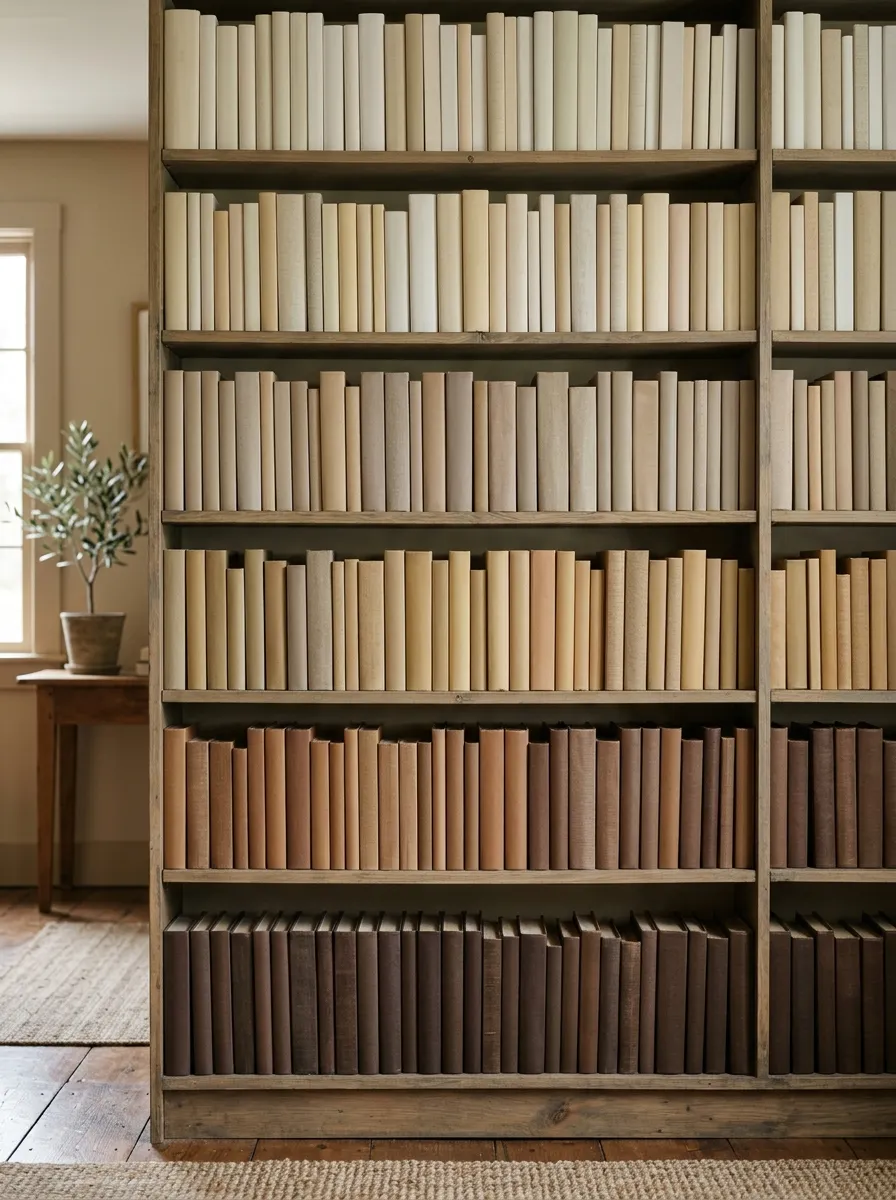
Rainbow bookshelves look busy fast. A quiet, restrained palette reads as far more polished. Sort your books by cover tone instead of by author or genre. Group creams, tans, and browns together, then move into deeper greens or navy blues. This one change can transform a mismatched book collection into something that looks intentional. If some covers clash with the palette, turn them spine-in so only the plain page edges show. This trick is used often in styled homes and costs nothing. Add a few small objects between book groupings, like a stone bookend or a small framed print, to break up long rows. Avoid overcrowding every shelf. Leave a little open space every few feet so the eye has somewhere to land. This kind of styling takes an afternoon and works with books you already own. It is one of the simplest, most affordable ways to make a home library look like it was designed with real care.
6. Vintage Brass Hardware
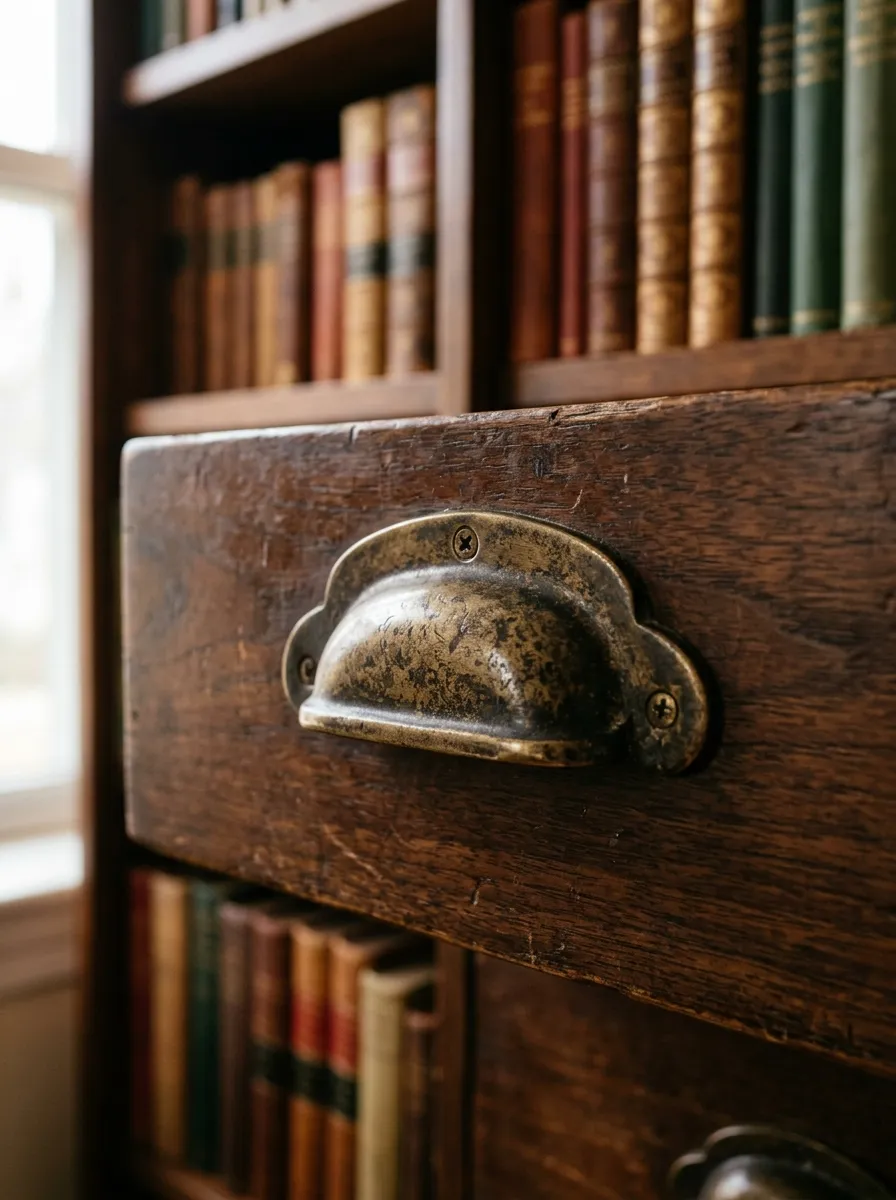
Small details carry weight in a quiet space. Swapping plain knobs and handles for aged brass hardware is one of the cheapest upgrades you can make. Check hardware stores for unlacquered brass, which develops a soft patina over time instead of staying shiny. If your budget is tight, a brass spray paint over existing plastic or steel knobs works surprisingly well. Let the paint cure fully before touching it so the finish holds up. Apply this same idea to drawer pulls, lamp switches, and even picture frame hooks. Consistency across these small touches makes a room feel considered rather than thrown together. Avoid mixing chrome and brass in the same space, since the contrast can feel busy. Stick to one metal tone throughout the room for a calmer result. Vintage hardware often shows up cheap at flea markets, even if the piece it came from is long gone. Keep a small bin of mismatched brass pieces on hand for future projects, since good hardware is hard to find twice.
7. A Wool or Silk Area Rug
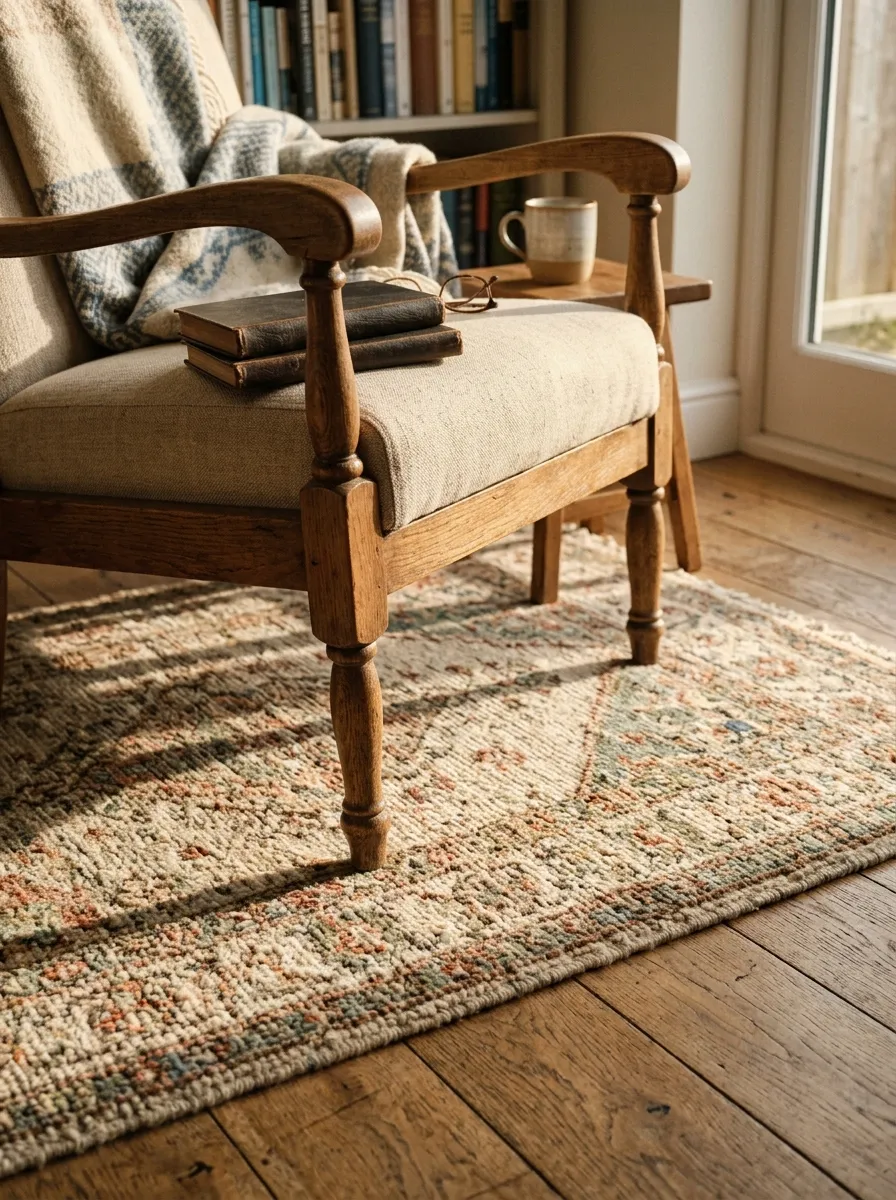
A rug grounds a room the way a good rug always does. Wool and silk blends feel soft underfoot and tend to hold color better than synthetic fibers over time. Look for muted patterns rather than bold prints, since a busy rug can pull focus from your shelves. Secondhand and estate sales often carry high quality rugs at low prices, especially older wool pieces that were built to last decades. If a full room rug is out of budget, a smaller runner in front of the bookshelf still adds warmth. Vacuum regularly and rotate the rug every few months so wear stays even. A rug pad underneath protects both the floor and the rug itself, and it keeps the rug from sliding when you walk across it. Avoid stark white or black rugs in a library setting, since they tend to show every mark and can feel cold. A warm tan, deep red, or muted blue tends to blend into the room rather than compete with it.
8. Linen Drapery for Softness
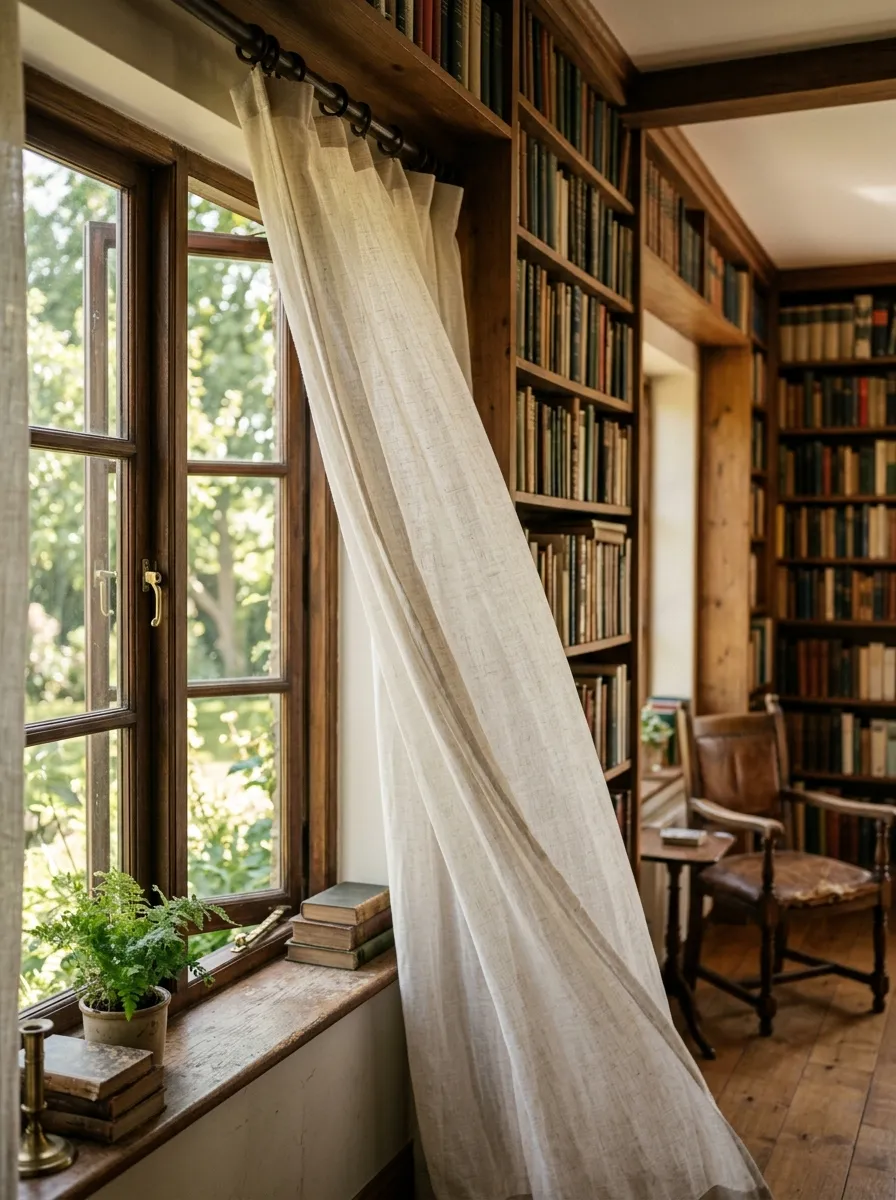
Hard surfaces need something soft to balance them out. Linen curtains do exactly that. The fabric has a natural texture that catches light in a gentle, uneven way, unlike smooth polyester panels. Choose a neutral shade like oatmeal, sand, or soft white so the curtains do not compete with your shelves. Budget linen blends are widely available and look nearly identical to pricier pure linen once hung. Hang curtain rods a few inches above the window frame and let the panels puddle slightly at the floor for a relaxed, unforced look. This small trick makes ceilings feel taller than they are. Wash and air dry the curtains rather than using a dryer, since heat can flatten the natural texture that makes linen look special. If sewing is not your thing, no-sew curtain clips let you hang fabric panels without any stitching at all. Even a simple flat sheet in the right color can work as a temporary curtain while you save for the real thing.
9. Ladder for Function and Style
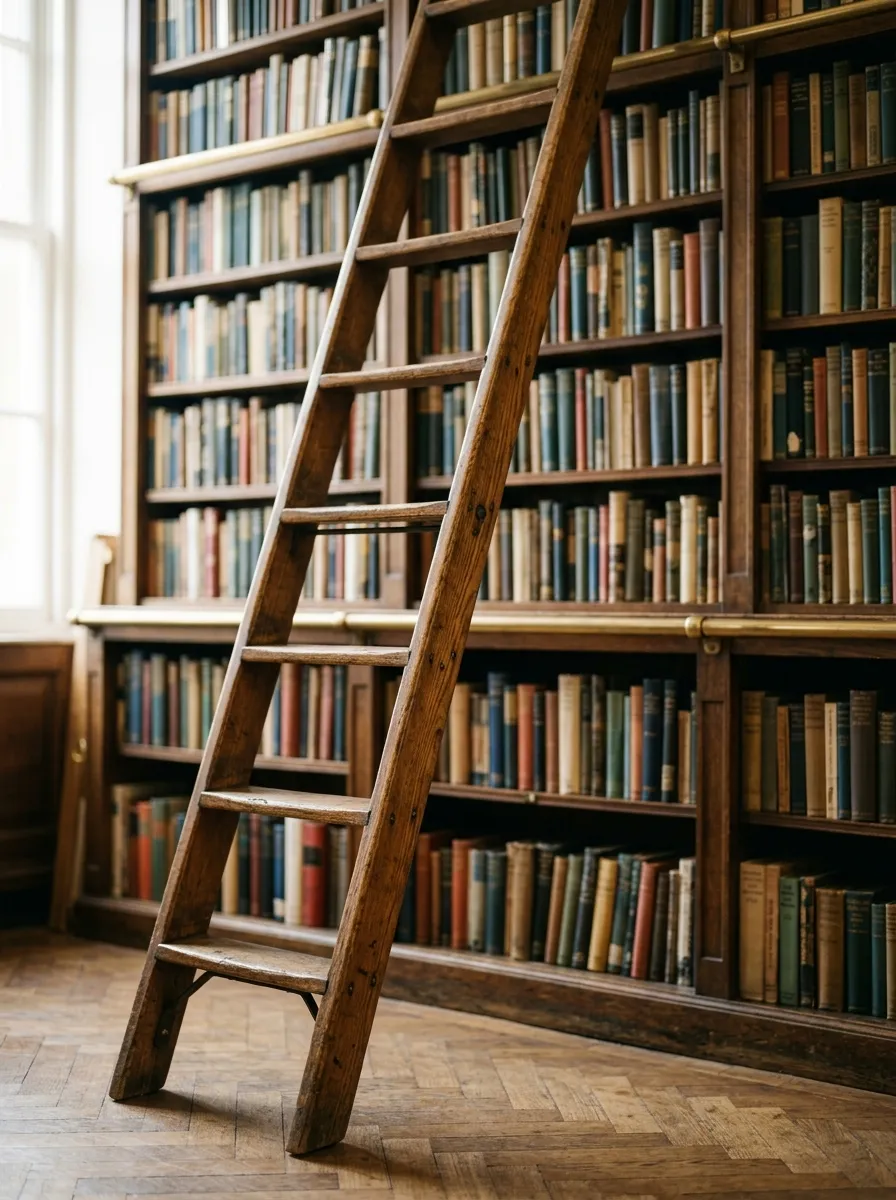
A rolling ladder is one of those details that instantly signals a real library, not just a shelf of books. It also solves the practical problem of reaching high shelves. You do not need the full track and rail system to get this look. A simple wooden step ladder, painted or stained to match your shelving, leans against the shelf and does the same job at a fraction of the price. Look for old library or orchard ladders at flea markets, since these often have the right proportions already. Sand rough spots and apply a matching wood stain for a clean finish. Keep the ladder in one consistent spot rather than moving it around, so it becomes part of the room’s visual rhythm. Beyond function, a ladder adds a diagonal line that breaks up the straight edges of shelving, which makes the whole wall feel more dynamic. It is a small, affordable addition that carries a surprising amount of visual weight in a home library.
10. Antique Globe or Map Accent
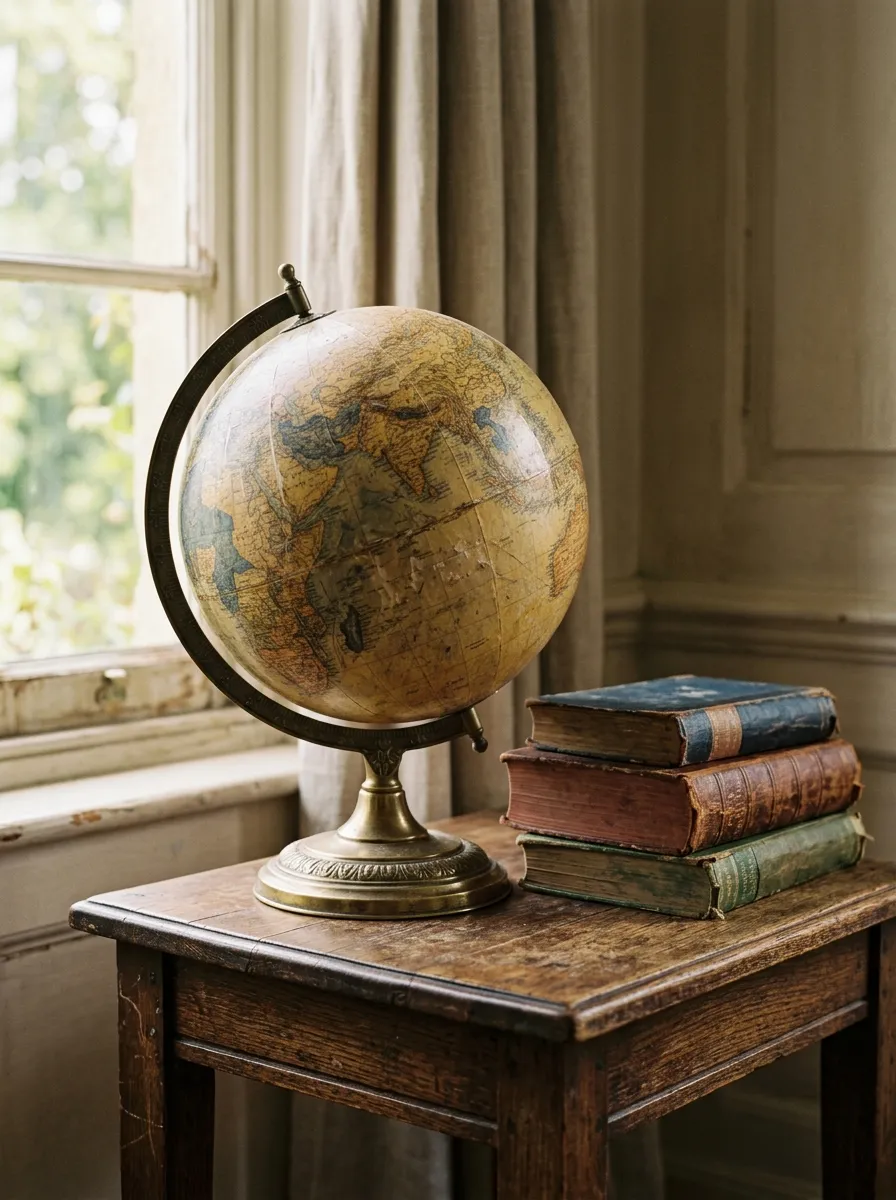
A worn globe or an old map brings a sense of history into a room without saying a single word. These pieces work best when they show real age, so skip the shiny new reproductions if you can. Estate sales, thrift shops, and secondhand bookstores often carry old globes for very little money. A few scuffs and faded patches actually add character rather than take away from it. Place a globe on a low side table where it can be seen but is not in the way of daily movement. Framed maps work well too, especially when hung in a simple black or wood frame rather than anything ornate. Choose one focal piece rather than several scattered around the room, since too many can start to feel like a theme park instead of a home. If you already own travel souvenirs or old postcards, a small tray nearby can hold these without needing a frame. This kind of styling rewards patience, since the best pieces tend to show up when you are not actively looking for them.
11. Leather-Bound Book Display
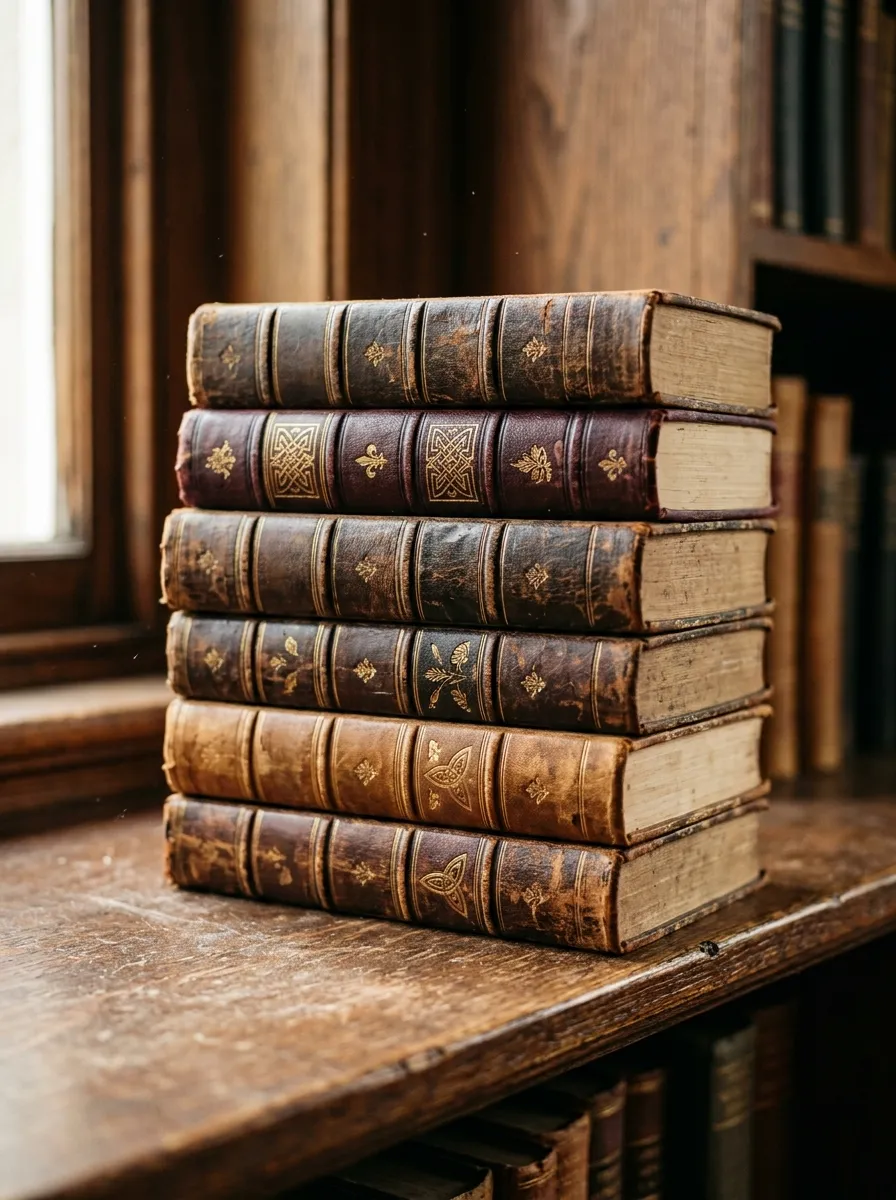
Leather-bound books carry a quiet richness that paperback covers cannot match. You do not need a full collection of antique classics to get this look. Secondhand bookstores often sell individual leather-bound volumes for a few dollars each, even if the set inside is incomplete or in a language you do not read. Group three or four together on a lower shelf where their texture and color can be seen up close. If leather books are hard to find locally, plain hardcover books can be dressed up with removable leather-look book covers, sold cheaply online. Wipe leather spines occasionally with a dry cloth to keep dust from settling into the grain. Avoid direct sunlight on leather bindings for long periods, since it can dry out and crack the material over time. Mix these books with a small stack of plain linen-bound volumes for contrast. The goal is texture variety, not a matching set. Even a handful of well-placed leather spines can shift the entire feel of a shelf toward something warmer and more considered.
12. Marble or Stone Side Table
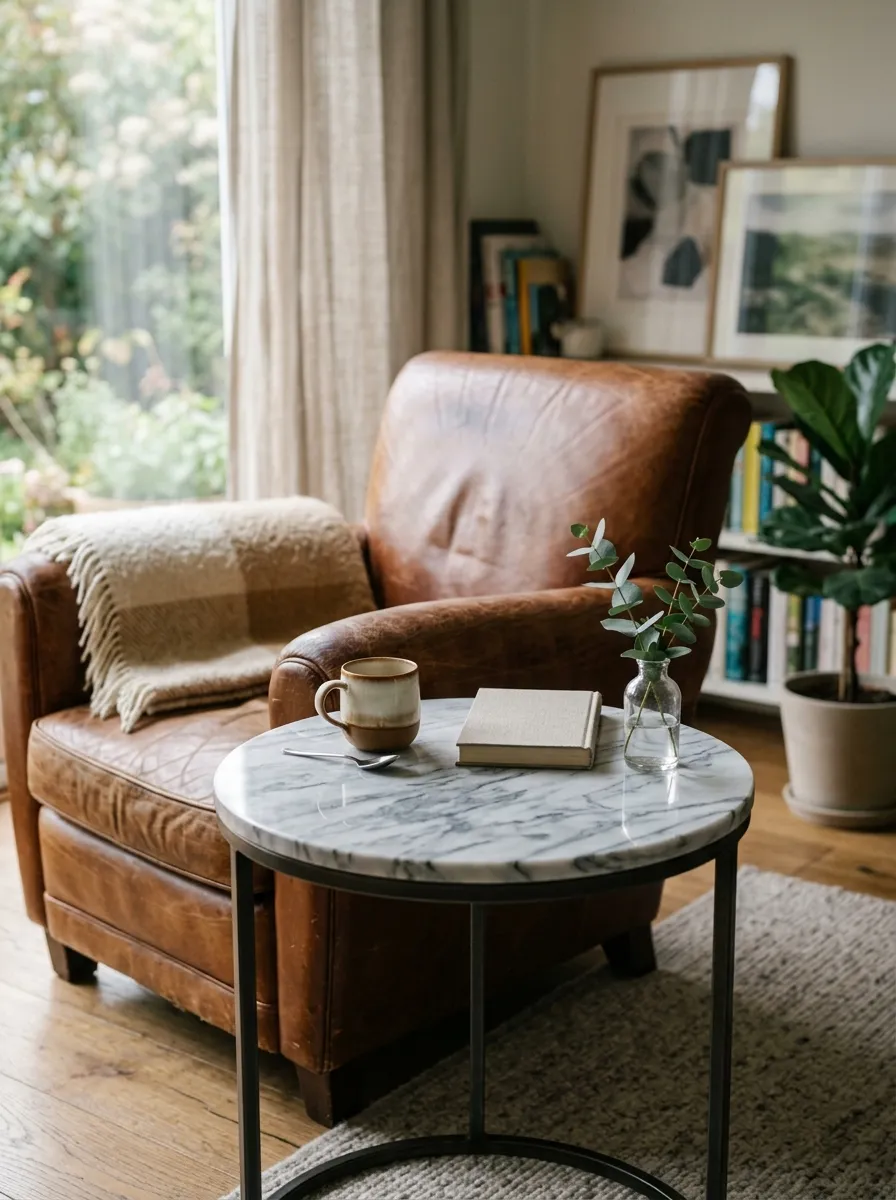
Stone brings a cool, solid contrast to a room full of wood and fabric. A small marble or travertine side table beside your reading chair adds weight without adding bulk. Real marble can be pricey, but marble-topped tables show up often at secondhand shops, sometimes for a fraction of retail cost due to small chips or scratches that barely show once styled. If a stone table is out of reach, a marble contact paper wrap over a plain wooden table creates a convincing look for very little money. Keep the surface mostly empty, just a small stack of books, a candle, or a single glass. Stone tables tend to feel heavier visually, so pair them with lighter, softer pieces nearby like a linen throw or a woven basket. Wipe the surface with a soft cloth rather than harsh cleaners, since some stone finishes stain easily. This one piece adds a cool, grounded texture that keeps a warm, wood-heavy room from feeling one-note.
13. Quiet Neutral Wall Color
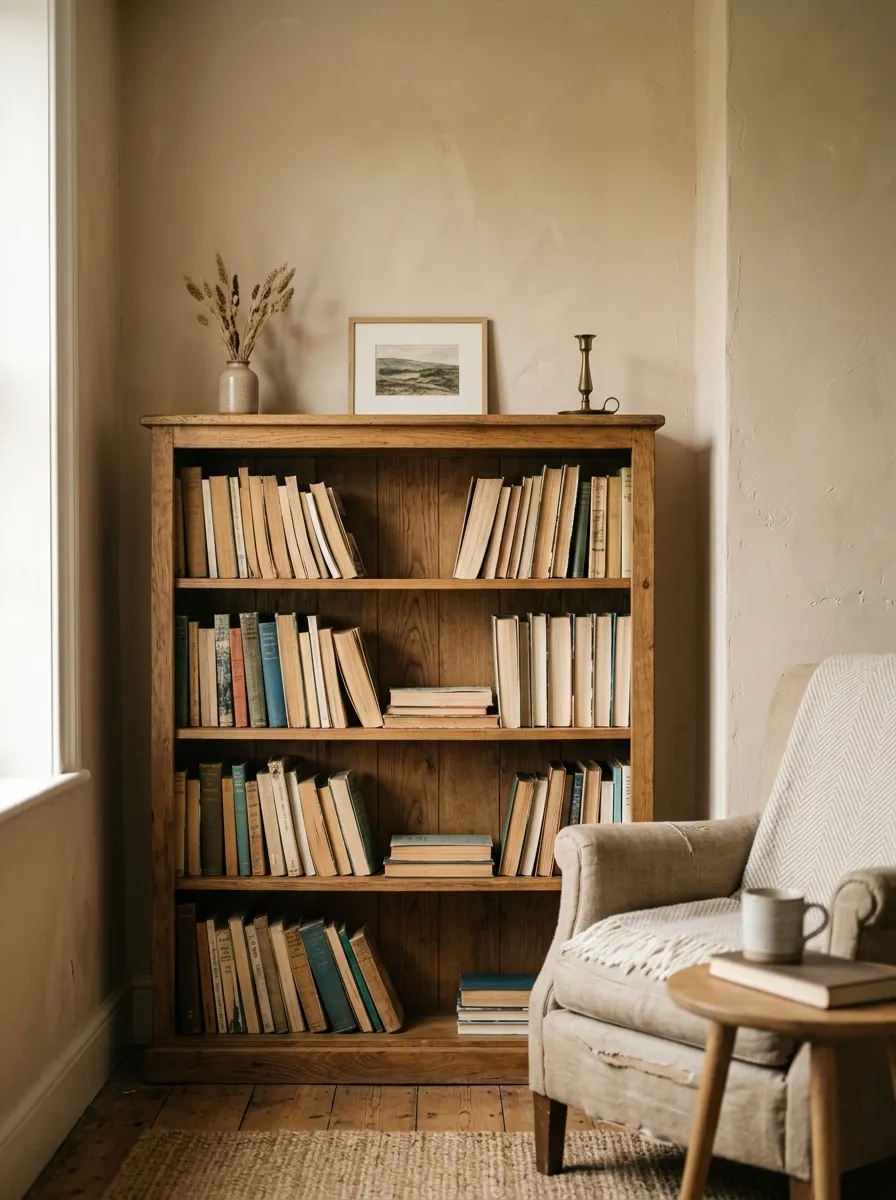
Paint color sets the mood before anything else in the room even gets noticed. Bright whites and stark grays can feel cold in a library setting. Warmer neutrals like soft beige, clay, or muted olive give the room a calmer base to build from. Sample pots are cheap and let you test a color on a small patch of wall before committing to a full gallon. Paint that patch at different times of day, since natural light shifts a color’s tone from morning to evening. A matte or eggshell finish tends to look more refined than glossy paint, which can highlight wall imperfections under lamp light. If painting the whole room feels like too much, try just the wall behind your main bookshelf as an accent. This creates depth without a big time or money commitment. Avoid trendy bright colors that might feel dated in a few years. Quiet, warm neutrals tend to age well and let your books and furniture stay the visual focus of the room.
14. Framed Botanical Prints
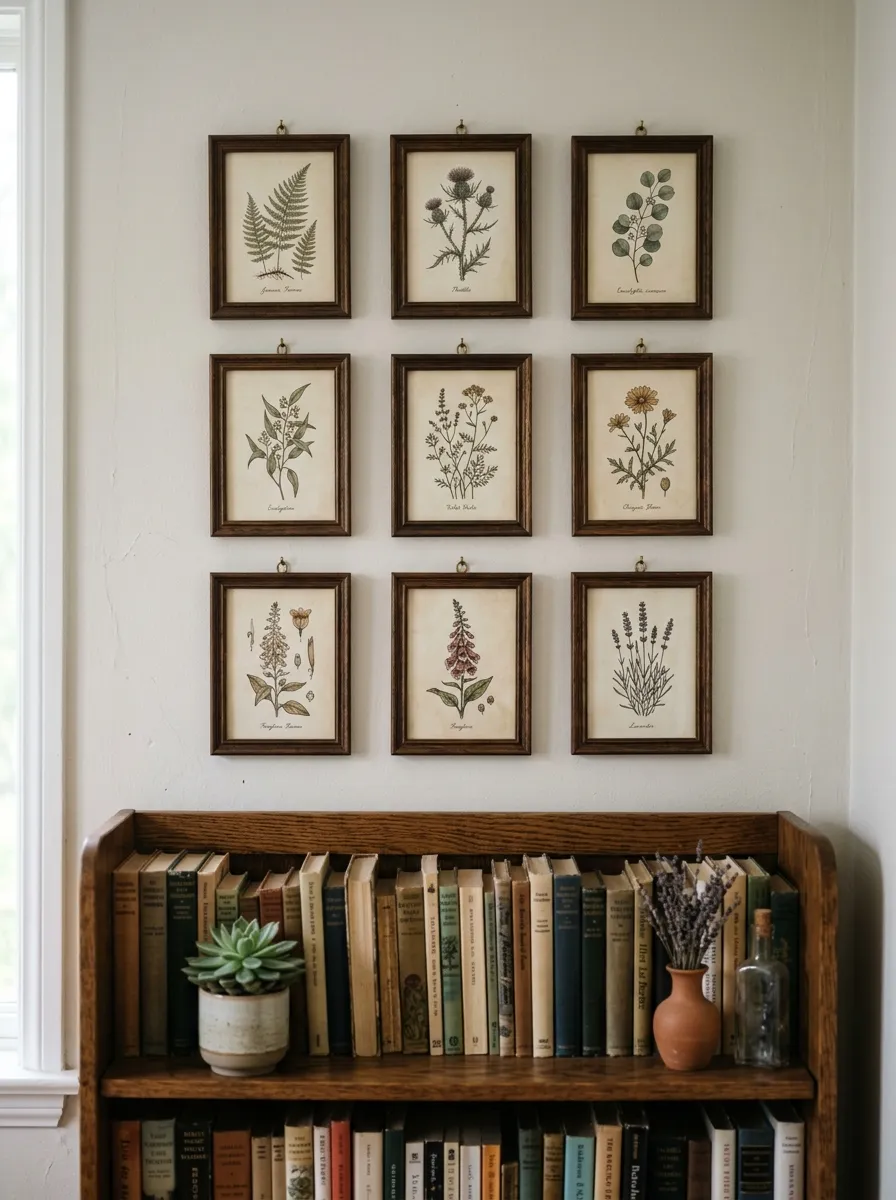
Botanical prints add a quiet visual break between rows of books without pulling too much attention. Old field guides and nature books often have pages that can be carefully removed and framed, giving you an authentic vintage look for very little cost. Thrift stores frequently sell botanical prints in bulk for a dollar or two each. Choose simple black or natural wood frames rather than ornate gold ones, since plain frames keep the focus on the print itself. Hang a small cluster of three or four prints at slightly different heights rather than one large piece, which mirrors the organic feel of the subject matter. Keep the color palette limited to greens, creams, and soft browns so the prints blend with the rest of the room instead of standing out. Avoid overcrowding a wall with too many frames, since a library already has a lot of visual texture from the books themselves. A few well-placed prints do more than a dozen scattered across every open wall.
15. A Reading Nook by the Window
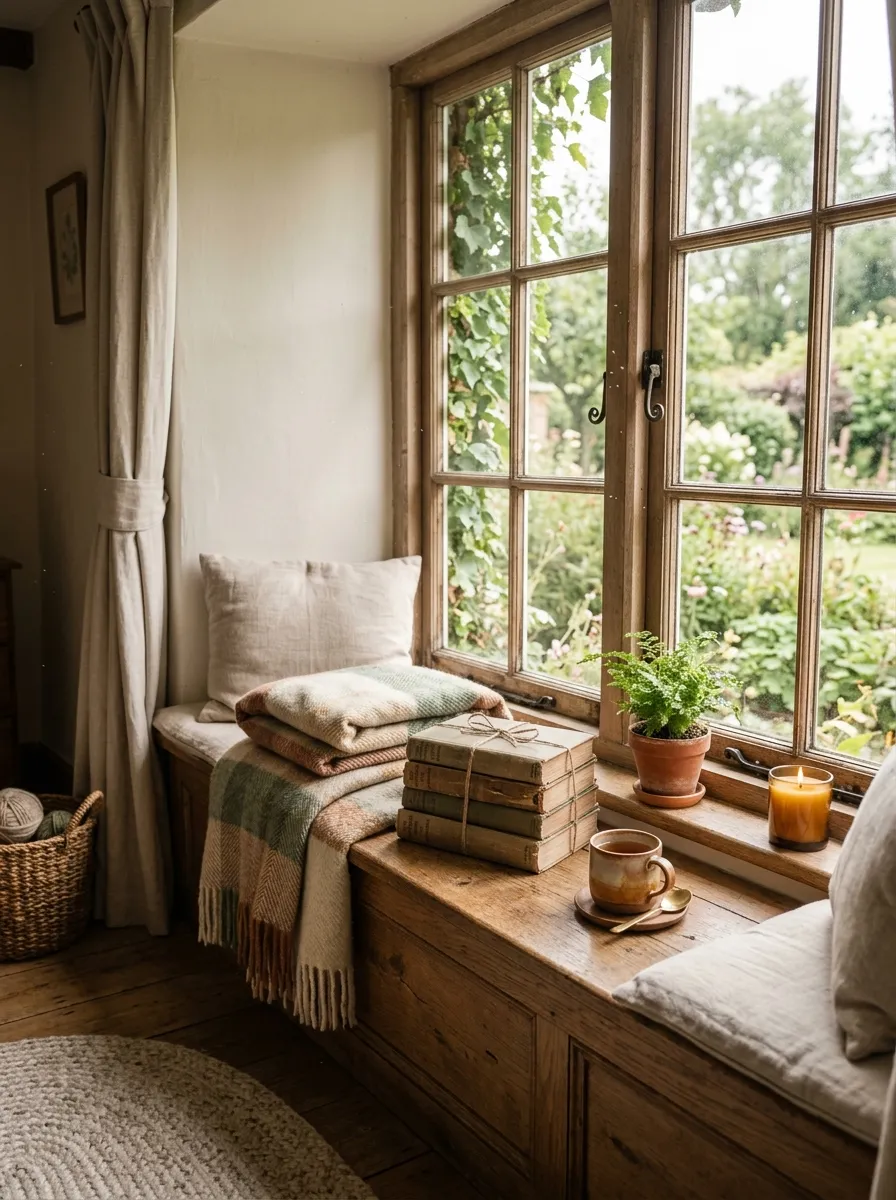
Natural light makes reading easier and a nook by the window puts that light to good use. You do not need a built-in bench to create this space. A simple armchair or floor cushion near the window works just as well. Add a small side table for a lamp and a cup of tea, and keep the space free of clutter so it feels open and inviting. Sheer curtains soften harsh midday sun while still letting in plenty of light for reading. If your window has a deep sill, a flat cushion cut to size turns it into an instant seat. Foam cushions can be covered with fabric remnants from a craft store, keeping cost low. Position your reading nook away from direct afternoon glare if you plan to spend long hours there, since bright light can be tiring on the eyes over time. A small basket beside the chair keeps current reads within arm’s reach without cluttering the floor. This corner often becomes the most used spot in the whole room.
16. Ceramic Bookends
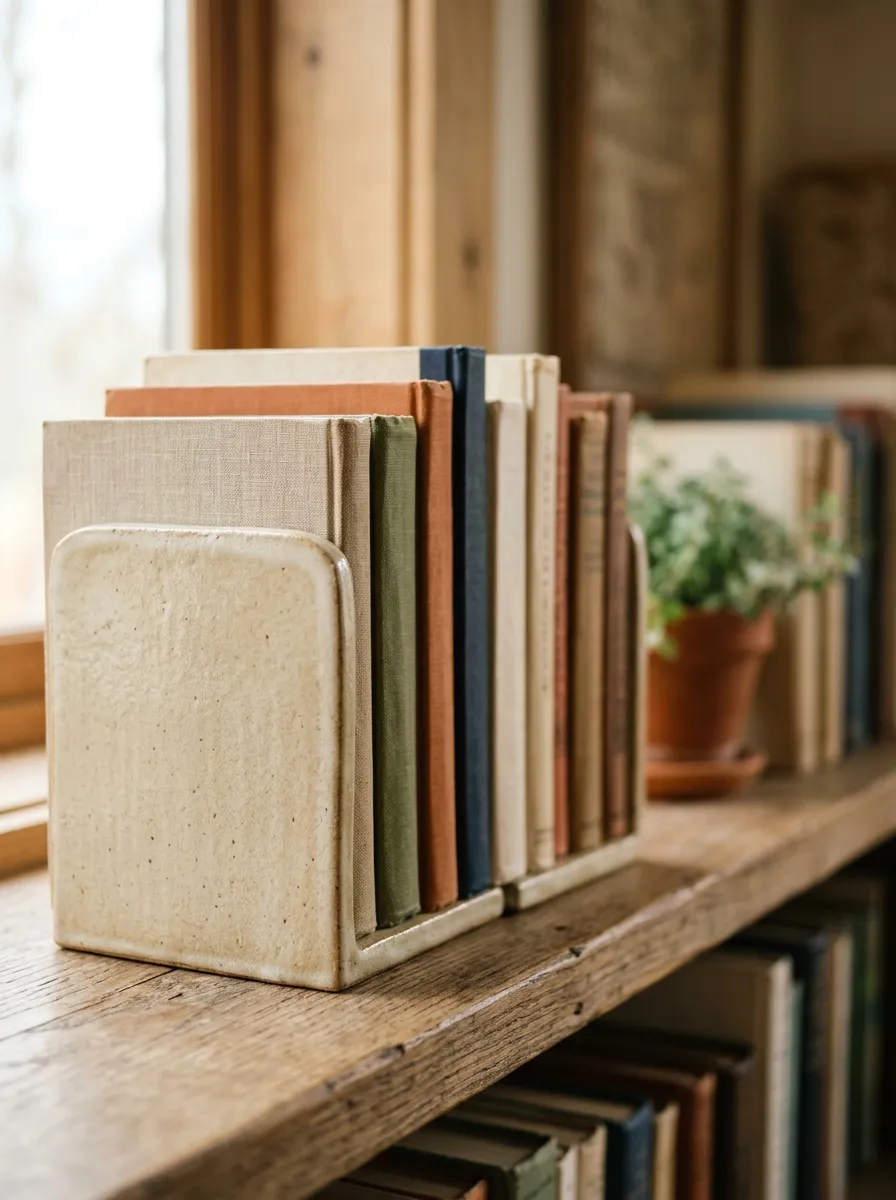
Bookends are a small detail that keeps shelves looking tidy instead of leaning and sliding. Ceramic bookends in a matte glaze feel more refined than plastic or plain metal versions. Thrift stores often carry vintage ceramic pieces that were never intended as bookends but work just as well, like small bowls or figurines with enough weight to hold books upright. Stick to one color family, like cream or soft gray, so the bookends blend with your shelf styling rather than standing out. If you enjoy small craft projects, plain ceramic bookends from a craft store can be hand painted in a muted tone to match your room. Use them on shelves where books are grouped in small stacks rather than lined up wall to wall, since bookends work best when there is a visible gap to fill. Heavier pairs tend to hold larger books more securely, so check the weight before buying if your collection includes bigger hardcovers. This is one of the smallest additions on this list, but it keeps the whole shelf looking intentional.
17. Hidden Storage Behind Panels
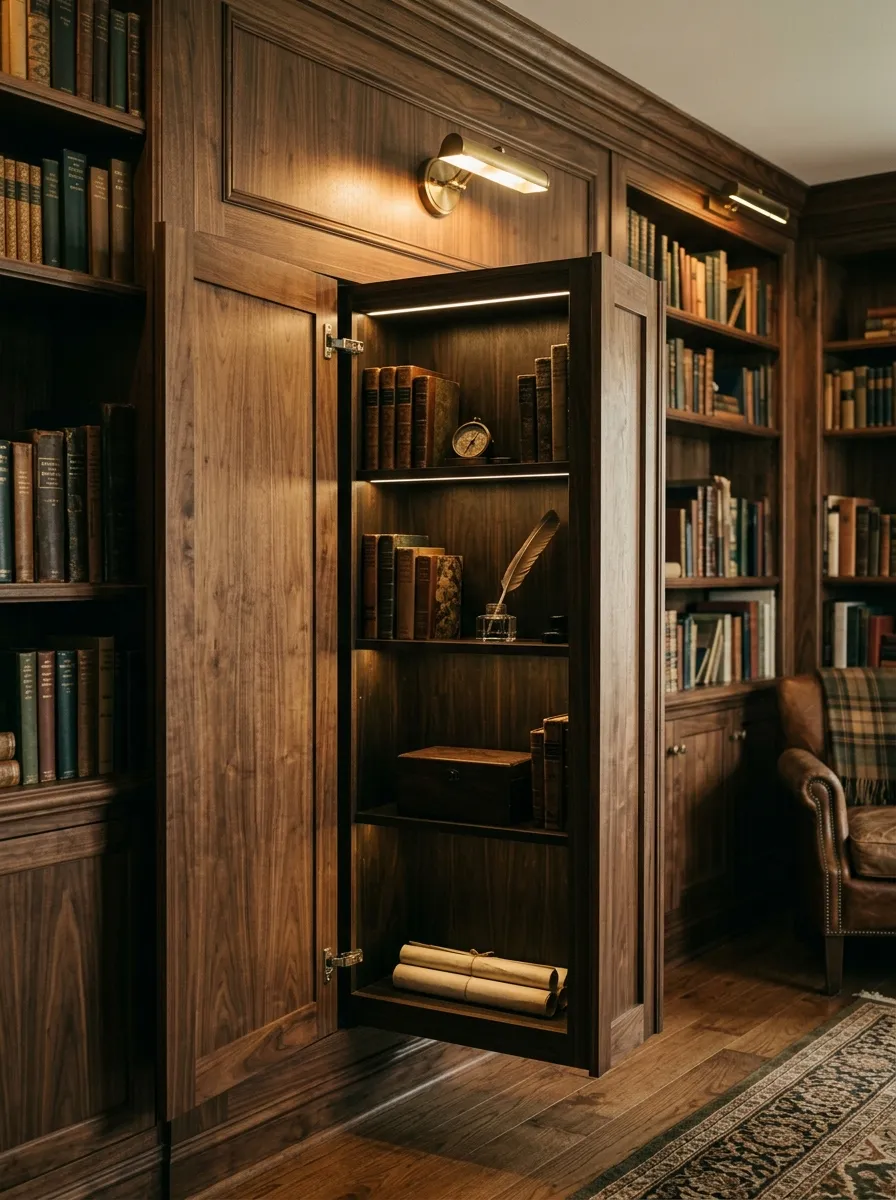
Clutter is the fastest way to break a calm, quiet mood. Hidden storage keeps daily items out of sight without giving up function. A simple cabinet with doors, placed at the base of your bookshelf, can hold chargers, extra blankets, or mismatched decor that does not fit the room’s palette. Thrifted cabinets can be painted to match your shelving so they blend in rather than stand out as a separate piece. If built-in paneling feels out of reach, a large woven basket with a lid works as a lower cost stand-in and still hides clutter effectively. Label boxes on the inside rather than the outside, keeping the exterior clean and unmarked. This kind of storage matters most in smaller rooms, where every visible surface affects how calm the space feels. Rotate seasonal items into hidden storage rather than leaving them out year round, since a lighter surface count keeps the room feeling spacious. A little hidden organization goes a long way toward keeping the quiet luxury feel intact day to day.
18. A Small Bar Cart Corner
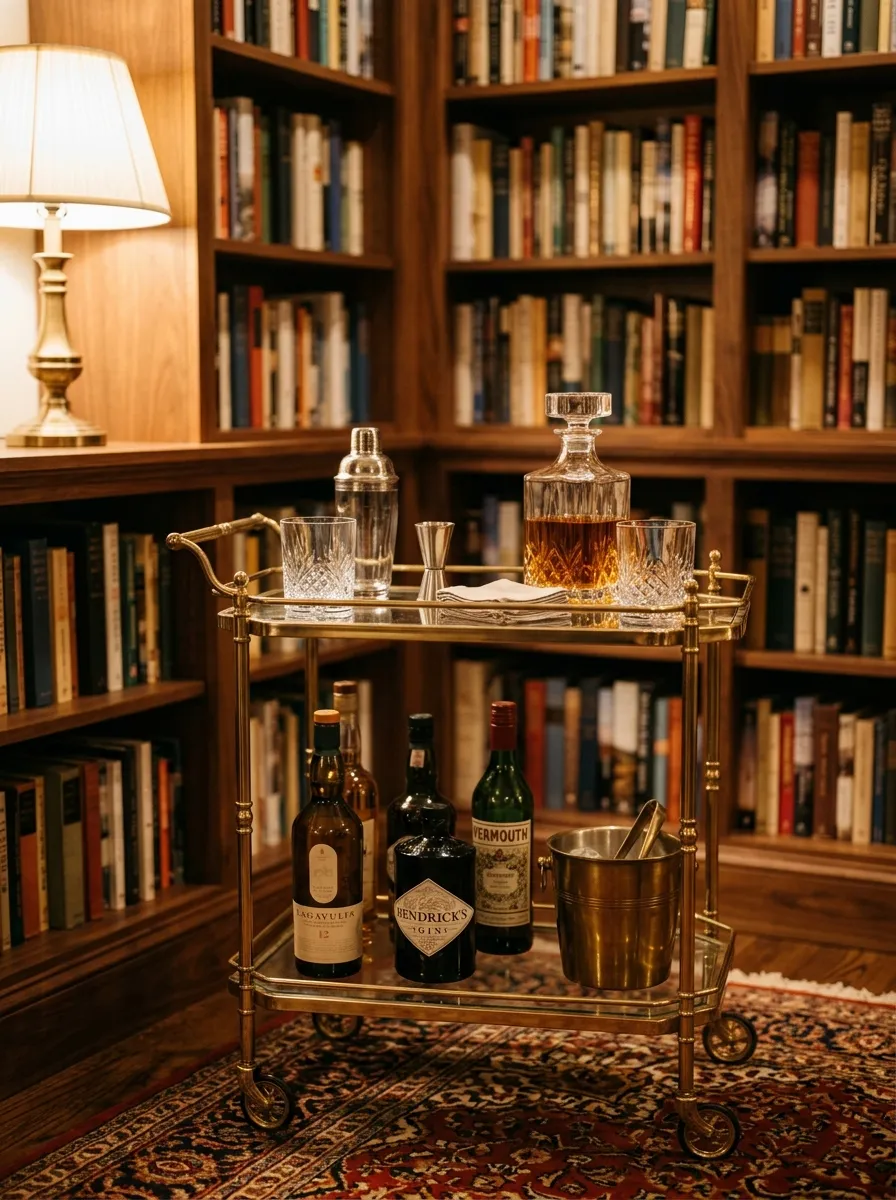
A small bar cart turns a reading room into a space for slower evenings too. It does not need to be large or fully stocked. A single shelf with a decanter, two glasses, and a small tray covers the basics. Secondhand carts, often sold cheap due to a wobbly wheel or scuffed frame, clean up well with a little polish and a tightened bolt. Brass or dark metal frames tend to match a library’s warmer palette better than bright chrome. Keep the cart tucked into a corner rather than the center of the room, since it works best as a quiet accent rather than a focal point. Cloth napkins folded neatly on the tray add a soft touch next to the harder glass and metal surfaces. If a full cart feels unnecessary, a small tray on a side table can serve the same purpose at almost no cost. This little corner invites a slower pace, which fits the whole mood a home library is trying to create.
19. Candles Instead of Harsh Light
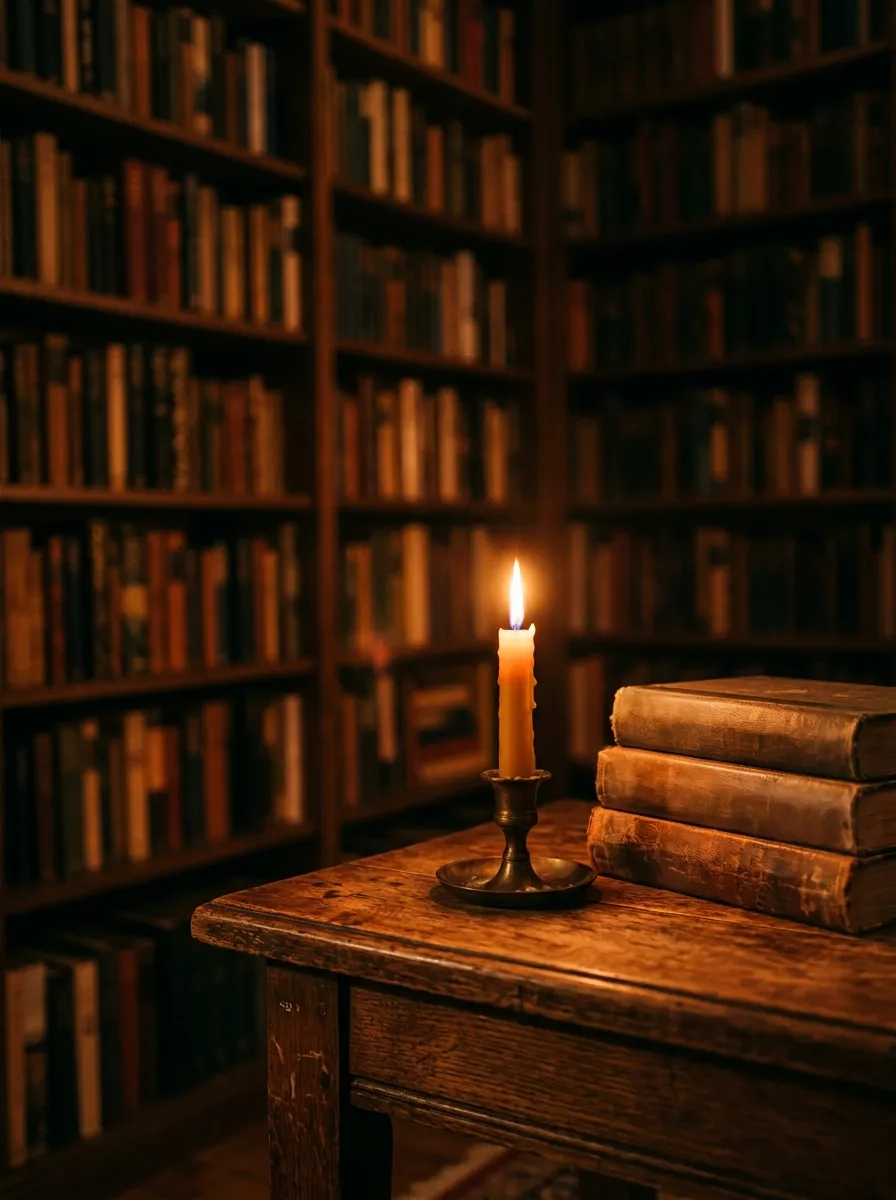
Candlelight softens a room in a way no bulb quite matches. Keep a few unscented or lightly scented candles on hand for evening reading sessions. Plain glass jar candles from a grocery store work fine, and you can dress them up by placing them in a small ceramic dish or wooden tray. Avoid strong scents in a library, since heavy fragrance can be distracting during long reading sessions. Group two or three candles of different heights together rather than spacing single candles around the room, which creates a more layered glow. Always keep candles away from paper edges and never leave one burning unattended near stacked books. Battery powered flameless candles are a safer option if you plan to enjoy the look overnight or around pets. Save fresh candles for evenings when you actually plan to sit and read, rather than burning them as background decor daily, so the ritual feels special rather than routine. This small habit adds warmth to the room at almost no cost beyond the candle itself.
20. Family Photos in Simple Frames
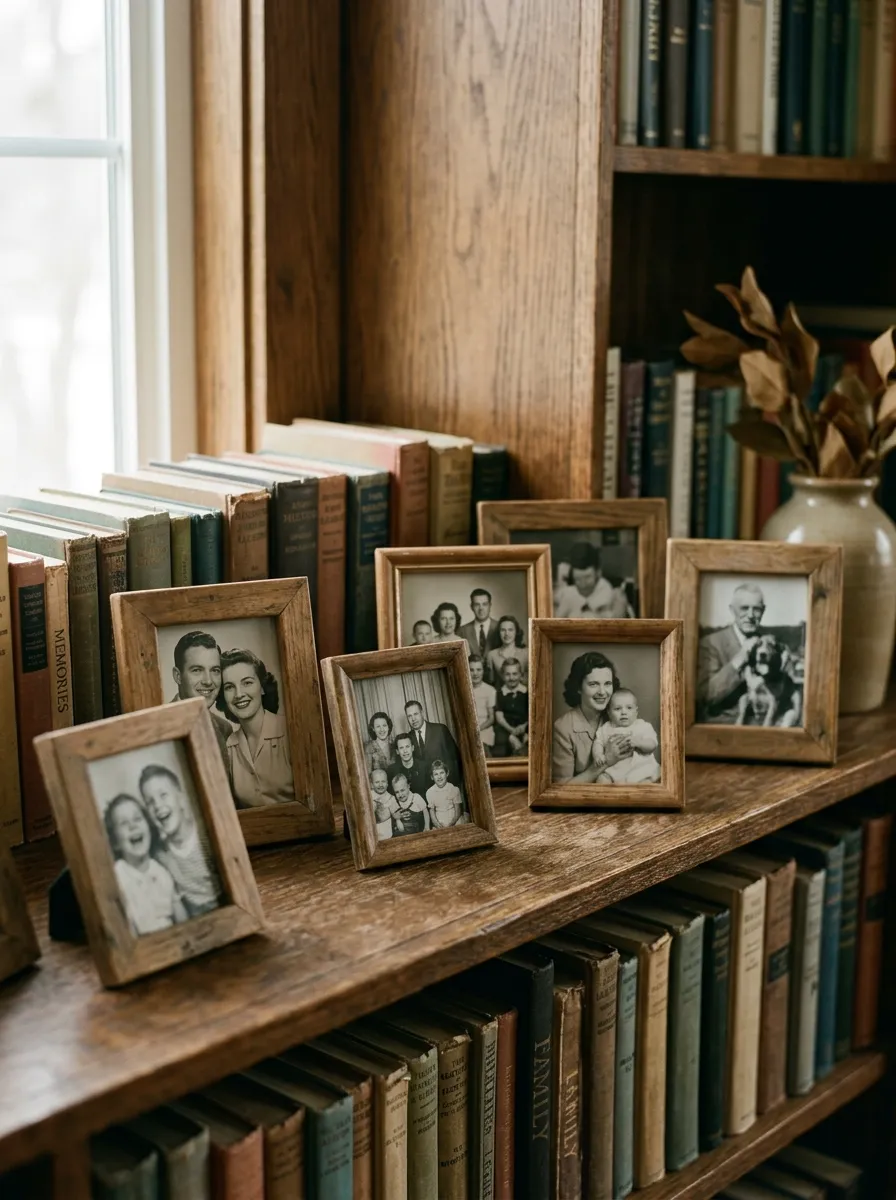
A library filled only with books can start to feel impersonal. A few family photos bring warmth and a sense of who the room belongs to. Stick to black and white or sepia toned photos if you want a cohesive, quiet look across the shelf. Simple wood or black metal frames work better here than anything ornate or gold, since the goal is a calm background detail rather than a gallery wall. Print smaller photos at a local shop rather than displaying full color phone screenshots, since a physical print always feels more considered. Group two or three frames together at varying heights among the books rather than lining them all up in a row. This creates a more natural, collected look, as if it built up slowly over the years. Rotate photos occasionally to keep the shelf feeling current rather than frozen in one moment. A single meaningful photo often carries more weight than a dozen scattered ones, so choose with a little care rather than filling every open space.
21. A Cozy Throw Blanket
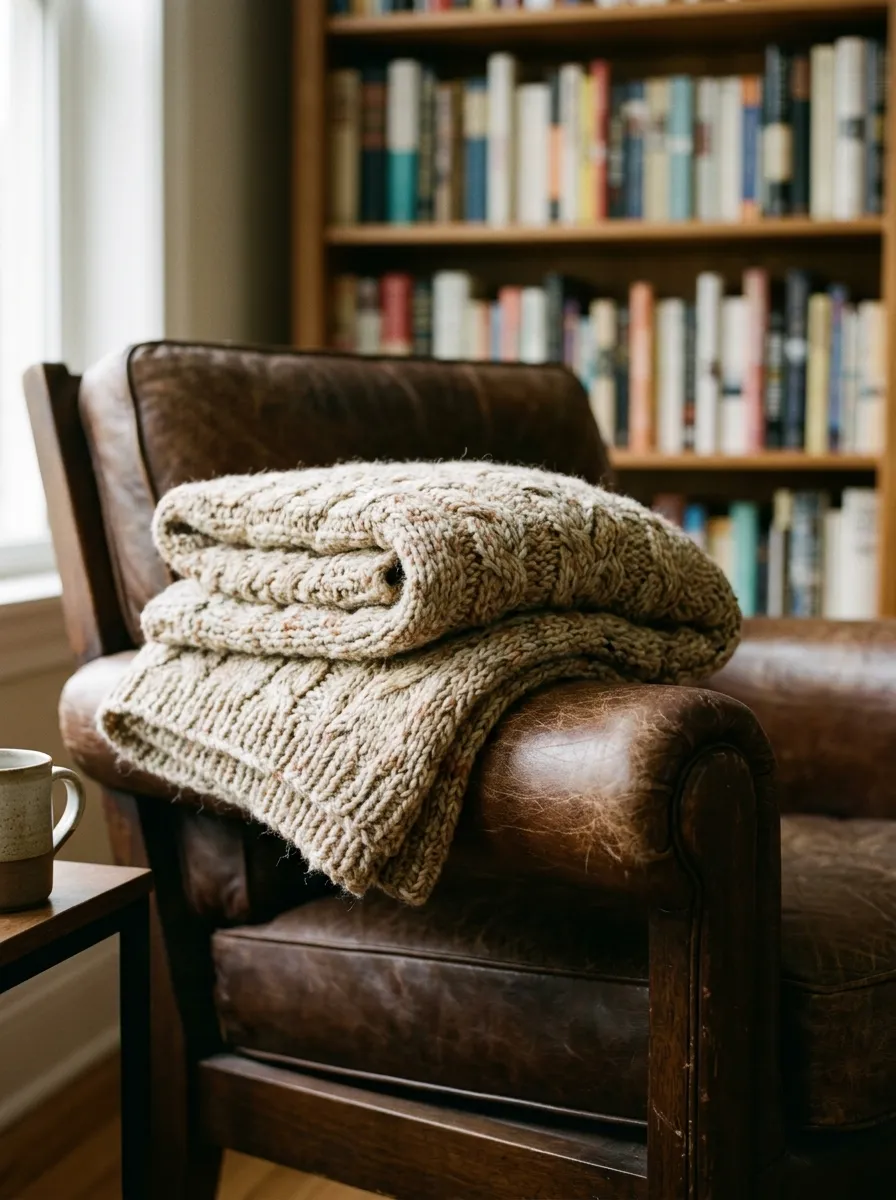
A throw blanket is a small item that adds instant comfort to any reading chair. Wool, cotton knit, or a soft brushed cotton blend all hold up well over time and feel nice against the skin during long reading sessions. Thrift stores and discount home shops often carry good quality throws for very little money, especially in solid neutral colors. Fold the blanket loosely over one arm of the chair rather than draping it perfectly flat, since a little looseness feels more lived in and less staged. Stick to one or two colors that match your existing palette rather than introducing a bold new pattern. Wash the blanket occasionally on a gentle cycle to keep it soft and fresh smelling without wearing down the fibers too quickly. If you enjoy simple sewing projects, two matching flannel layers stitched together make a quick, affordable DIY throw. This small addition makes the chair look inviting even when no one is sitting in it, which matters more than people expect in a well styled room.
22. Simple Greenery in Vases
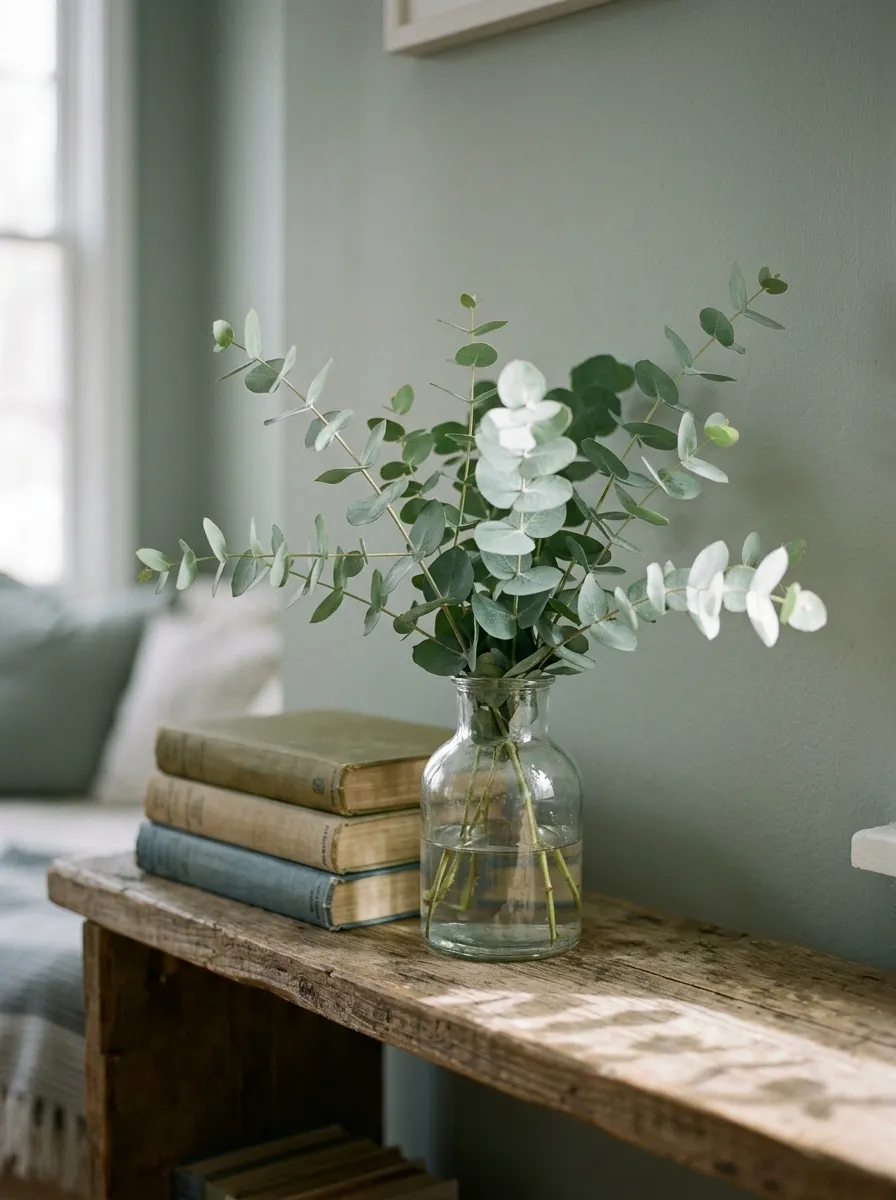
A little greenery keeps a room full of wood and paper from feeling too heavy. Simple stems like eucalyptus, olive branches, or dried pampas grass hold their shape for weeks without needing water, which makes them a low maintenance option for a busy home. Grocery store flowers or clippings from a neighbor’s yard work just as well as anything from a florist. Choose a plain glass or ceramic vase rather than anything patterned, so the greenery stays the visual focus. Place one small vase on a low shelf and another beside your reading chair rather than filling every surface, since a few well placed stems read as more intentional than a dozen scattered ones. Trim stems at an angle before placing them in water to help fresh greenery last longer. Dried arrangements need almost no care beyond an occasional dusting with a soft cloth. This one small, affordable touch softens the room’s hard edges and adds a quiet sense of life without requiring a green thumb.
Conclusion
A home library built around quiet luxury does not depend on a big budget or a full renovation. It depends on small, thoughtful choices that work together. Warm wood, soft lighting, a few well chosen textures, and a handful of personal touches can turn any spare corner into a room people actually want to sit in. Start with one or two ideas from this list rather than trying everything at once. Let the room grow slowly, the way a good book collection always does. Over time, these small changes add up to a space that feels calm, personal, and genuinely well lived in.