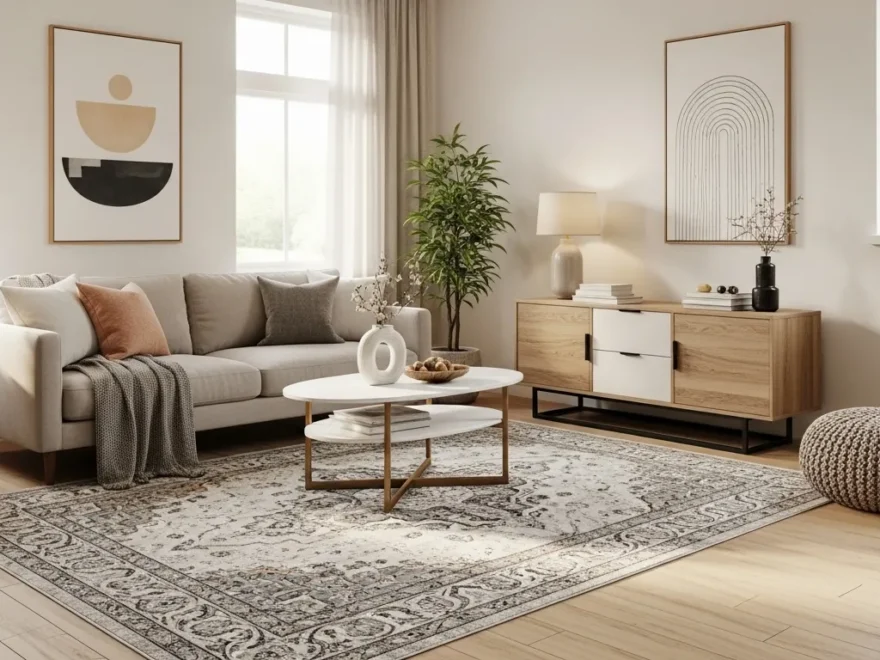
A room without a rug often feels like something is missing even when everything else is perfectly in place. The furniture might be beautiful, the walls the right color, and the accessories thoughtfully chosen, but without a rug anchoring the space the room still feels unfinished and slightly disconnected. A rug is not just a floor covering. It is the piece that pulls everything together, defines the zones within a room, adds warmth and texture underfoot, and gives the entire space a sense of intention and completeness that nothing else quite replicates. If you’re learning how to decorate an entryway, using a rug along with simple, functional decor can instantly make the space feel more welcoming, organized, and visually balanced.
Here is exactly how to decorate with rugs to make every room in your home look truly complete.
Choose the Right Size Rug for Every Room
Rug size is the single most important decision in rug decorating and the one that most people get wrong. A rug that is too small for the room is the most common mistake and it makes the space look disconnected, unbalanced, and unfinished regardless of how beautiful the rug itself is.
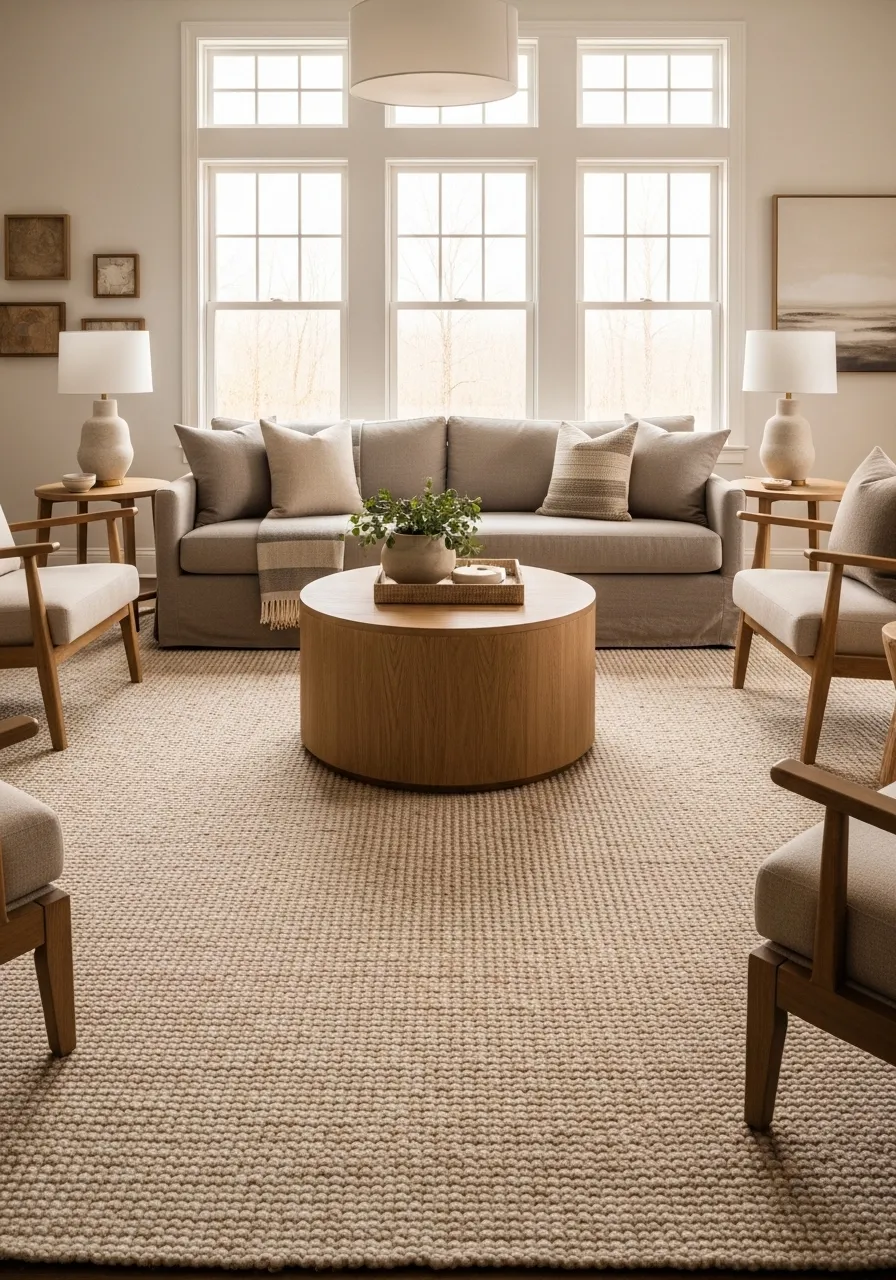
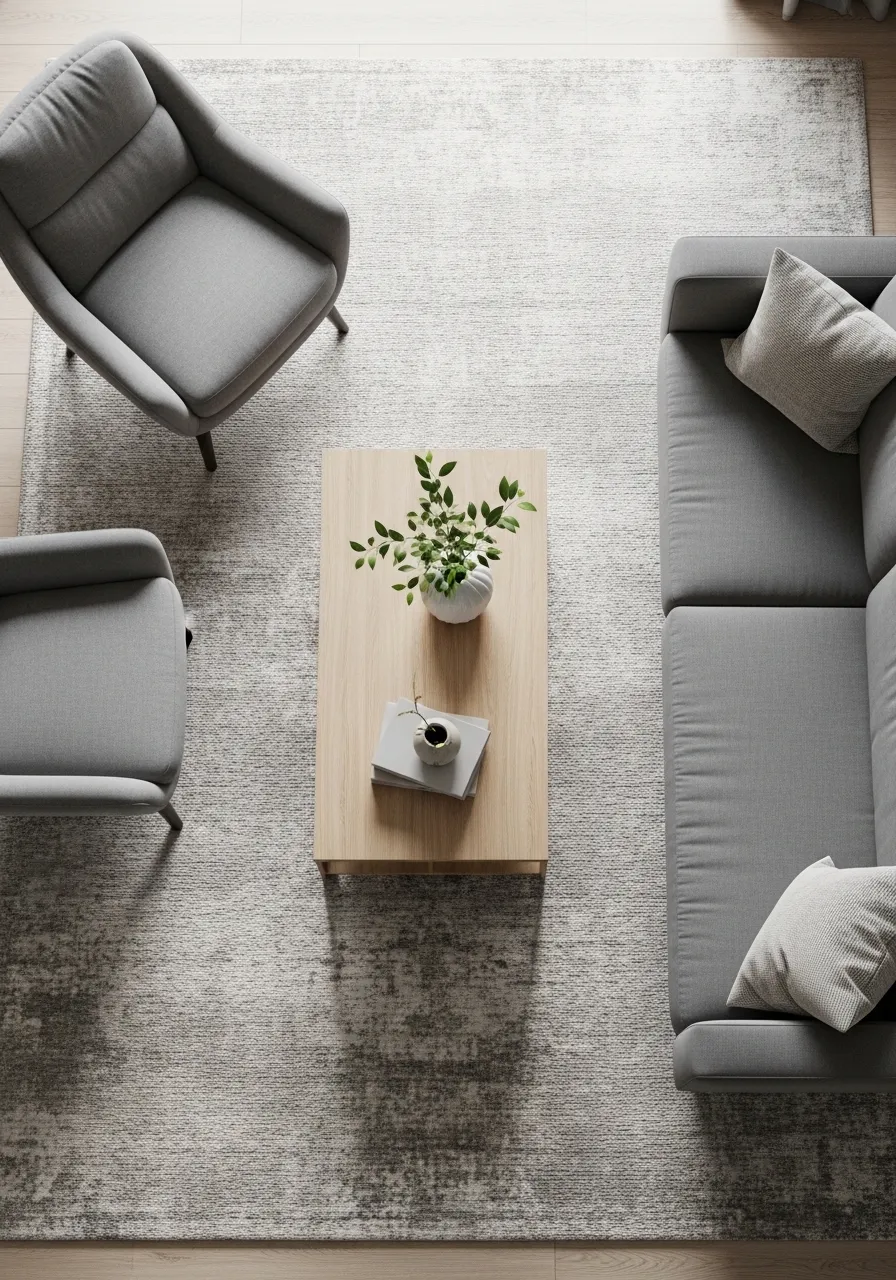
The general rule for a living room is that all the front legs of every sofa and armchair in the seating arrangement should sit on the rug. This connects all the furniture pieces into one unified grouping and makes the seating area feel anchored and intentional. If the budget does not allow for a rug large enough to accommodate all four legs of each piece, having at least the two front legs on the rug is the acceptable minimum for a cohesive look.
For a dining room, the rug should be large enough that all chairs remain on the rug even when pulled out from the table for sitting. A rug that is too small causes the chairs to slide off the edge every time someone sits down which looks untidy and feels frustrating in daily use. As a starting point, add at least twenty four inches to each side of the dining table dimensions when choosing a dining room rug size.
In a bedroom, a rug should extend at least eighteen to twenty four inches beyond each side of the bed so that feet land on the soft surface every morning rather than on cold hard flooring. Placing the rug so it sits under the lower two thirds of the bed and extends generously on both sides and at the foot creates the most balanced and luxurious look.
When in doubt, always size up. A larger rug almost always looks more intentional and more beautiful than one that is too small for the space it is meant to anchor.
Choose the Right Texture and Material for Each Space
The texture and material of a rug determines how it looks, how it feels, and how practical it is for the specific room it goes in. Choosing the wrong material for a particular space creates both visual and practical problems that are hard to overlook once you notice them.
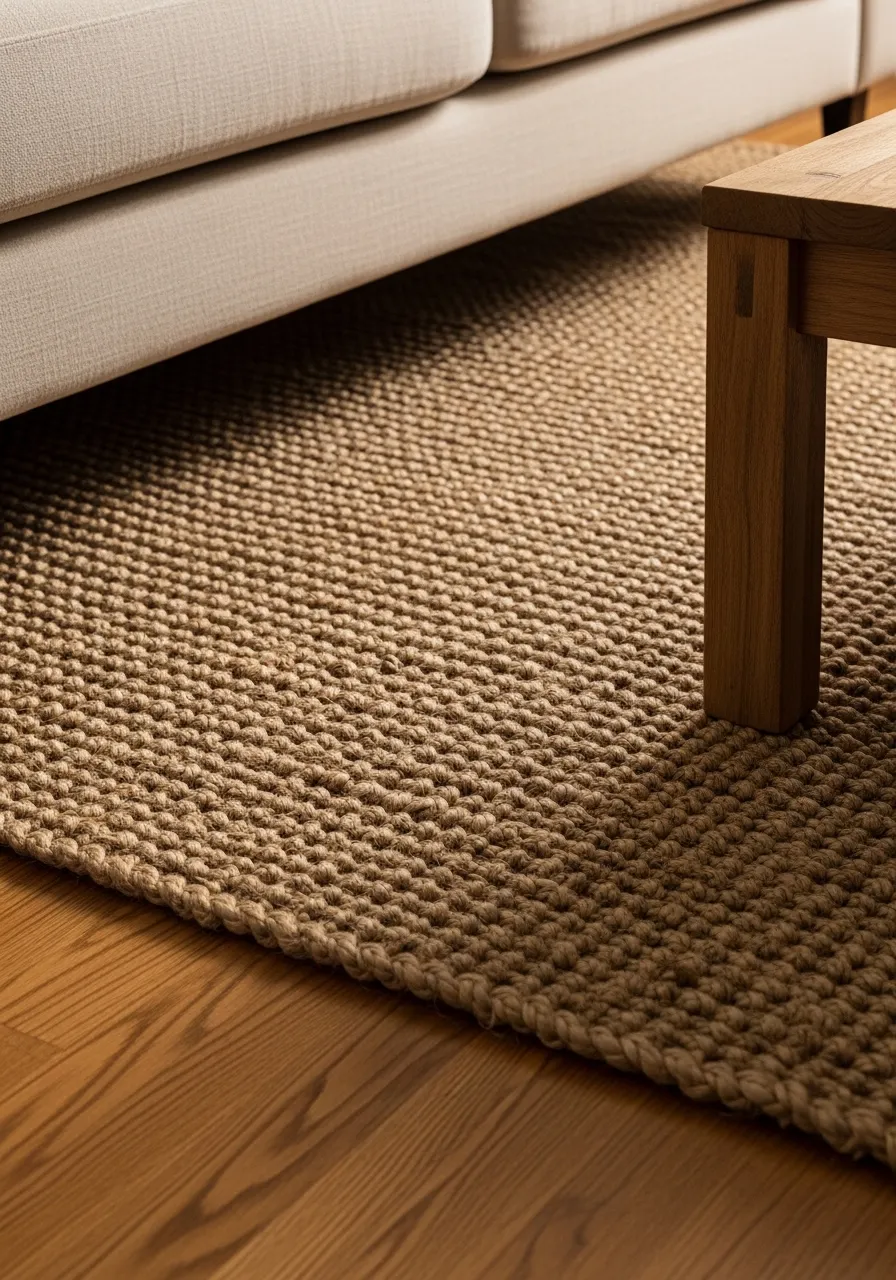
Jute and sisal rugs are among the most popular choices for living rooms and dining areas because of their natural, organic texture that suits almost every decorating style from farmhouse to modern coastal to minimalist. They add warmth and earthiness to a room without competing with any other decorative element and their neutral tones work with virtually any color palette. They are durable and relatively easy to maintain but are not the best choice for spaces with very high moisture levels.
Wool rugs are the most luxurious and long-lasting option available for living rooms and bedrooms. They are soft underfoot, naturally stain resistant to a degree, and age beautifully over time rather than looking worn and tired. A quality wool rug in a classic pattern or a simple solid tone is an investment that pays off over many years of beautiful use.
Cotton rugs are lightweight, washable, and very practical for high traffic areas, kitchens, and children’s rooms where spills and regular cleaning are part of daily life. They are generally more affordable than wool and come in a wide range of colors and patterns that suit more casual and relaxed decorating styles.
Plush and high pile rugs in synthetic or wool blends add an incredible softness to bedrooms that makes stepping out of bed in the morning feel genuinely indulgent. They are less practical in high traffic or dining areas where food and dirt are more likely to settle into the deep pile but in a bedroom they create an unmatched sense of warmth and luxury.
Layer Rugs and Style Them for a Finished Look
Layering rugs is one of the most effective and visually interesting approaches to rug decorating and it is far simpler to pull off at home than most people assume. The combination of two rugs of different textures, patterns, or sizes creates a layered, curated look that adds significant depth and personality to any room.
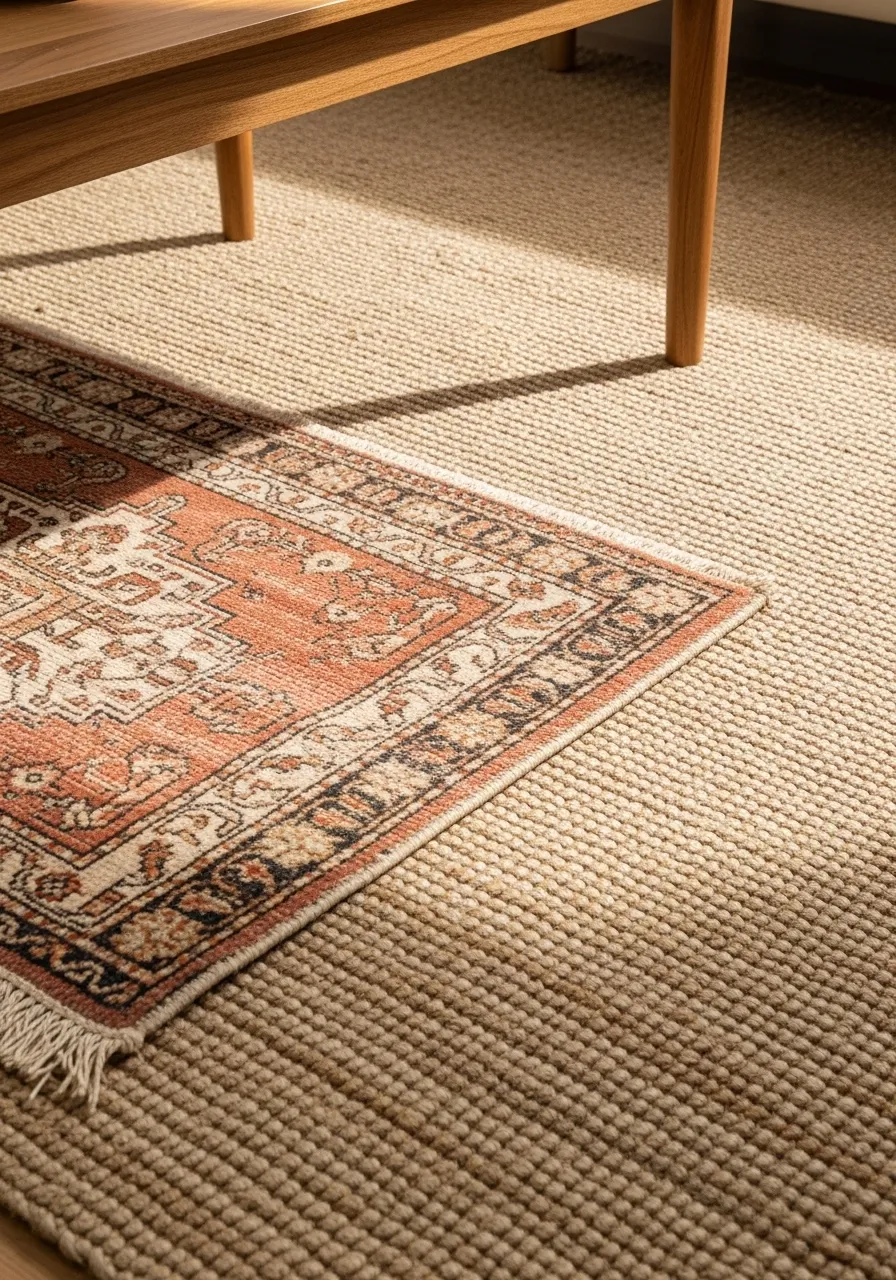
The most common and successful layering approach is placing a smaller, more decorative rug on top of a larger, neutral base rug. A jute or sisal rug as the base with a patterned or colorful woven rug layered on top is a combination that works beautifully in living rooms, bedrooms, and even dining areas. The base rug defines the zone and the layered rug adds the visual interest and personality.
A few finishing details make a decorated rug look intentional and polished rather than simply placed. Always use a rug pad underneath any area rug. A rug pad prevents slipping, protects the flooring beneath, adds cushioning underfoot, and keeps the rug lying flat rather than curling at the edges. It is a small addition that makes a significant difference in both safety and appearance.
Keep the rug centered in the room or centered within the furniture arrangement rather than pushed to one side. A rug that is off-center makes the entire room feel unbalanced even when every other element is perfectly placed. Taking a moment to center the rug properly before arranging furniture on top of it is one of the easiest ways to make the whole room look more considered and complete.
Frequently Asked Questions
What size rug do I need for a living room? The most common and effective sizes for living rooms are eight by ten feet and nine by twelve feet. An eight by ten rug suits most standard living rooms and allows the front legs of sofas and armchairs to sit comfortably on the surface. A nine by twelve works better in larger living rooms where a bigger rug is needed to anchor a more expansive seating arrangement. Always measure your seating area before purchasing and aim for a rug that extends at least six to eight inches beyond the outer edges of the furniture arrangement on all sides.
Can I put a rug on top of carpet? Yes, layering a rug over carpet is a completely acceptable and often very effective decorating approach. Choose a flat weave or low pile rug rather than a high pile one so the layers do not create too much height difference underfoot. A rug with a strong pattern or a bold color works particularly well over a neutral or low-key carpet because it defines the zone within the room clearly. Use rug grippers or a thin rug pad between the rug and the carpet to prevent the top rug from sliding around during daily use.
What rug material is easiest to clean and maintain? Cotton rugs are the easiest to clean because many can be machine washed at home. For larger rugs that cannot be machine washed, polypropylene and other synthetic fiber rugs are the most stain resistant and easiest to spot clean with basic household cleaning products. Wool rugs are naturally resistant to some stains and easy to vacuum but require professional cleaning for deeper washes. Jute and sisal rugs are the most difficult to deep clean because moisture can damage the natural fibers so keeping them dry and vacuuming regularly is the best maintenance approach.
How do I stop my rug from sliding on hardwood floors? A quality rug pad placed between the rug and the floor is the most effective and long-lasting solution. Rug pads grip both the rug and the floor surface simultaneously and prevent any movement during daily use. They are available in custom sizes that can be cut to match any rug dimension and they also add a layer of cushioning underfoot that makes the rug significantly more comfortable to walk on. Avoid using tape or adhesive directly on hardwood floors as these can damage the finish over time.
Complete Every Room with the Right Rug
A well-chosen and well-placed rug is the finishing touch that transforms a room from a collection of furniture pieces into a cohesive, complete, and beautifully styled space. Get the size right first, choose a material that suits the room’s function, and layer with intention to add depth and personality. Every room in your home deserves this final layer, and once you experience the difference a great rug makes, you will never want to leave a floor bare again. Save this guide and use it the next time you are ready to complete a room that has been missing its anchor.