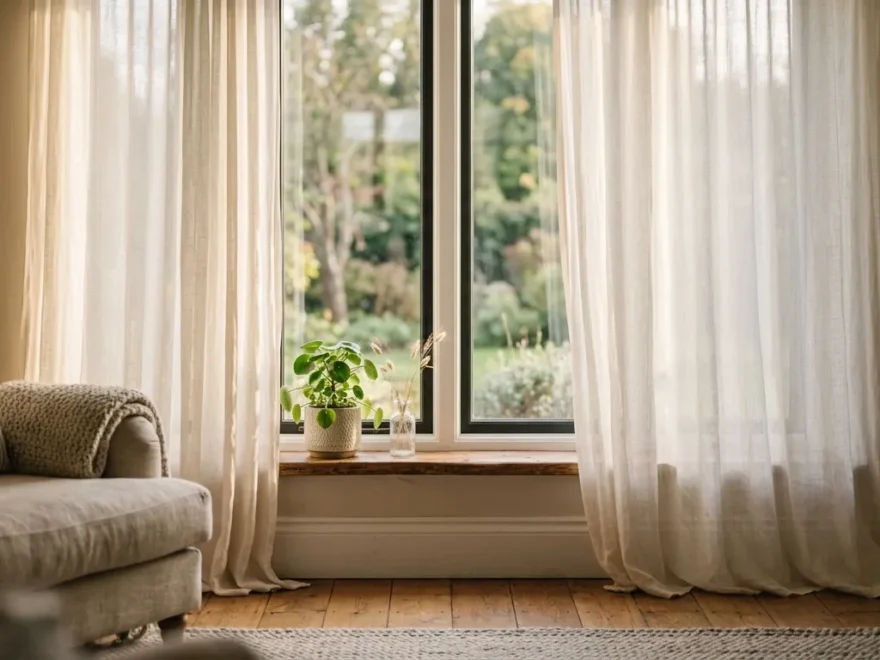
Curtains do more than cover a window. They set the mood of a whole room in one soft move. If you want a home that feels calm, warm, and a little dreamy, the right curtain choice can get you there without a big budget. This list walks through 22 simple ways to bring a soft, gentle look into any room using curtains. Each idea comes with a practical tip so you can try it this weekend, not someday. Whether you rent your place or own it, these ideas work with what you already have and just a small trip to the fabric store.
1. Choose Sheer White Panels for Natural Light
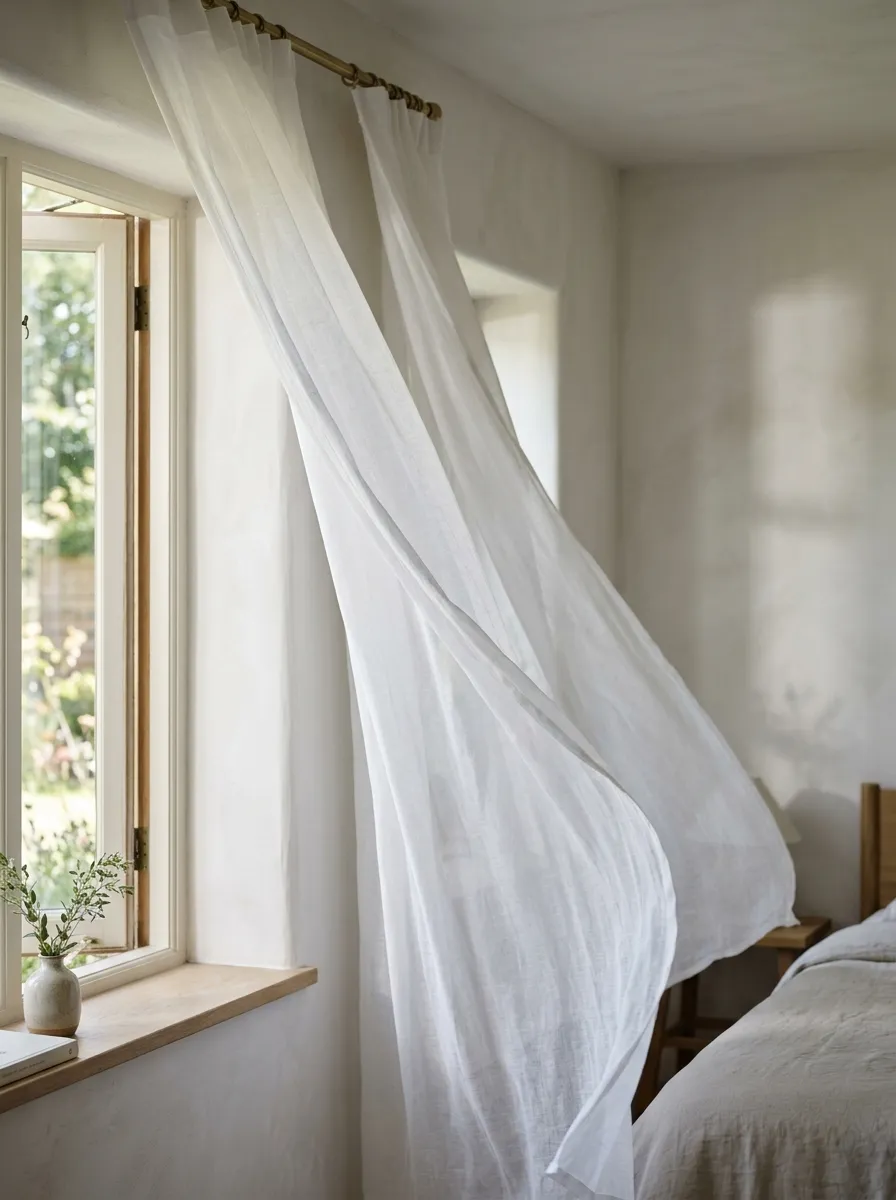
Sheer white panels are the easiest way to soften a room. They let light pass through while adding a light layer of privacy. The fabric moves with the breeze, which gives any room a calm feel. You can find sheer panels at almost any home store for a small price. Look for polyester or voile fabric since both wash easily and dry fast. Hang them on a simple tension rod if you rent your place, so there is no need to drill holes. For a soft layered look, pair sheer panels with a thicker curtain behind them. Open the heavy layer during the day and let the sheer one filter the sun. At night, close both for privacy and warmth. Try washing your sheers once a month to keep them looking bright and free of dust. If you want a DIY touch, dye a plain sheer panel with a pale tea bath for a warm ivory shade instead of stark white. This trick costs almost nothing and gives your window a soft, aged look that fits cottage style rooms well.
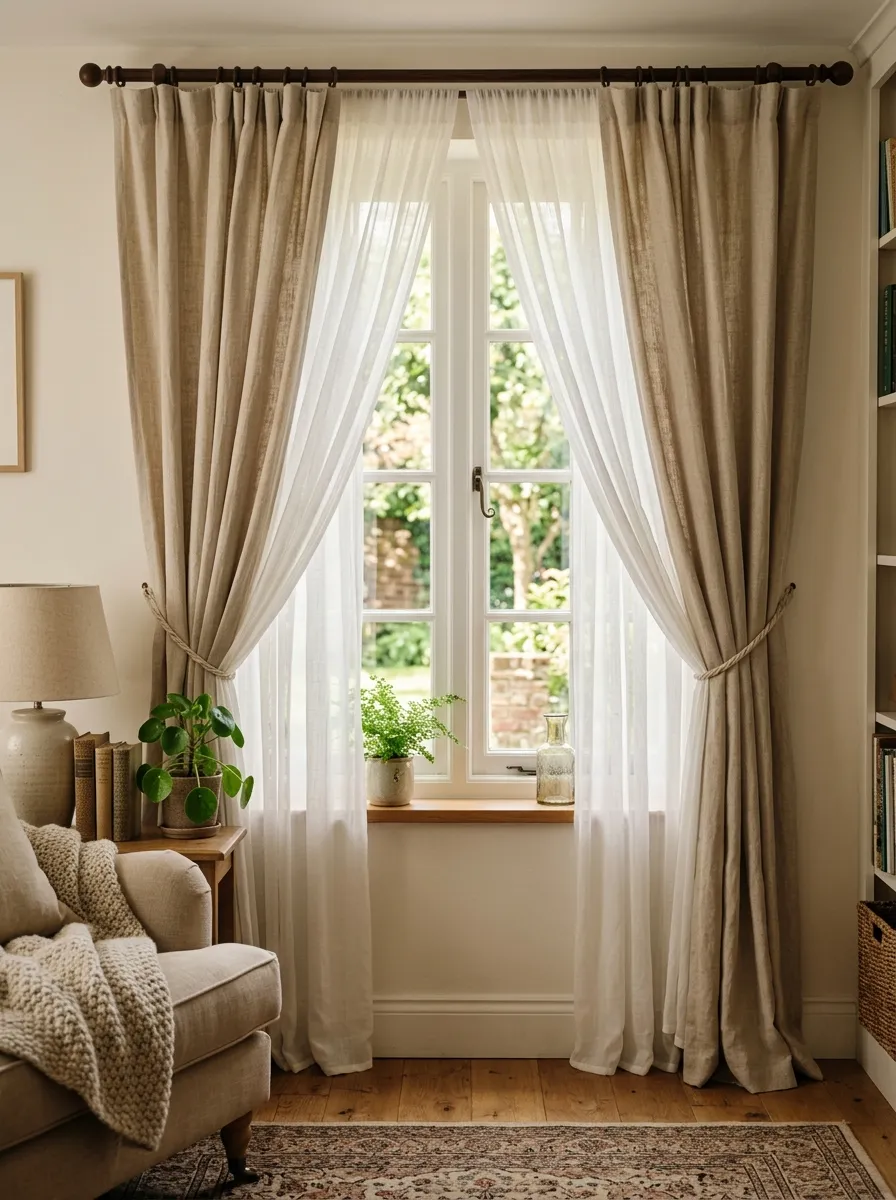
2. Layer Two Fabric Weights on One Rod
3. Add a Valance for a Soft Top Finish
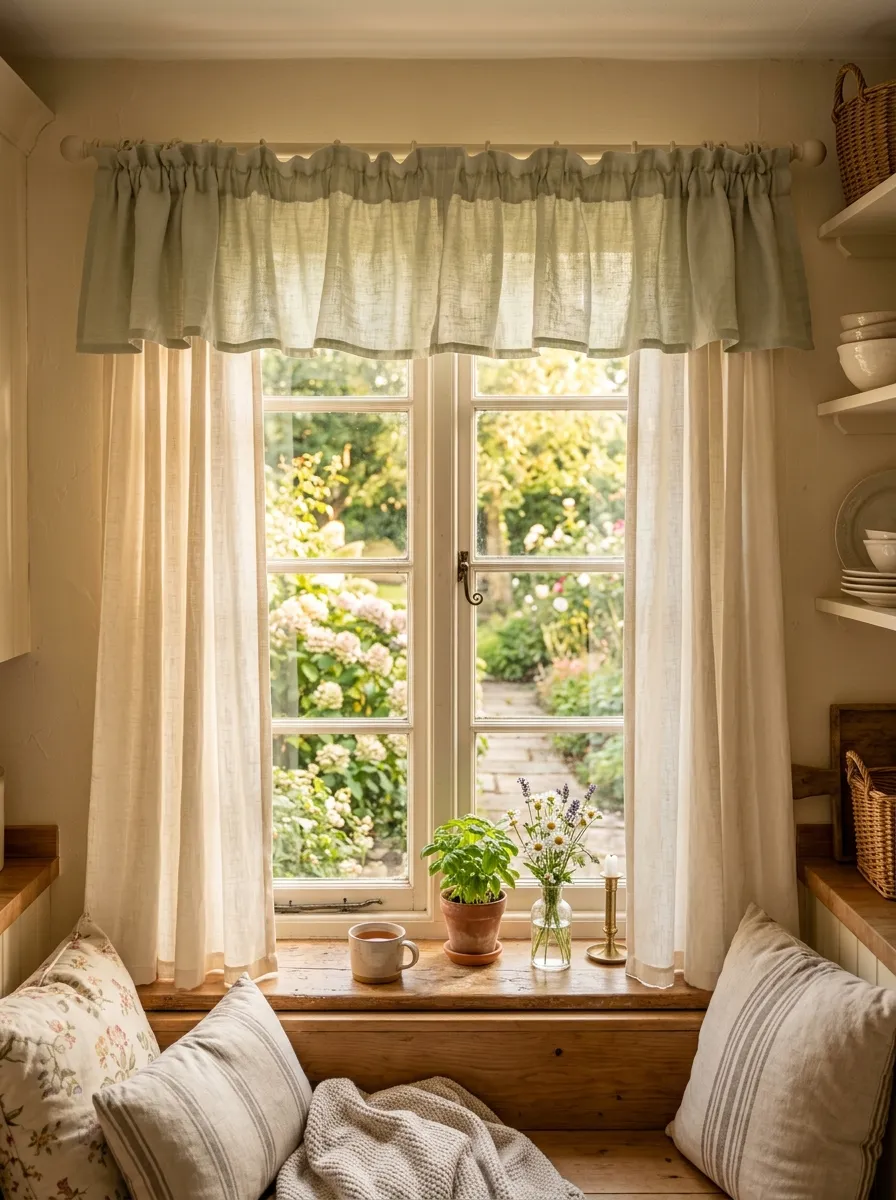
A valance is a short piece of fabric that sits at the top of a window and hides the curtain rod. It gives a finished, tailored look without covering the whole window. Valances work well in kitchens, bathrooms, and small rooms where full curtains might feel heavy. You can sew a simple valance from a yard of fabric and a basic rod pocket, no special skills required. If sewing is not your thing, iron on hem tape can hold the fabric fold in place instead. Pick a soft pastel or floral print to add a gentle touch above plain curtain panels. A budget tip is to repurpose an old tablecloth or bedsheet instead of buying new fabric. Many secondhand shops sell linens for a dollar or two that work well for this project. Keep the valance shallow, around twelve to fifteen inches, so it does not block too much light. This small addition changes the whole shape of your window and gives the room a softer, more finished feel in under an hour of work.
4. Try Linen Curtains for a Relaxed Texture
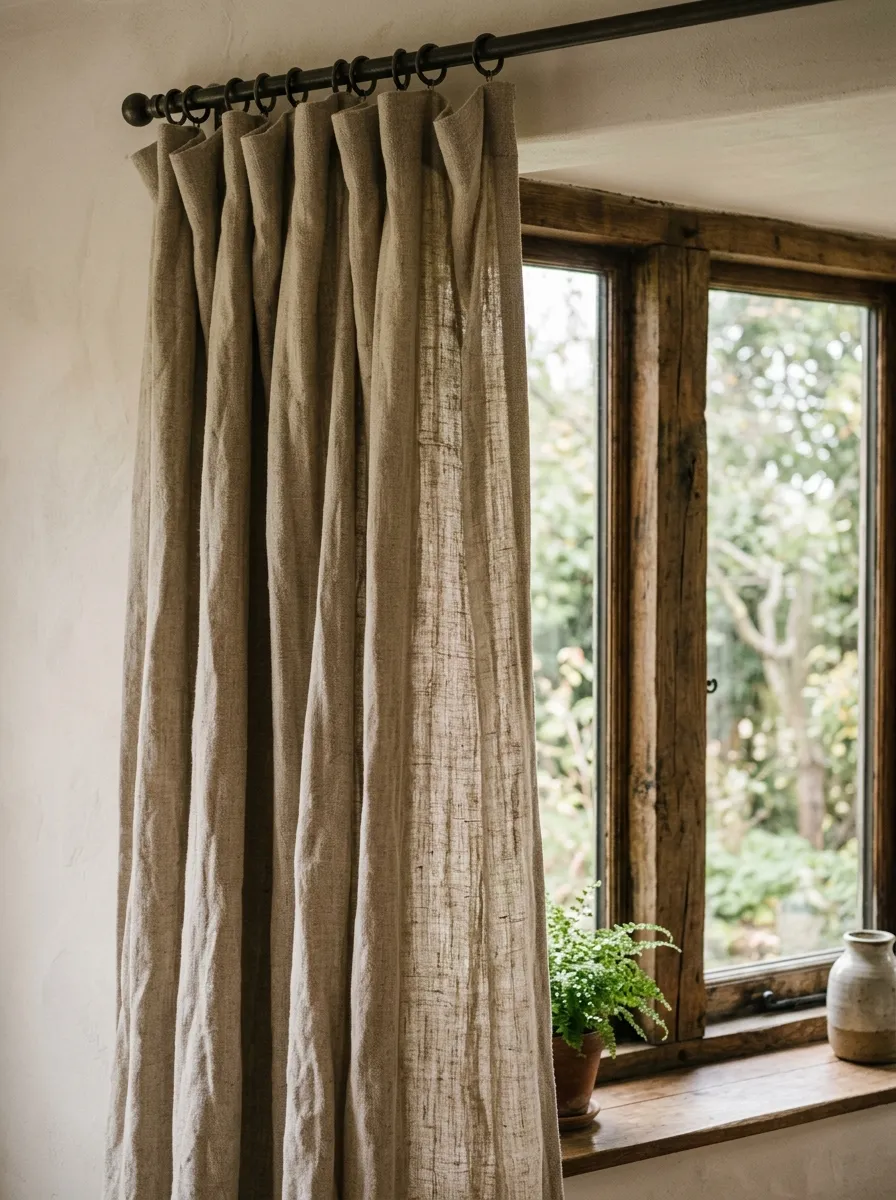
Linen has a relaxed, slightly wrinkled texture that gives any room a calm, lived in feel. Unlike stiff polyester, linen drapes with natural folds that catch light in a soft way. It works well in bedrooms and living rooms where you want a gentle, unfussy look. Linen can cost more than polyester, but you can find budget options at fabric outlets or online sales. Buying fabric by the yard and hemming it yourself costs much less than ready made panels. A simple straight stitch along the bottom edge is all you need, no fancy sewing machine required. For a soft, worn in look, wash the linen a few times before hanging it, since this softens the fibers and adds gentle texture. Choose light colors like oatmeal, sand, or soft gray to keep the room airy. Linen also holds up well in humid rooms since it breathes better than heavier fabrics. If you want a quick DIY project, buy a plain linen bedsheet and cut it into panel sizes instead of raw fabric, which saves both time and money.
5. Use Scalloped Edges for a Feminine Touch
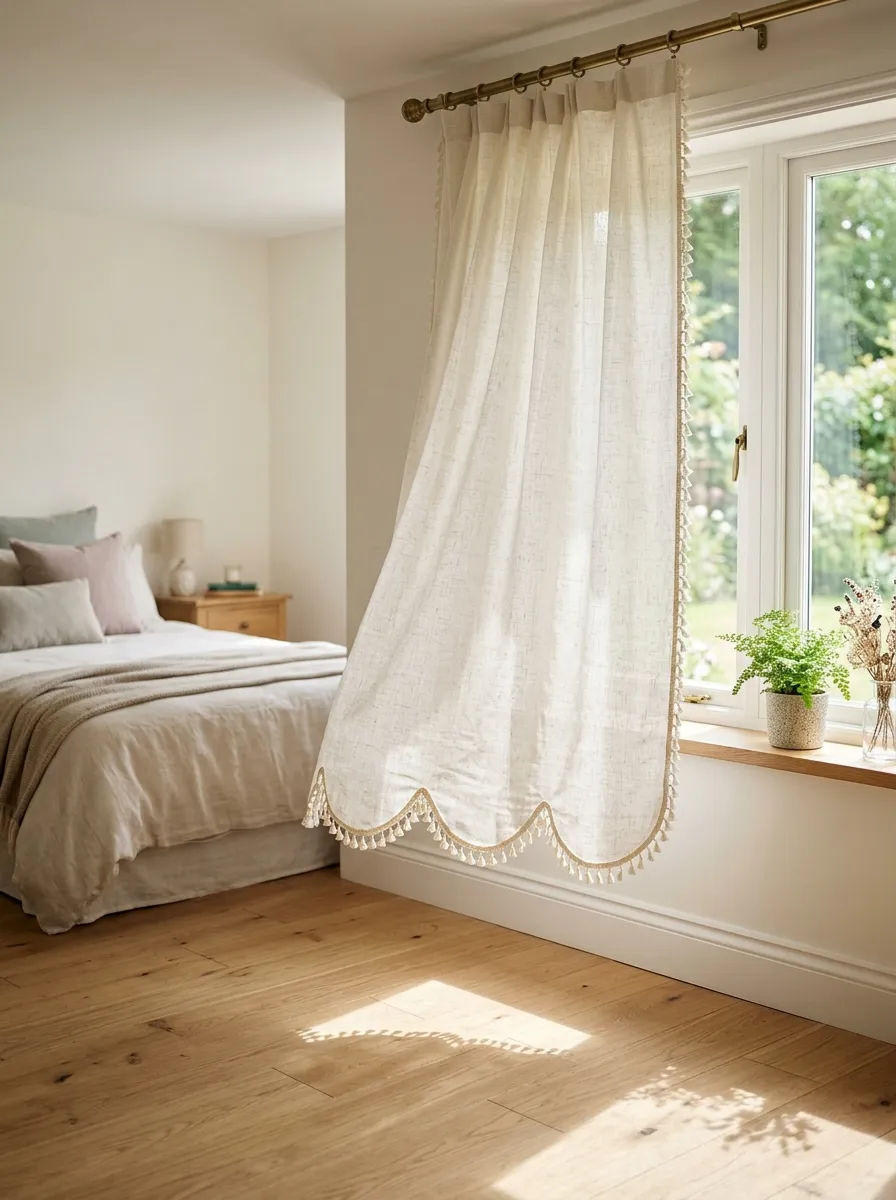
Scalloped edges add a gentle wave along the bottom of a curtain instead of a straight cut. This small detail gives a soft, feminine touch to any window without changing the whole design. You can buy curtains with a scalloped hem already sewn, or add the detail yourself with a simple template and fabric scissors. Cut the wave pattern using a plate or bowl to trace even curves before cutting the fabric. Add a line of stitching along the curved edge to stop fraying, or use fray check liquid for a no sew option. This works well on cafe curtains, valances, or short panels in a nursery or reading nook. A budget tip is to practice the scallop cut on a cheap fabric scrap first, then move to your actual curtain fabric once you feel confident. Pick a color that already exists in your room, like a pale pink or soft blue, so the scalloped curtain feels part of the space rather than an add on. This detail costs very little but gives a custom, tailored look that store bought curtains rarely offer at a low price point.
6. Hang Curtains Higher Than the Window Frame
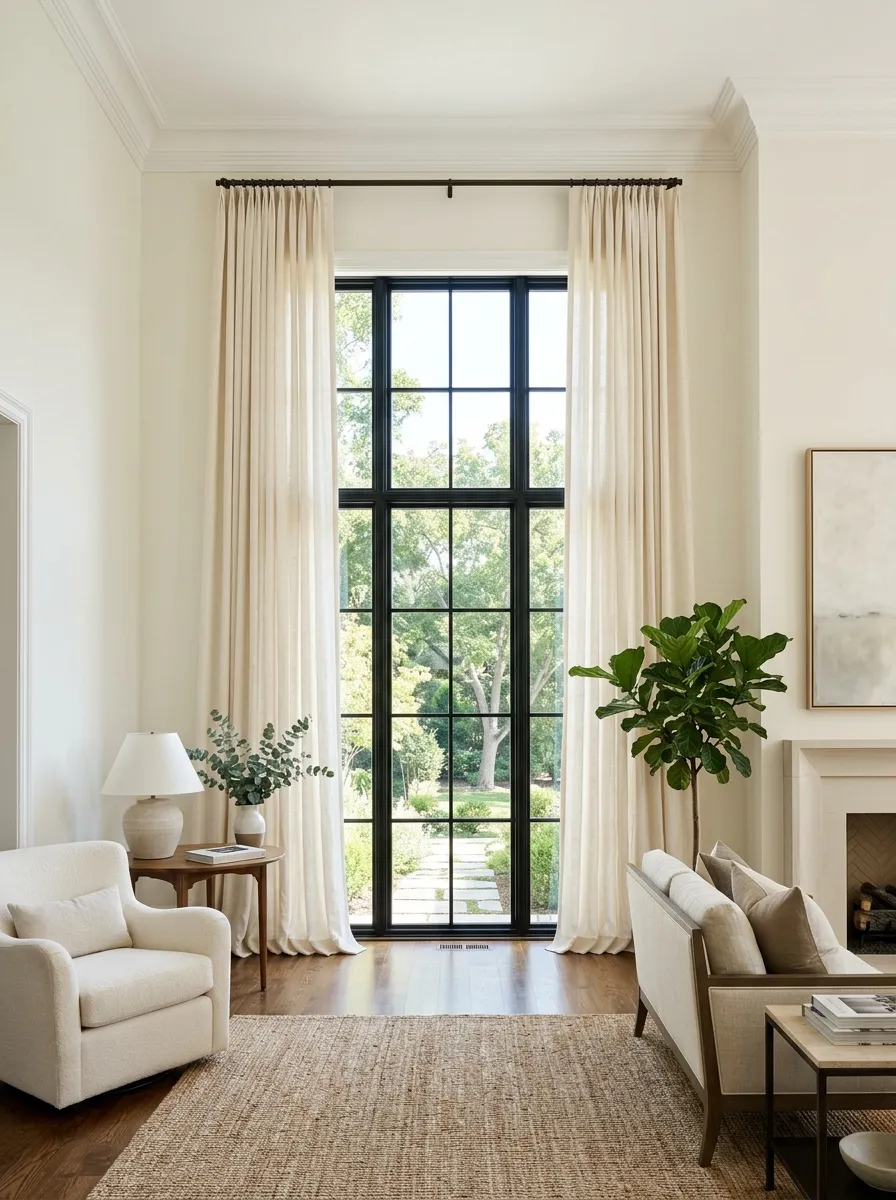
Where you mount the rod changes how a room feels more than almost any other choice. Hanging the rod six to twelve inches above the window frame makes the ceiling look taller and the whole room feel more open. This trick costs nothing extra since it just changes where you place the existing hardware. Pair the higher rod with long panels that touch or slightly pool on the floor for a soft, flowing look. If your current curtains are too short for the new height, add a few inches of matching fabric to the top hem instead of buying new panels. This small sewing fix keeps your budget low while still getting the taller look. Use a level when mounting the rod so it sits straight, since a crooked rod stands out more than people expect. A budget tip is to borrow a stud finder from a neighbor or hardware store instead of buying one, since you will only need it for a few minutes. This one change gives a soft, elegant lift to any room without spending money on new curtains at all.
7. Pick Soft Pastel Tones Over Bold Prints
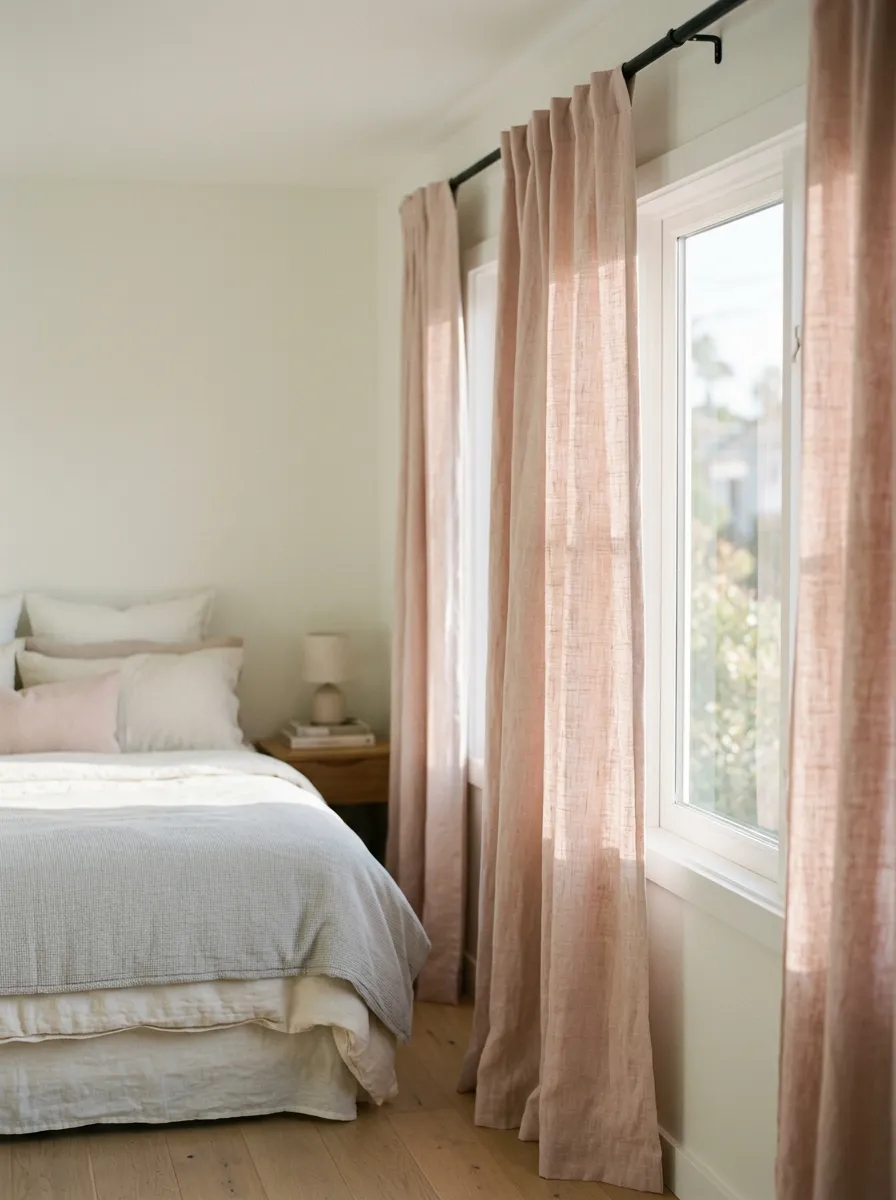
Bold prints can overwhelm a small room, but soft pastel tones bring a gentle calm instead. Colors like blush pink, sage green, powder blue, and buttery yellow work well because they reflect light rather than absorb it. This keeps rooms feeling bright even with the curtains closed. When shopping on a budget, look at the clearance section for solid color panels rather than patterned ones, since plain fabric often costs less. If you already own patterned curtains, consider dyeing them a solid pastel shade using a fabric dye bath at home. This DIY project takes about an hour and can completely change the mood of a room for the price of one dye box. Pastel curtains also pair well with almost any wall color, so you will not need to repaint when you update your decor. Stick to one or two pastel shades in a room rather than mixing several, since too many soft colors can start to compete with each other. A single calm color family keeps the whole space feeling soft and put together.
8. Add Tiebacks for a Draped Look
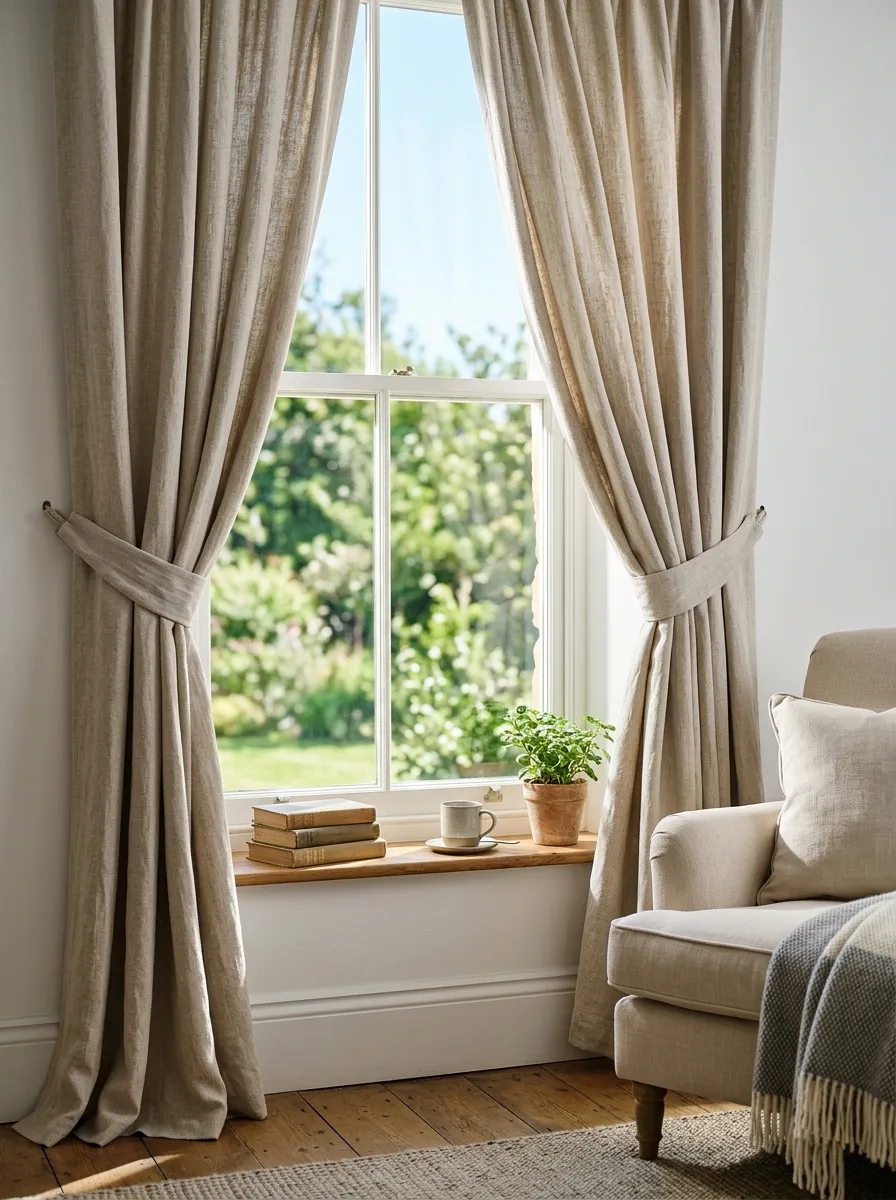
Tiebacks pull curtain panels to the side and hold them in soft, draped folds. This lets more light into a room while still keeping the curtain fabric on display. You can buy simple rope or fabric tiebacks for a few dollars, or make your own from leftover fabric scraps. A basic braid of three fabric strips tied at each end makes an easy no sew tieback in under ten minutes. Attach a small hook to the wall at about two thirds of the curtain height to hold the tieback in place. If you do not want to drill into the wall, look for adhesive hooks rated for the weight of light curtain fabric instead. Tiebacks work well in kitchens and living rooms where you want light during the day but privacy at night. Try matching the tieback fabric to a throw pillow or blanket already in the room for a pulled together look. This small addition costs very little and gives curtains a soft, romantic shape instead of just hanging flat against the window all day.
9. Choose Rod Pocket Curtains for Soft Gathers
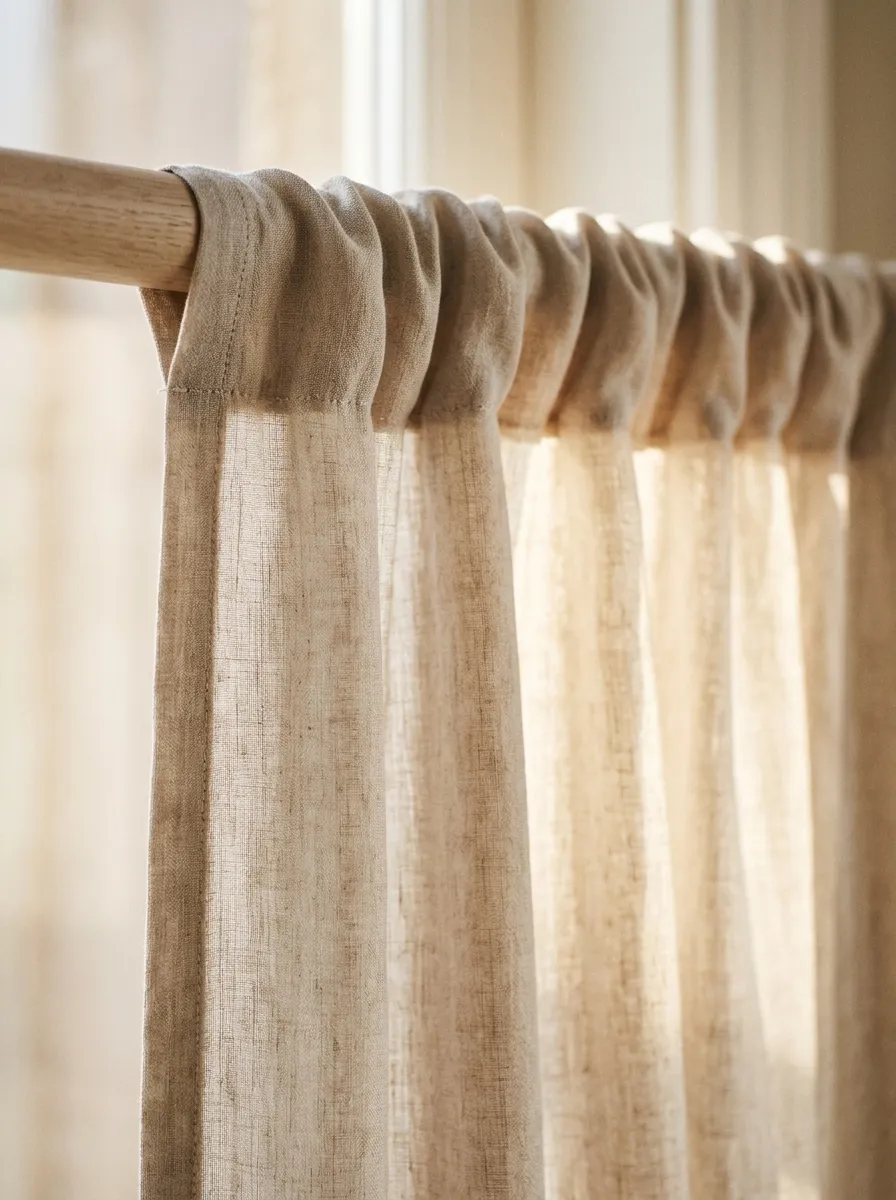
Rod pocket curtains have a sewn channel at the top that the rod slides through, which naturally gathers the fabric into soft waves. This style gives a relaxed, cozy look compared to flat panels with grommets or rings. Rod pocket curtains are also one of the easiest styles to sew at home, since the pocket is just a folded hem stitched along the top edge. Measure your rod width and add a few extra inches of fabric for the gather effect. A budget tip is to buy fabric during seasonal sales, since cotton and linen blends often drop in price after major holidays. This curtain style works well in bedrooms and nurseries where a soft, informal look fits better than a tailored one. Keep the fabric slightly loose on the rod rather than pulled tight, since a little slack creates fuller, softer folds. If you already own flat panel curtains, you can add a simple sewn pocket to the top instead of buying new ones, which saves money while updating the whole look of your window.
10. Use Café Curtains for Partial Privacy
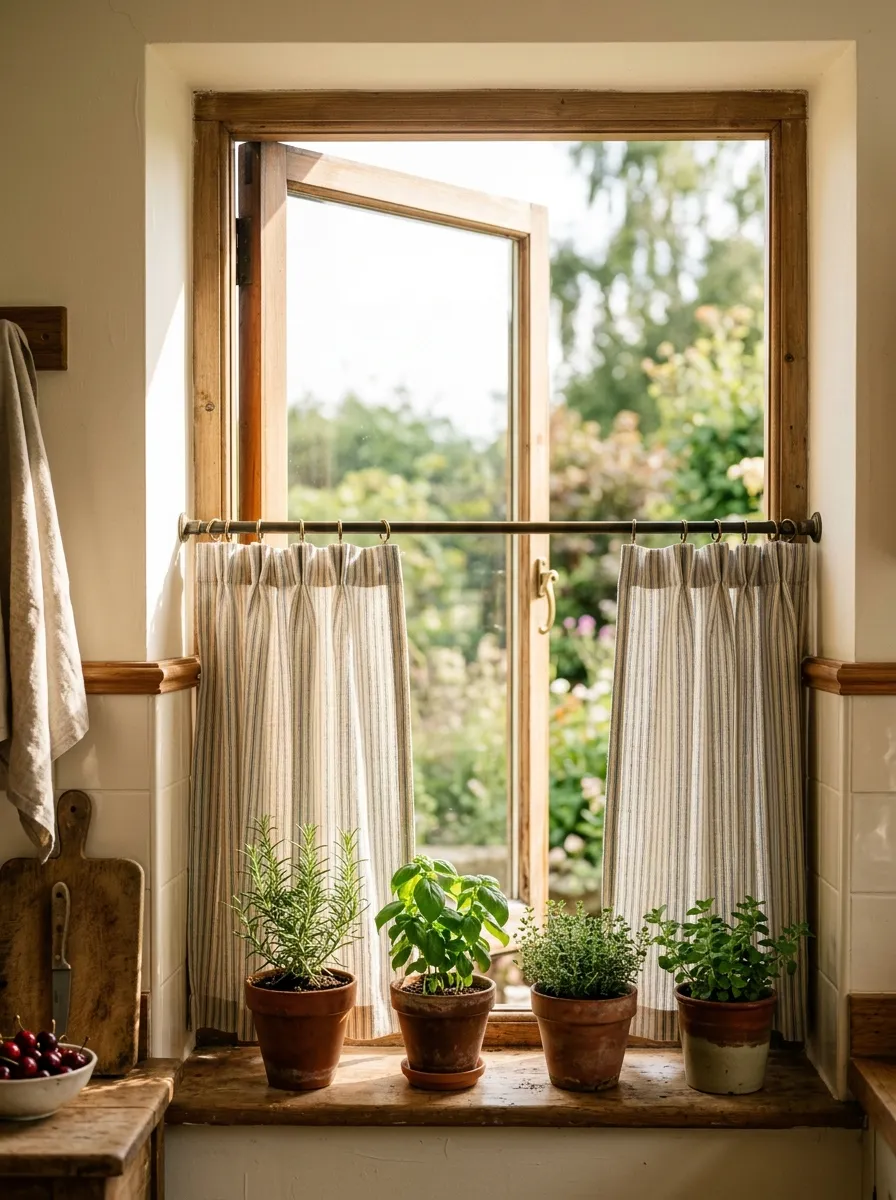
Café curtains cover only the bottom half of a window, leaving the top open for natural light. This style works well in kitchens and bathrooms where full privacy is not always needed but some coverage helps at eye level. A simple rod mounted at the middle of the window frame holds the short panel in place. You can make café curtains from almost any leftover fabric since the panels are small and use less material than full length curtains. A budget tip is to repurpose a cloth napkin set or a small tablecloth instead of buying new fabric. Hem the edges with a basic straight stitch or fabric glue if sewing is not an option. Choose a light gingham or small floral print for a soft country style feel in the kitchen. Café curtains also work well over a bathroom window where you want privacy from the street but still want sunlight coming through the top. This style costs very little and takes less than an hour to make from start to finish.
11. Add Ruffled Trim Along the Edges
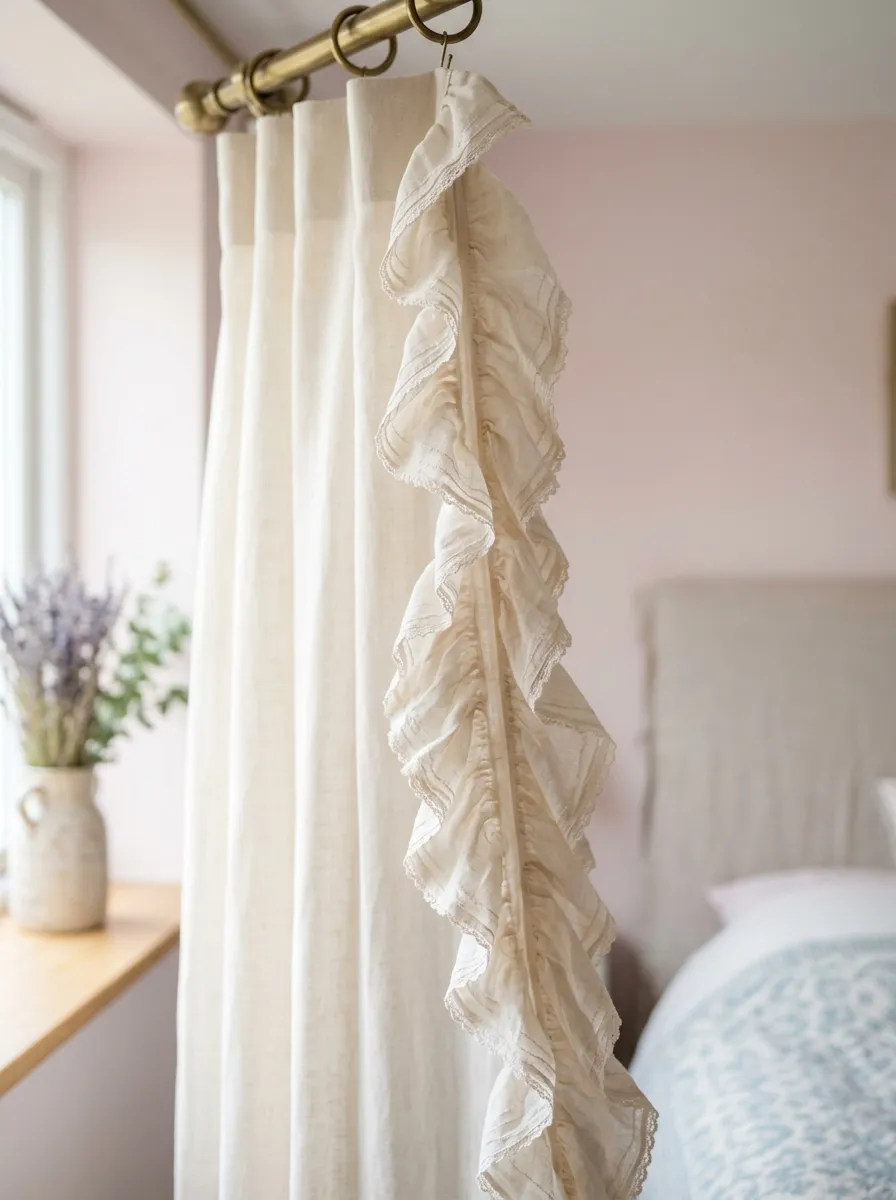
Ruffled trim adds a soft, textured edge to plain curtain panels without much extra cost. You can buy pre made ruffle trim by the yard at most fabric stores and sew it along the outer edge of an existing curtain. This small addition gives a handmade, cottage style feel to even the plainest fabric. If sewing feels tricky, fabric glue made for clothing works as a no sew option, though it may not hold up as well after washing. A budget tip is to cut your own ruffle strips from scrap fabric using a simple running stitch to gather the edge, which costs almost nothing compared to store bought trim. Keep the ruffle width narrow, around one to two inches, so it adds texture without overwhelming the curtain. This detail works especially well on cafe curtains, valances, or curtains in a child’s room. Pick a trim color that matches or gently contrasts with the main fabric, like white ruffles on a pale blue curtain. This small project takes an afternoon and gives a soft, custom touch to plain curtains.
12. Choose Cotton Voile for Airy Movement
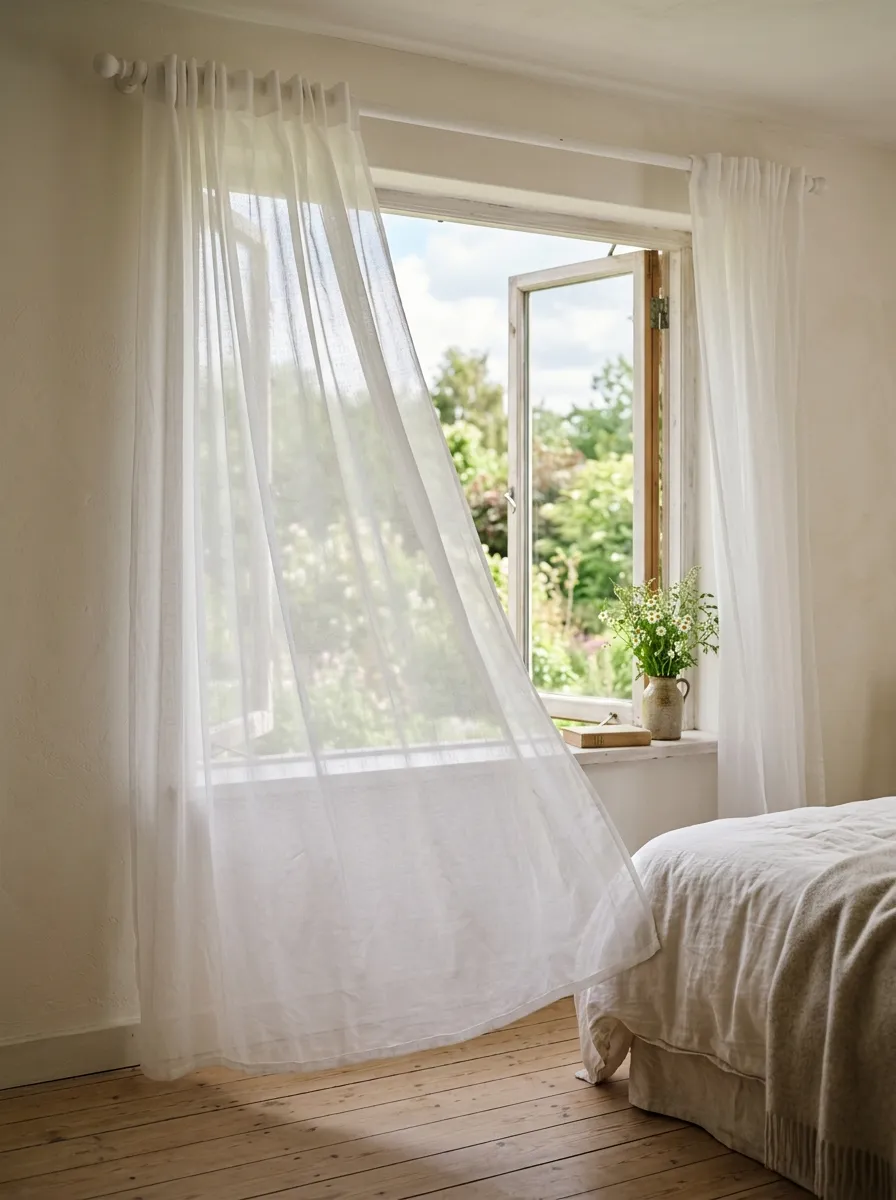
Cotton voile is a light, breathable fabric that moves easily with even a small breeze. It gives curtains a soft, floaty quality that heavier fabrics cannot match. Voile works well in warm climates or rooms that get direct sun, since it lets in plenty of light while still softening the view. You can find voile fabric at a low price per yard compared to linen or silk blends. A simple straight hem along the top and bottom is all you need to finish a basic panel. If you want a bit of shape, gather the top with a rod pocket instead of flat pleats. A budget tip is to buy white voile and dye small sections using a dip dye method for a soft ombre effect at home. This project uses one box of fabric dye and a bucket of water, costing very little for a custom look. Voile curtains also wash easily in a machine on a gentle cycle, which makes them practical for busy households. Choose voile for any room where you want light, movement, and a soft touch above heavy privacy needs.
13. Try a Monochrome Curtain and Wall Combo
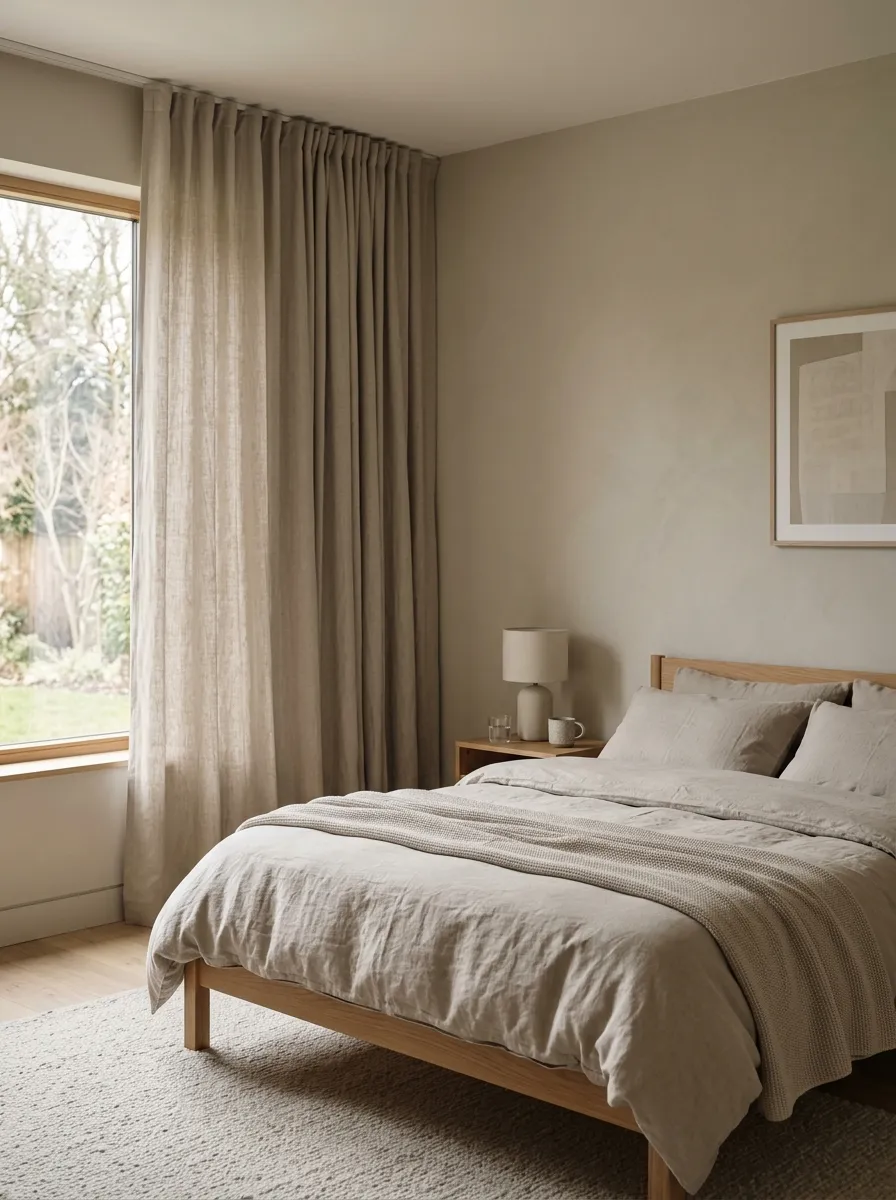
Matching your curtain color closely to your wall color creates a calm, unified look instead of a busy contrast. This trick works well in small rooms where too much color variety can make the space feel cluttered. Pick a curtain fabric in the same shade family as your wall paint, even if it is not an exact match. Slight texture differences between fabric and paint still add interest without breaking the calm effect. A budget tip is to check remnant bins at fabric stores for solid color pieces close to your wall shade, since remnants often sell for much less than full bolts. If you cannot find a close match, consider painting an accent wall to match curtains you already own instead of buying new fabric. This flips the usual process but saves money if your curtains are still in good shape. Monochrome pairing works especially well in bedrooms and home offices where a calm, focused mood matters more than bold design statements. The result feels soft and put together without much visual noise.
14. Use Double Rods for a Layered Shadow Box Look
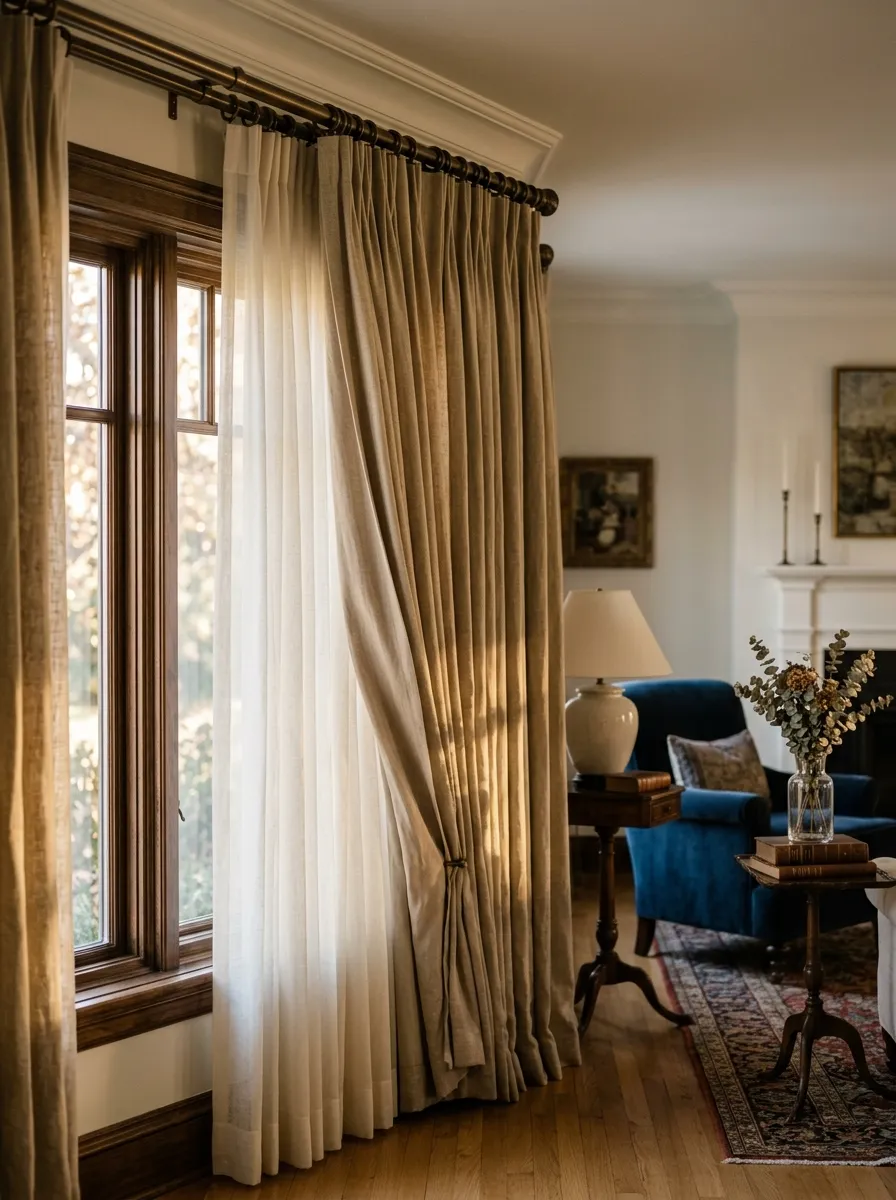
A shadow box style uses two rods mounted close together, with one panel set slightly forward of the other. This creates a layered look with visible depth, almost like a small stage around your window. It works well with curtains in two different but complementary colors, like a cream base layer and a soft sage top layer. A budget tip is to use two cheap tension rods rather than a fixed double rod bracket, since tension rods cost less and need no drilling. Measure carefully so the front rod sits about two inches closer to the room than the back rod, which creates the layered shadow effect when light passes through both panels. This style adds a bit more effort than a single curtain but does not require any sewing skills beyond a basic hem. Try this look in a dining room or living room where the window is a main focal point. The layered shadows created by both fabrics catching light differently give the whole setup a soft, dimensional quality that flat curtains cannot match.
15. Add a Bow or Knot Detail at the Top
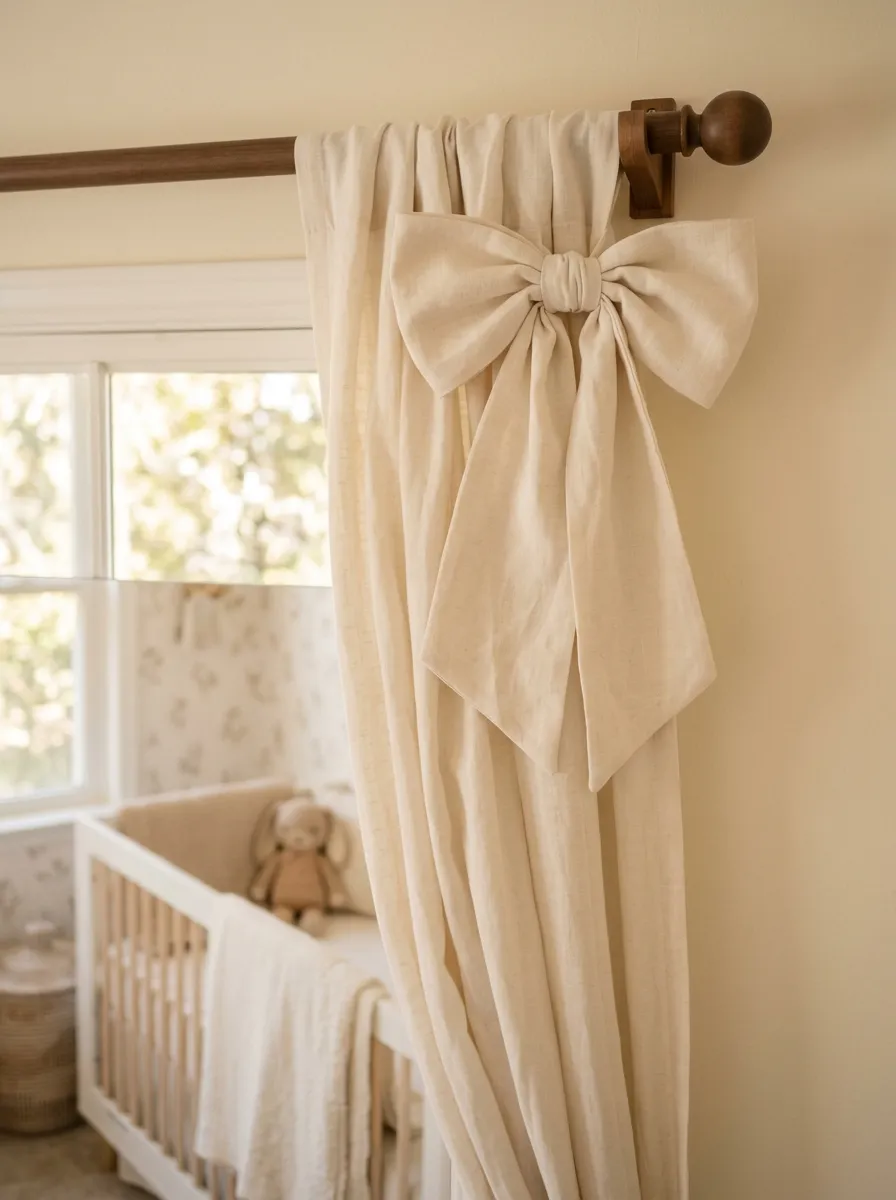
A small bow or knot at the top of a curtain panel adds a playful, soft detail without much effort. This works especially well on tab top curtains, where you can simply tie the fabric tabs into loose bows instead of leaving them flat. For curtains without tabs, sew two thin fabric strips near the top edge that can be tied by hand once the panel is hung. A budget tip is to cut the tie strips from leftover fabric scraps rather than buying new material, since even small pieces work for this detail. This style suits a child’s room or a cottage style bedroom where a slightly whimsical touch fits the overall mood. Keep the bows loose and soft rather than tight and stiff, since a relaxed knot looks more natural and matches the gentle theme of the room. Try alternating tie colors, like a pale yellow strip next to a soft white one, for a bit of variety along the top of the curtain. This tiny addition takes only a few minutes but changes the whole feel of a plain panel.
16. Choose Curtains That Pool Slightly on the Floor
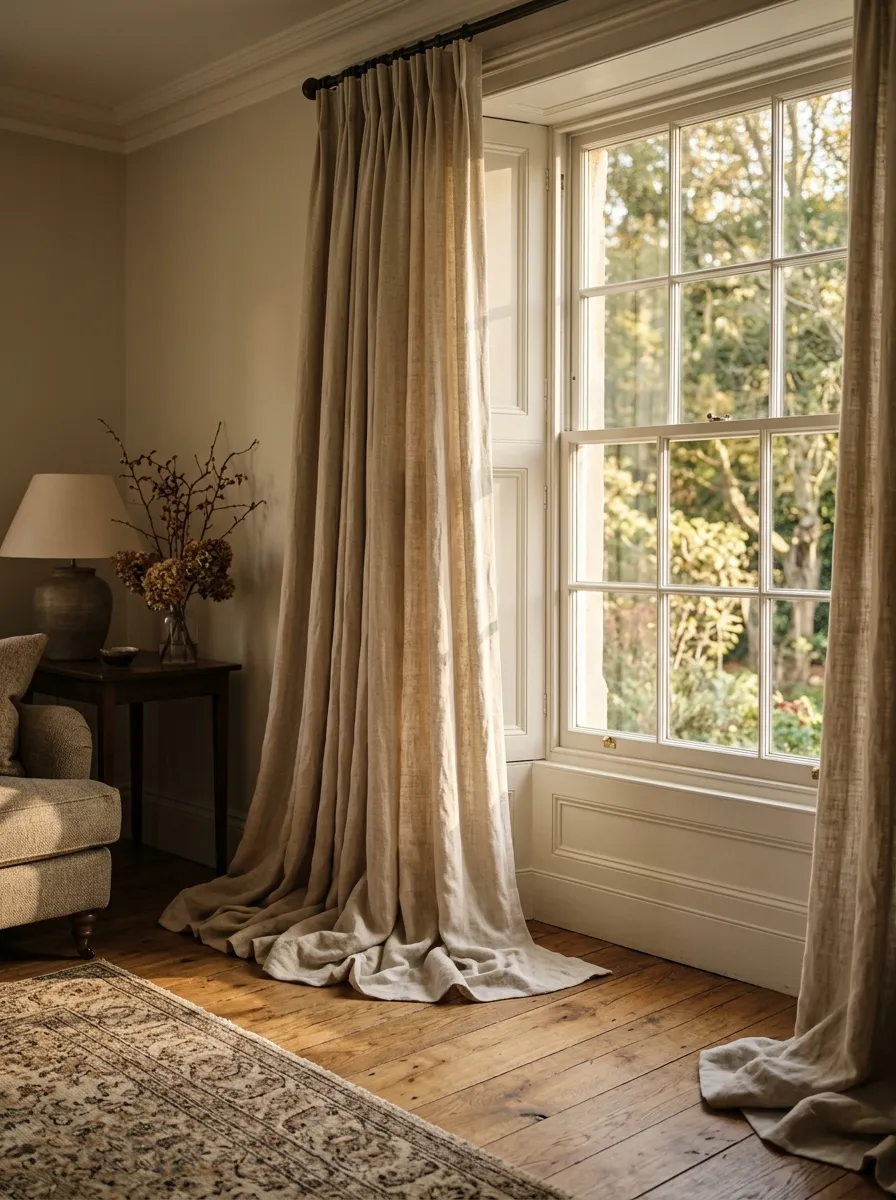
Letting curtains pool a few inches on the floor gives a soft, relaxed elegance that stops right at the frame never achieves. This look works best with lightweight fabrics like linen or cotton voile, since heavier materials can look bulky when bunched. Measure your curtain length so the fabric extends two to four inches past the floor, then let it fall naturally into soft folds. A budget tip is to buy curtains slightly longer than needed from a discount store rather than paying for a custom length, since many stores sell standard long panels at the same price as shorter ones. If your current curtains are too short, consider adding a fabric band at the bottom in a matching or contrasting color to extend the length instead of buying new panels entirely. This pooling effect works well in formal living rooms or bedrooms where you want a soft, romantic touch. Keep the folds loose and uneven rather than perfectly arranged, since a slightly imperfect pool of fabric looks more natural and calm.
17. Use Botanical Prints for a Gentle Pattern
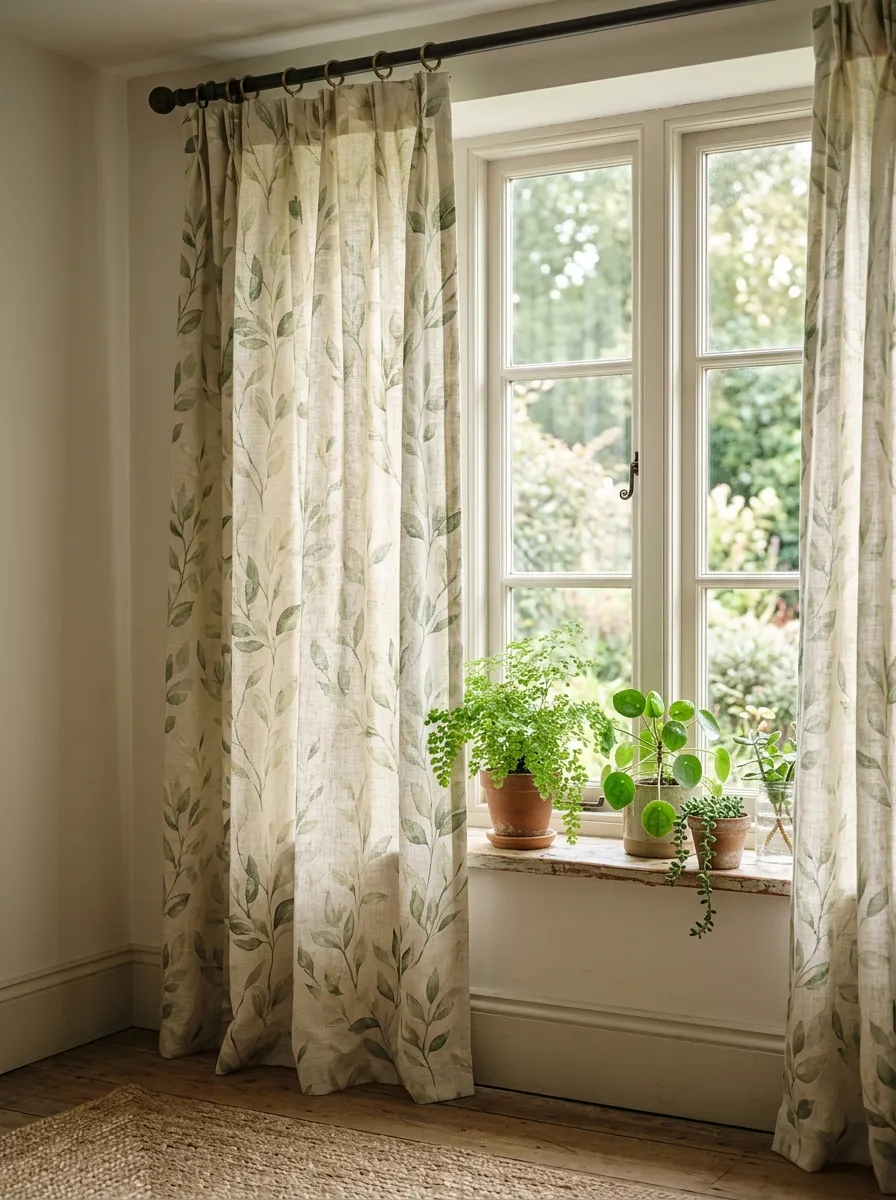
A soft botanical print brings a gentle pattern into a room without the boldness of large florals or geometric designs. Look for small leaf or vine patterns in muted colors like sage, cream, and soft olive, since these tones stay calm rather than busy. Botanical prints work especially well in rooms with houseplants already in place, since the curtain pattern echoes the greenery around it. A budget tip is to check clearance racks for botanical print fabric left over from spring and summer collections, since these patterns often go on sale after the season ends. If you want a DIY option, try a simple leaf stamp using a real leaf dipped in fabric paint on plain curtain panels. This project costs very little and gives a one of a kind pattern that no store bought curtain can match exactly. Keep the print scale small if your room is on the smaller side, since large prints can make a tight space feel cluttered. A gentle botanical pattern adds interest while keeping the whole room feeling soft and calm.
18. Add a Contrast Border Along the Bottom Hem
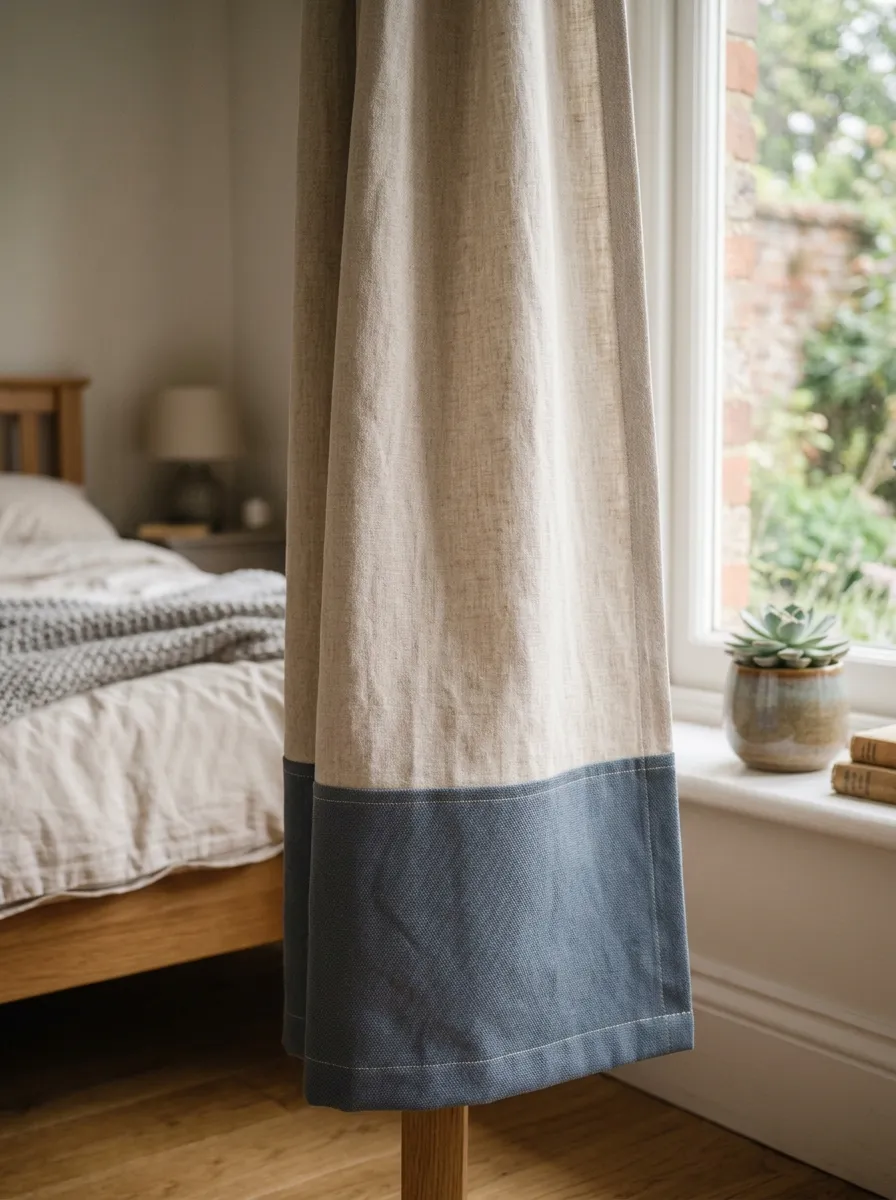
A contrast border adds a small band of a different fabric color along the bottom edge of a plain curtain. This detail gives a tailored, custom look without the cost of buying a fully patterned curtain. Choose a border color that sits close to the main fabric, like a soft gray border on a cream panel, so the contrast feels gentle rather than sharp. Sew the border strip directly onto the bottom hem using a basic straight stitch, or use fusible hem tape for a no sew method. A budget tip is to buy a small fabric remnant for the border instead of a full yard, since most curtains only need a few inches of contrast fabric at the bottom. This detail works well on plain linen or cotton curtains in a living room or bedroom where you want a subtle upgrade without a big fabric budget. Keep the border width consistent across the whole panel, usually between two and four inches, so the finished look appears intentional and neat rather than uneven.
19. Try Ombre Dyeing for a Soft Gradient Effect
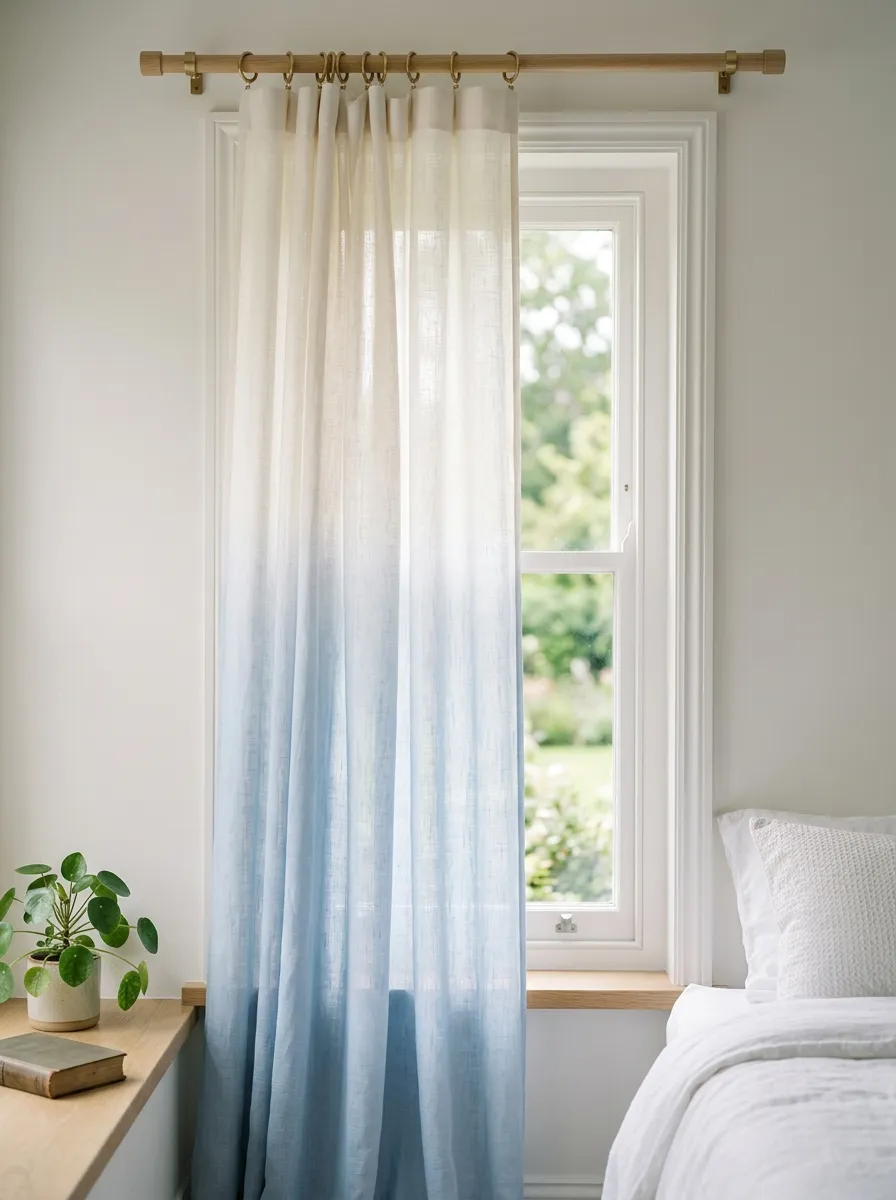
Ombre dyeing creates a soft color gradient that fades from light to slightly darker along the length of a curtain panel. This effect gives a plain white curtain a gentle, artistic touch without needing a printed pattern. You can achieve this at home using a bucket of fabric dye and slowly dipping more of the fabric into the dye bath in stages. Start with the bottom edge and work upward in short dips, letting each layer dry slightly before the next dip for a smooth gradient. A budget tip is to use one box of fabric dye for multiple curtain panels instead of buying dye for each one separately, since a single box often covers several yards of fabric. Choose soft, muted dye colors like blush, sage, or pale blue for a calm effect rather than bright, saturated shades. This project takes an afternoon but gives a completely custom look for the cost of one dye box and some patience. Ombre curtains work well in bedrooms and nurseries where a soft, dreamy mood matters most.
20. Choose Curtains with a Subtle Sheen
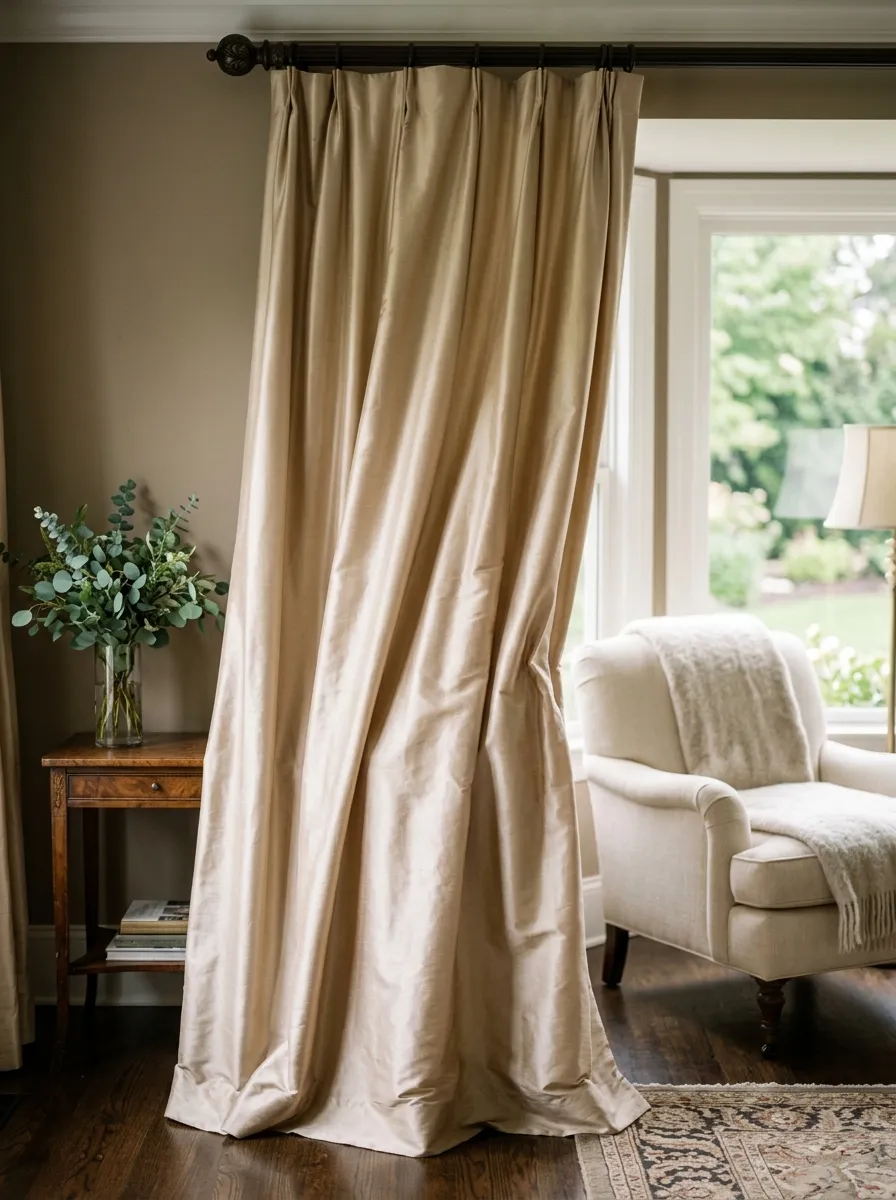
A fabric with a light sheen, like a soft cotton sateen or a light satin blend, reflects window light in a way that flat cotton or linen cannot. This gives curtains a soft glow throughout the day as sunlight moves across the fabric. Choose a subtle sheen rather than a shiny, formal satin, since a gentle shine keeps the look soft instead of overly dressed up. A budget tip is to look for sateen blends at discount fabric stores, since this fabric type often costs close to plain cotton despite its extra shine. Hem the panels with a basic straight stitch, and avoid ironing at high heat since sheen fabrics can sometimes scorch easily. This style works well in dining rooms or living rooms where you want a touch of soft light play without full formality. Pair sheen curtains with simple, plain furniture so the fabric shine stands out rather than competing with other shiny surfaces in the room. This small fabric choice changes how light behaves in a room throughout the day at very little added cost.
21. Use Curtain Rings for Soft Wave Folds
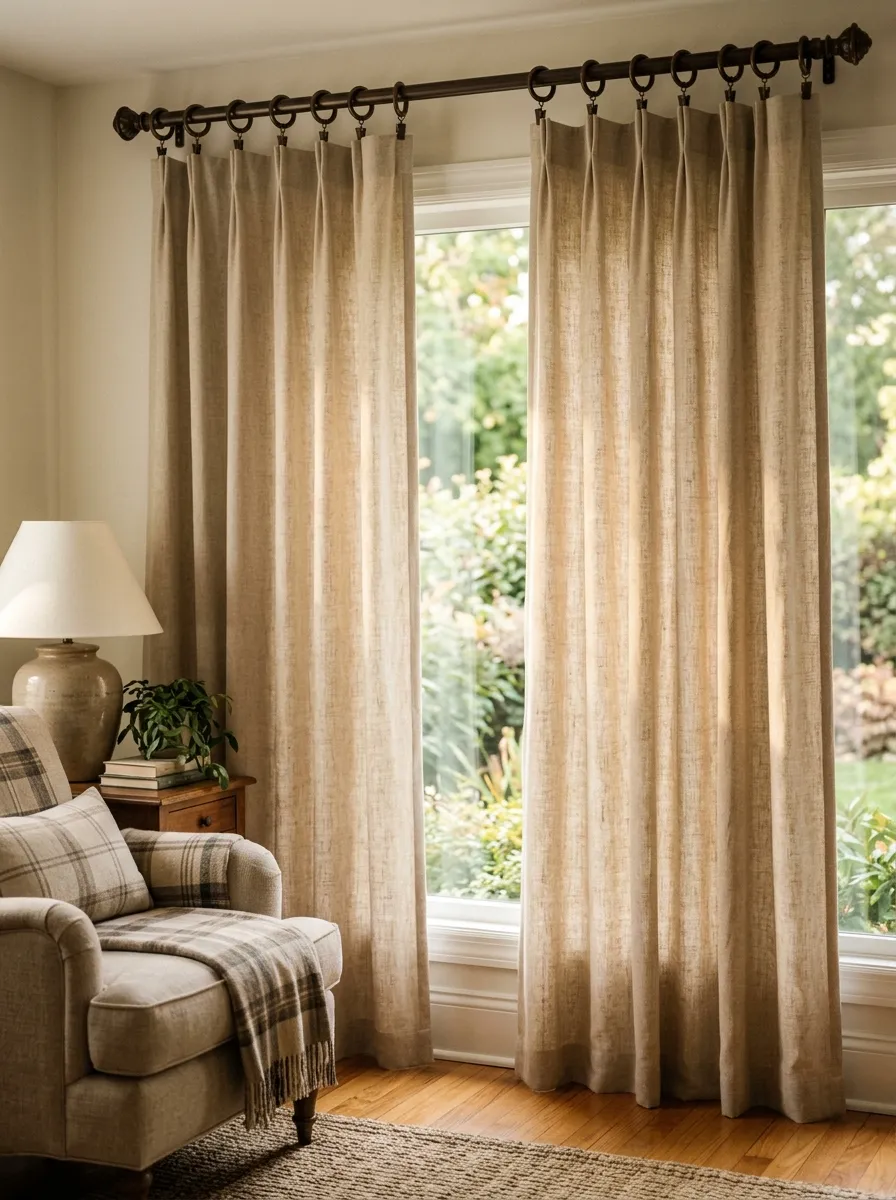
Curtain rings create even, soft wave folds across a panel, which gives a more polished look than a simple rod pocket. Each ring holds the fabric at a fixed point, so the folds stay even and consistent along the whole width of the curtain. You can buy basic metal or wooden rings at a low price from most hardware or home stores. Attach clip on rings if you do not want to sew ring tabs onto your existing curtains, since clips work directly with almost any panel you already own. A budget tip is to buy a plain rod and add rings separately rather than paying more for a matched rod and ring set sold together. This style works well in living rooms and dining rooms where you want a slightly more finished look than an informal rod pocket curtain. Space the rings evenly, roughly four to six inches apart, for the most even wave pattern. This small hardware change gives plain curtains a soft, tailored movement without any sewing or fabric replacement required.
22. Add Fairy Lights Behind Sheer Panels
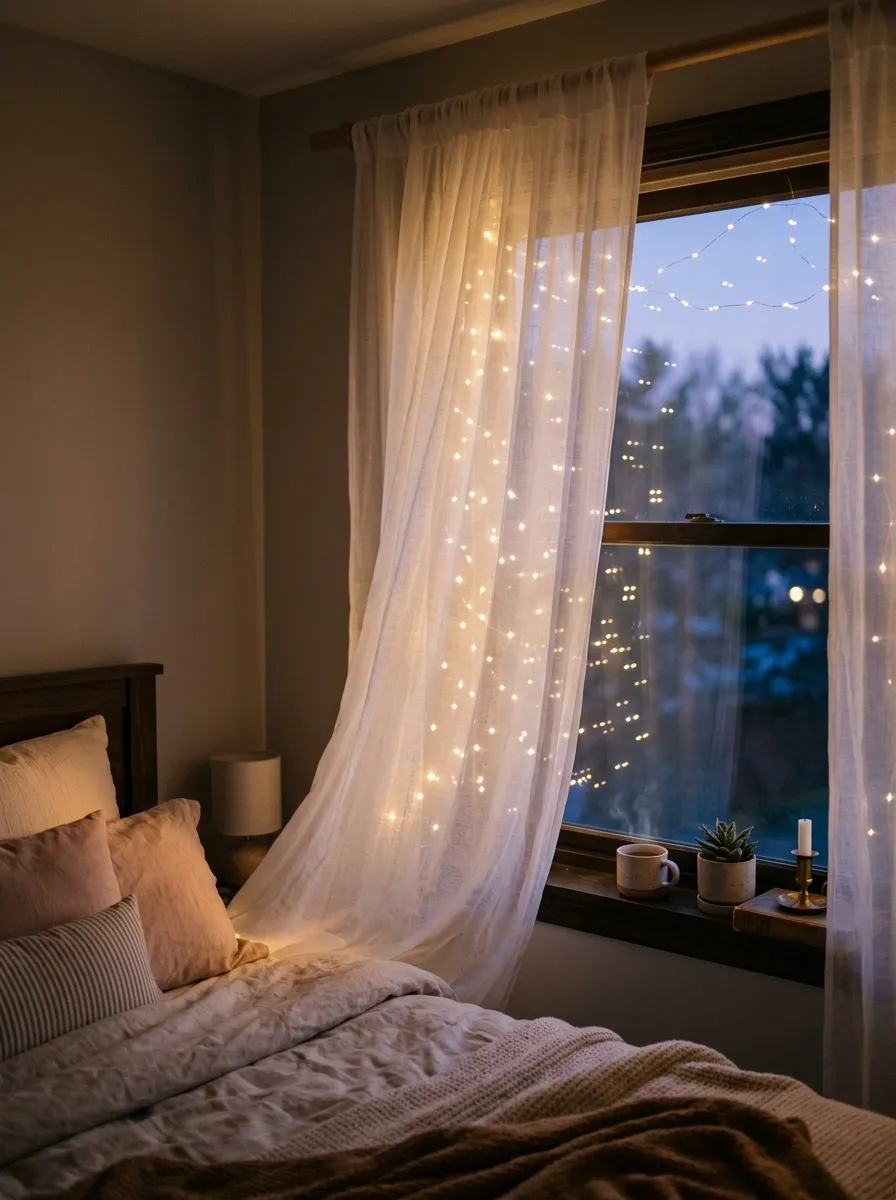
Fairy lights placed behind a sheer curtain panel create a soft glow once the sun goes down, giving your window a gentle warmth even at night. String a battery powered or plug in light strand along the top of the rod, letting the small bulbs rest behind the sheer fabric rather than in front of it. This keeps the light diffused and soft instead of harsh or exposed. A budget tip is to buy fairy lights during holiday sales, since prices often drop after major shopping seasons and the same lights work all year in a bedroom or living room. Choose warm white lights rather than cool white for a cozy effect that matches soft curtain tones. Battery operated strands work well if you do not have an outlet near the window, and many now include a small timer function to turn on automatically each evening. This simple addition costs very little upfront and turns a plain window into a soft focal point once the room lights dim for the evening.
Conclusion
A soft, gentle look does not require a full room renovation or a large budget. Small changes like adjusting rod height, layering two fabrics, or adding a simple trim can shift the whole feel of a window and the room around it. Try one or two ideas from this list first, then build on what works for your space and budget. Curtains are one of the easiest ways to soften a home, and with a bit of patience and basic sewing skills, you can create a look that feels personal and calm without spending much money at all.