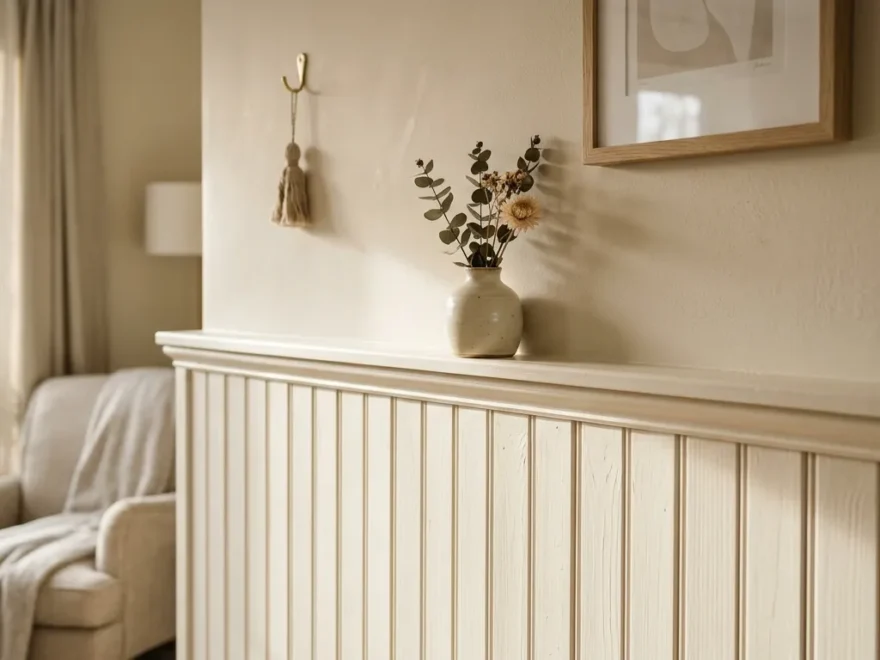
1. Classic Shaker Style Paneling
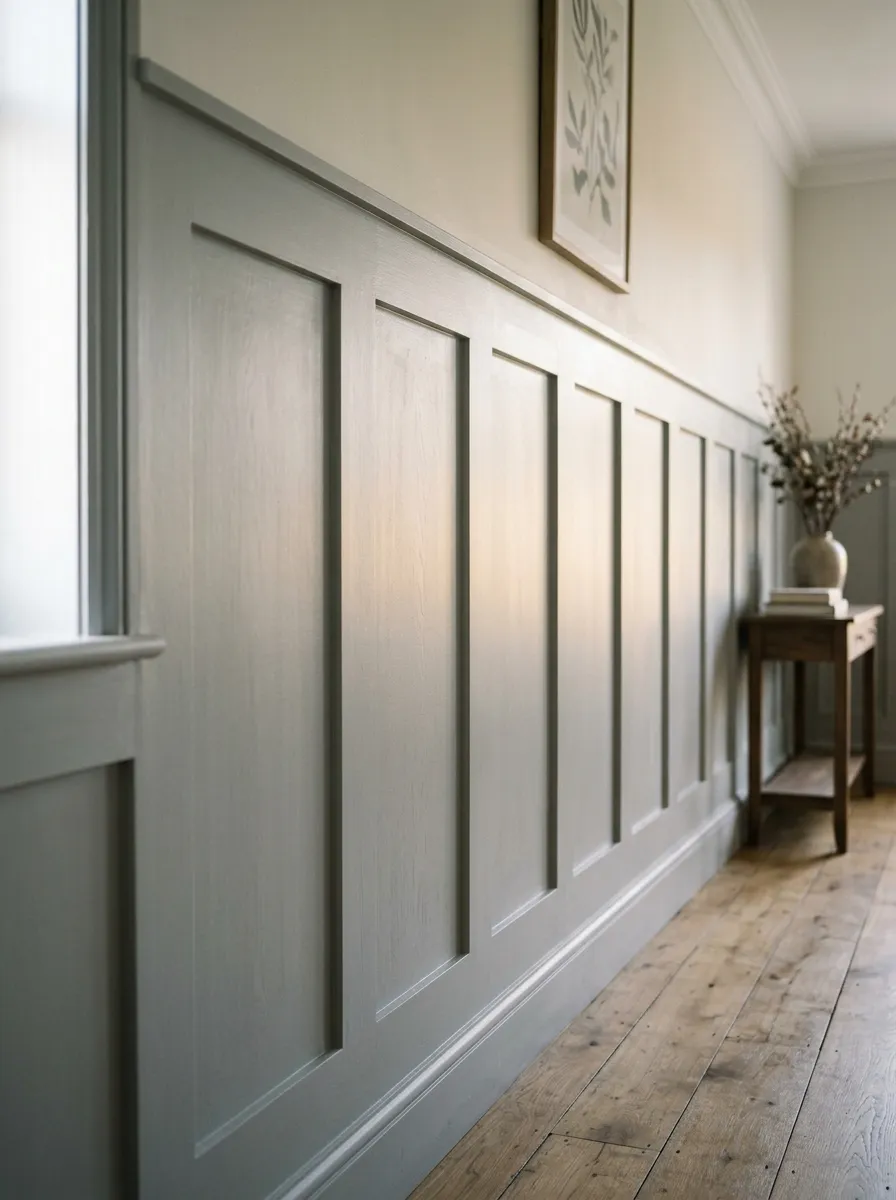
Shaker style paneling is simple rectangles built from thin strips of wood. It feels timeless and works in almost every home style. You do not need fancy carpentry skills for this one. Precut MDF strips from a hardware store can be cut to size and glued directly onto the wall. Space the rectangles evenly for a clean grid look. Paint the panels the same color as your wall for a subtle textured effect, or choose a contrasting shade for more drama. This style pairs well with traditional furniture but also looks sharp in a modern minimalist room. Budget tip: buy primed MDF trim so you skip a priming step and save on paint. A single wall can often be finished in a weekend for under a hundred dollars in materials. Add a thin chair rail on top of the panel row to give it a finished, built in look. This small addition makes the wall feel intentional rather than half done.
2. Board and Batten Paneling
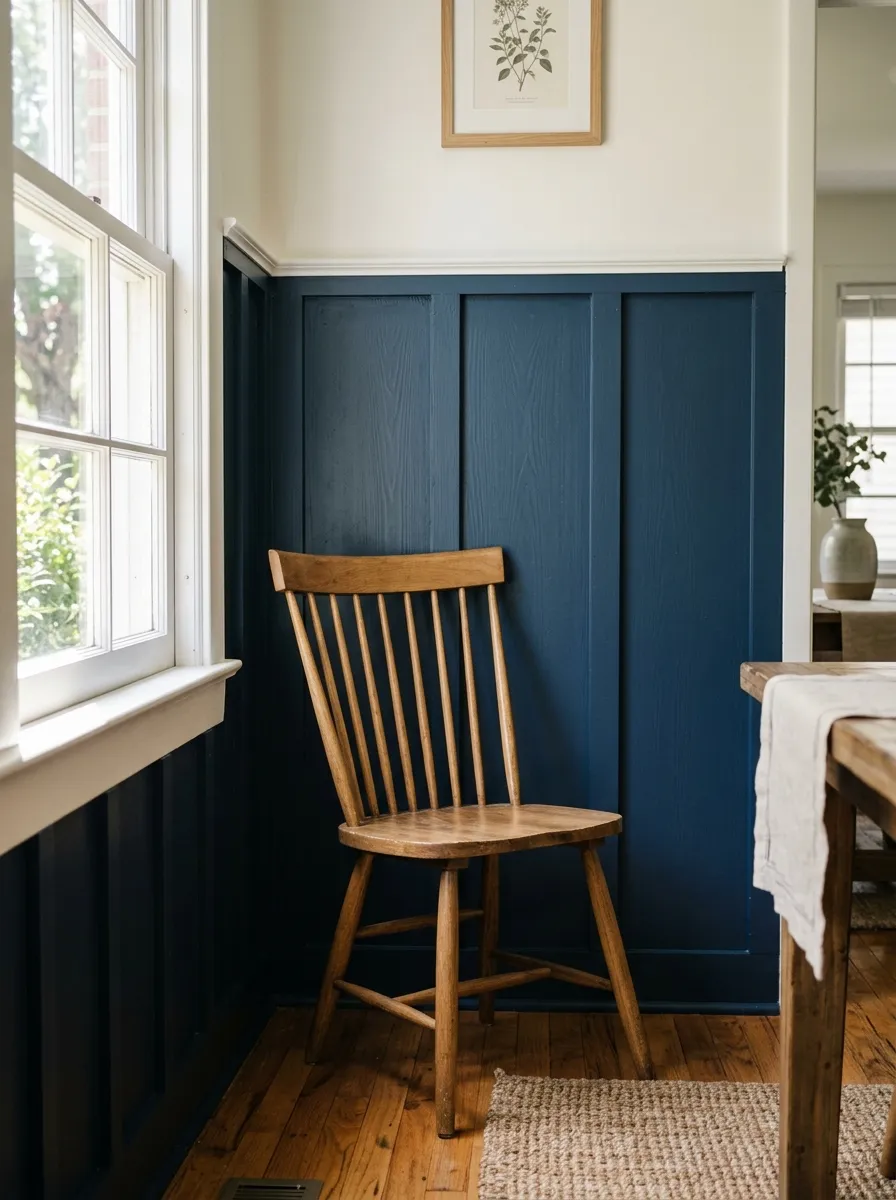
Board and batten uses flat vertical boards spaced along the wall with thin strips called battens covering the seams. It creates a farmhouse or coastal feel instantly. This project is beginner friendly because the boards are usually just cut plywood strips. Measure your wall and divide it into equal sections before cutting. Nail the boards up, then glue thin battens over the gaps. Caulk every seam so the finish looks seamless once painted. A darker paint color on the panel and a lighter shade above creates a cozy but airy contrast. This works well in dining rooms and entryways where you want a bit of coziness without making the room feel small. Budget tip: use leftover plywood scraps for the batten strips instead of buying new trim. Round off the top edge with a simple wood cap rail for a more finished appearance. This is one of the most popular DIY wall treatments because it requires only basic tools like a saw, level, and caulk gun.
3. Beadboard Half Wall Paneling
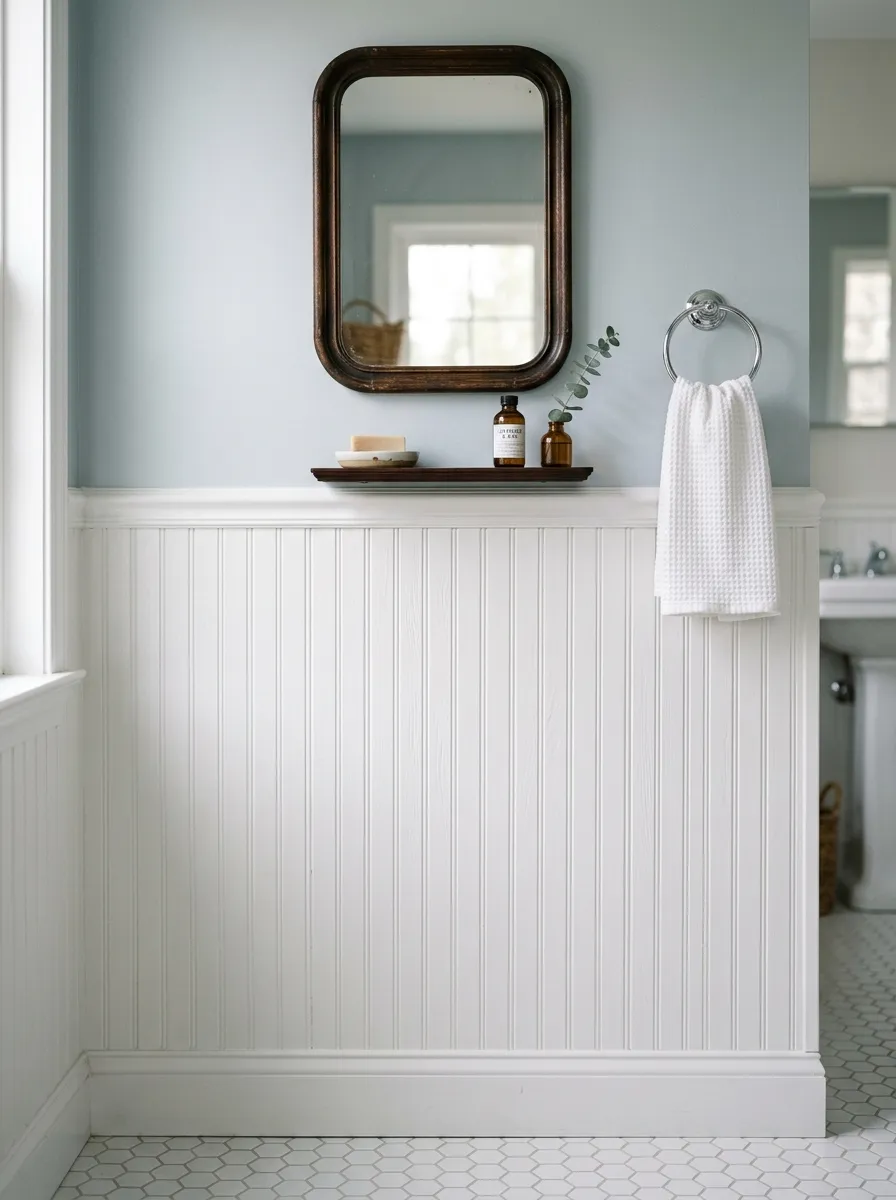
Beadboard has narrow vertical grooves that give a cottage or coastal look. It is a favorite for bathrooms and kitchens because it holds up well against moisture when properly sealed. Beadboard usually comes in large sheets, which makes installation faster than individual boards. Cut the sheet to your desired height, attach it with adhesive and finishing nails, then add a cap rail on top. Paint it in a glossy white or soft pastel for an easy breezy feel. Budget tip: beadboard paneling sheets are often cheaper per square foot than individual wood planks, making this one of the most affordable paneling options available. If you are renting, look for peel and stick beadboard wallpaper as a removable alternative. It mimics the grooved texture without any nails or glue. This gives you the classic cottage charm with zero commitment. Add small hooks along the paneling in an entryway or mudroom to combine decor with function.
4. Two Tone Paint Half Panels
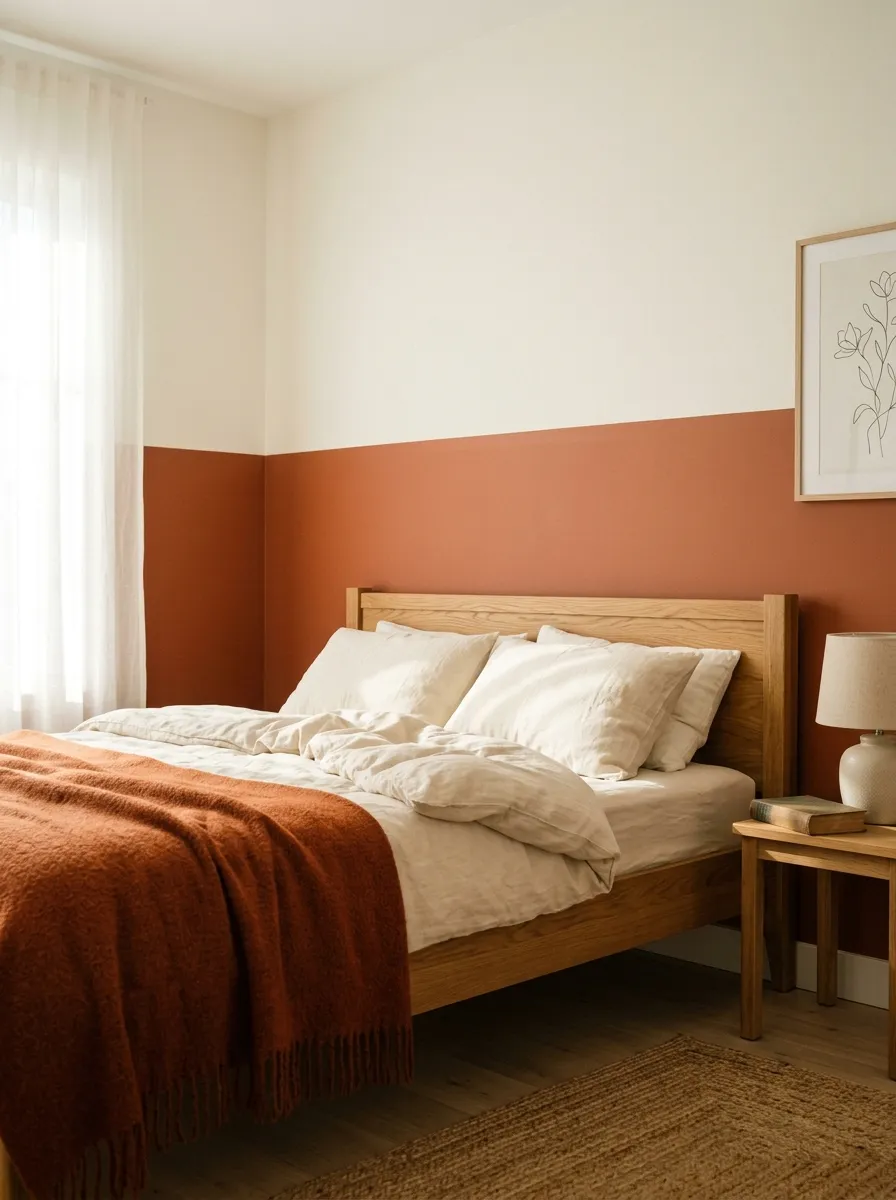
If building actual paneling feels like too much work, painted two tone walls give a similar effect using only paint and painter’s tape. Choose a lower color that is a shade or two darker than the upper wall for a grounded look. Measure the halfway point, usually around chair rail height, and tape a straight line using a level. Paint carefully and remove the tape while the paint is still slightly wet to avoid peeling. This technique costs almost nothing beyond a can of paint and tape, making it perfect for renters or anyone testing out a bold color before committing to real trim. Budget tip: use sample size paint cans if you are only doing one accent wall. Add a thin strip of washi tape or painted line as a faux chair rail for extra definition. This trick works beautifully in bedrooms and nurseries where soft color blocking adds warmth without overwhelming the space.
5. Wood Slat Accent Panels
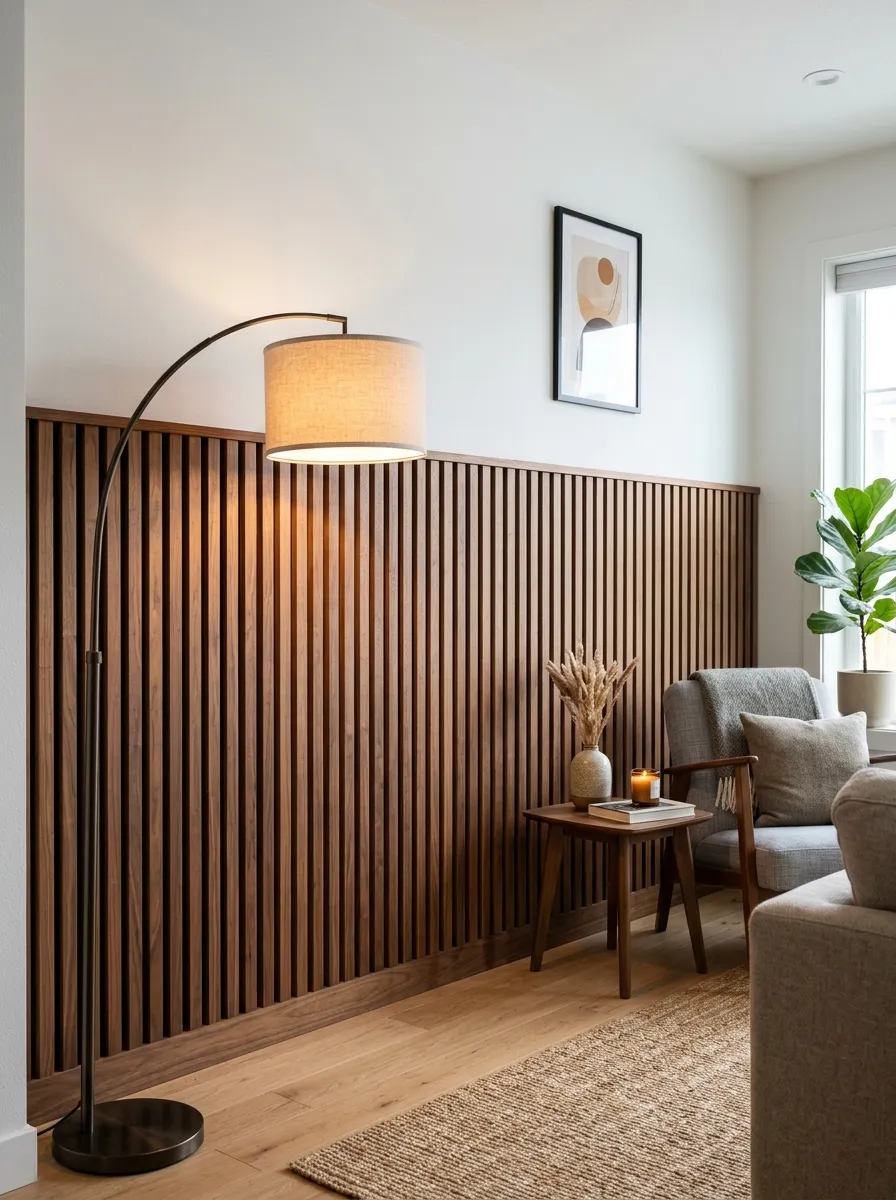
Wood slat paneling has become a popular modern accent because of the shadow lines it creates. Thin strips of wood, usually pine or plywood cut into narrow pieces, are mounted vertically with small gaps between each strip. The shadows that form between the slats give real depth even in a flat space. This look pairs beautifully with mid century or Scandinavian style furniture. Stain the wood in a warm tone for a cozy feel, or paint it black for a bold modern statement. Budget tip: furring strips from the lumber section are inexpensive and already cut to a workable width, saving you cutting time. Space them using a scrap piece of wood as a spacer guide so every gap stays consistent. This project can be completed in an afternoon with a saw, adhesive, and a level. It works especially well behind a bed or sofa as a focal accent wall.
6. Molding Frame Panels
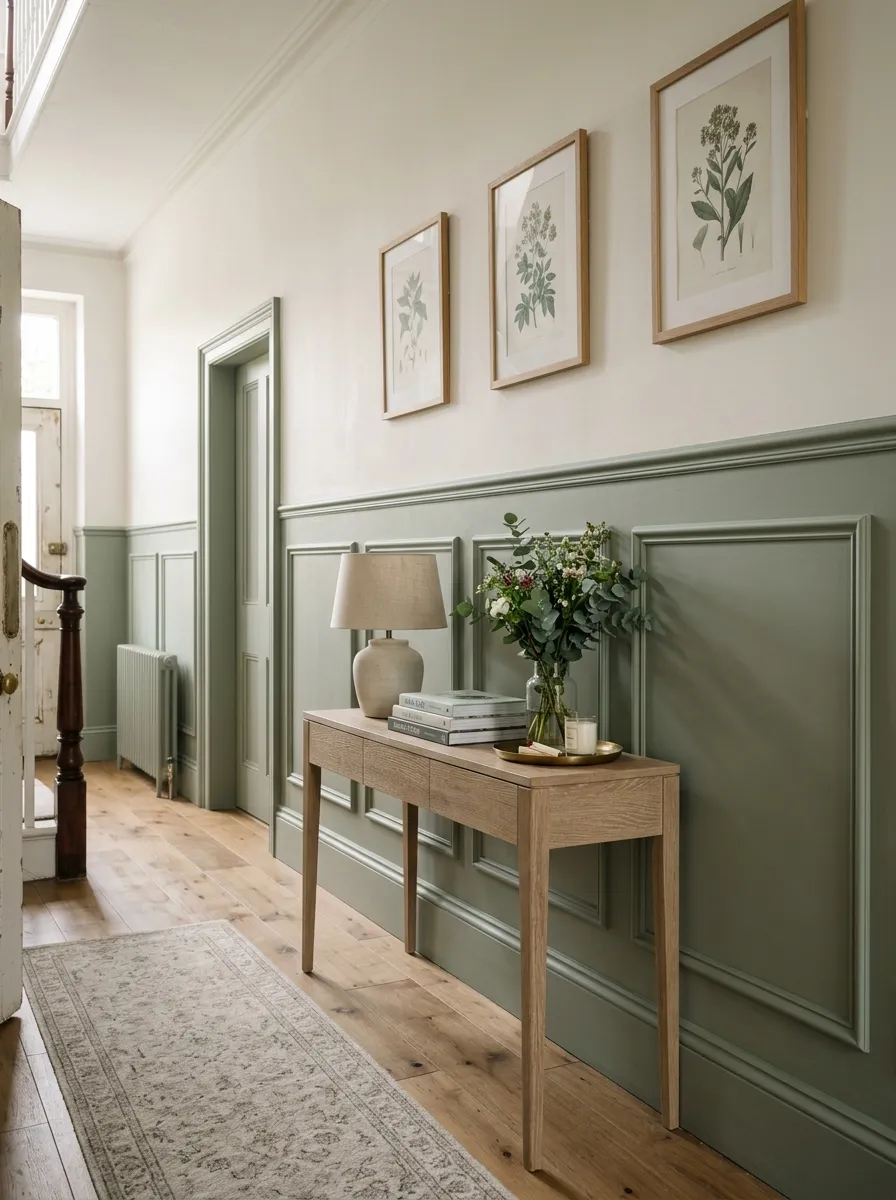
This style uses thin strips of trim arranged into rectangular or square outlines directly on the wall, similar to picture frame molding. It gives a refined, almost gallery like feel without needing actual pictures. Measure and mark your rectangles evenly before cutting the trim pieces with a miter saw or having them cut at the store. Glue and nail them into place, then caulk and paint. This is a great option for hallways, staircases, or dining rooms where you want elegance without heaviness. Budget tip: choose a thinner and cheaper trim profile since the pattern itself creates the visual impact, not the trim thickness. Keep spacing consistent using a tape measure and painter’s tape as a guide. This technique photographs beautifully and adds resale value to a home because it reads as a custom architectural detail rather than a quick decor fix.
7. Wallpaper Above Paneling
![[Image Prompt: A photograph of a bedroom wall with white wood paneling on the lower half and floral wallpaper on the upper half, a woven pendant light hanging nearby, soft natural light, captured on a high end camera with rich detail.]](https://truelivingspaces.com/wp-content/uploads/2026/07/7_202607091157_11zon.webp)
Pairing paneling with wallpaper on the upper half of the wall creates a layered, designer look. The paneling grounds the room while the wallpaper adds pattern and personality above eye level. This combination works especially well in bedrooms, nurseries, and powder rooms. Install the paneling first, then measure and hang peel and stick wallpaper above the cap rail line. Choose a busy pattern for the top and keep the paneling in a solid neutral tone so the two elements balance each other. Budget tip: peel and stick wallpaper is often less expensive than traditional pasted wallpaper and easier to remove if you change your mind later. Use leftover wallpaper scraps to line a small shelf or drawer for a cohesive touch. This layered approach gives a room a finished, high end feel while keeping the actual cost fairly low since you are only wallpapering half the wall.
8. Textured Panel Finish
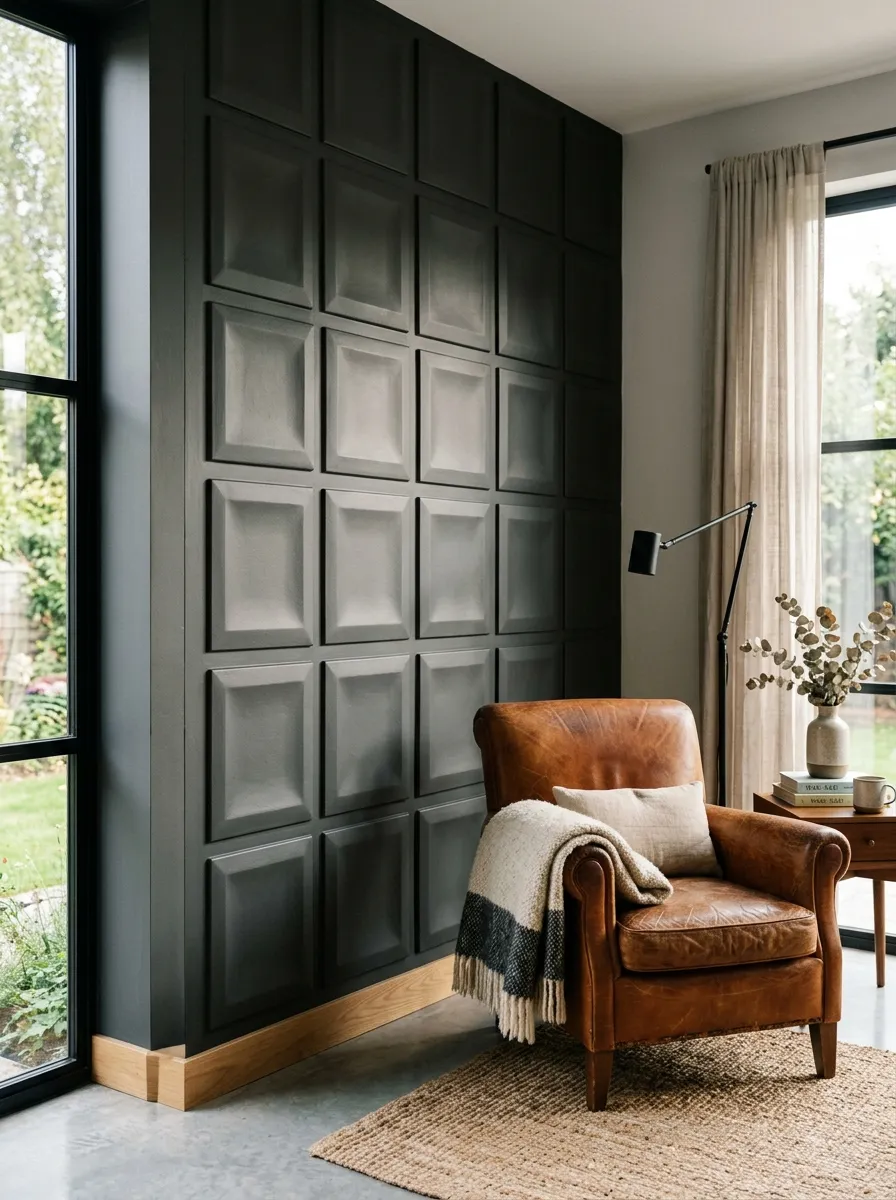
Textured panels bring a sculptural quality to a wall using raised patterns instead of flat paint. These can be created using foam panels, 3D wall tiles, or even textured wallpaper designed to mimic paneling. This option suits modern and contemporary interiors that want a bold statement wall. Foam or PVC textured panels are lightweight and can be cut with a utility knife, making installation manageable for most homeowners. Paint the panels a single moody color like charcoal or deep green to let the texture do the talking. Budget tip: textured wall panels are often sold in packs and priced per square foot, so measure your wall carefully to avoid overbuying. Use construction adhesive instead of nails if you are working with foam panels to avoid cracking the material. This works especially well as a feature wall behind a television or sofa where you want visual interest without needing artwork.
9. Dark Painted Half Walls
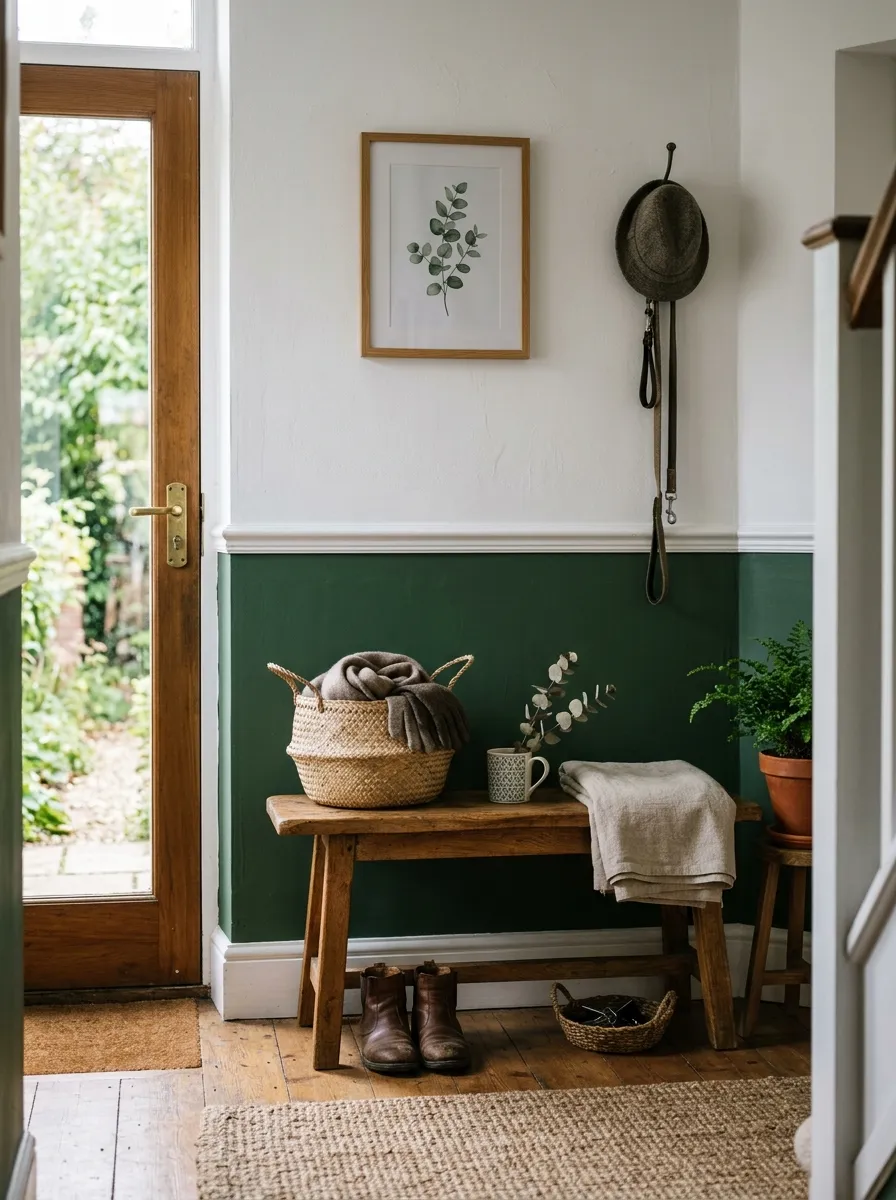
Dark colors on the lower half of a wall create a grounded, cozy feeling while keeping the room from feeling too heavy overall. This works because the eye reads the darker tone as a base, similar to a rug or floor, rather than as a wall that closes the space in. Deep greens, navy blues, and warm browns are popular choices for this technique. Painting is the easiest and cheapest way to achieve this look since no actual paneling is required. Measure the halfway point using a level and mask off a clean line with painter’s tape. Budget tip: use a satin or eggshell finish on the lower half since it is more durable and easier to wipe clean, especially in hallways or entryways where scuffing happens often. Add a thin wood strip along the paint line for a more finished, built in appearance. This technique works in almost any room and instantly makes a space feel more designed.
10. White Half Panel Walls for Small Rooms
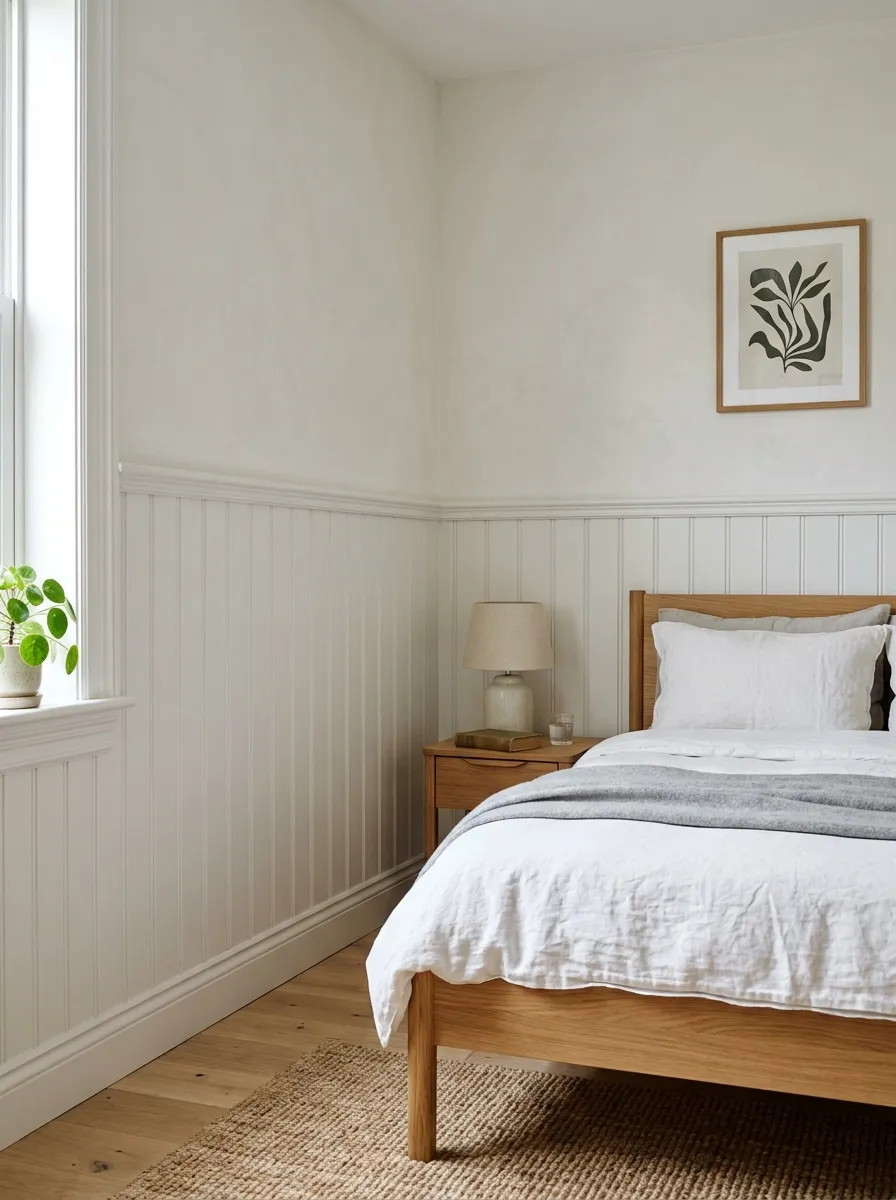
Small rooms often benefit from paneling more than large ones because the added texture creates depth without shrinking the visual space. White paneling paired with a white or very light upper wall keeps the room feeling open and airy while still adding architectural detail. This is a great option for small bedrooms, apartments, or nurseries. Choose a simple shaker or beadboard style so the pattern stays subtle. Paint everything in the same white tone, including trim and walls, for a cohesive monochromatic look. Budget tip: since you are using one paint color for the entire wall, you only need to buy a single can, keeping costs low. Add texture through bedding, curtains, or a small rug instead of color to keep the room feeling bright. This approach proves that paneling is not just for large statement walls. It works beautifully in compact spaces where you want charm without visual clutter.
11. Half Paneled Staircase Walls
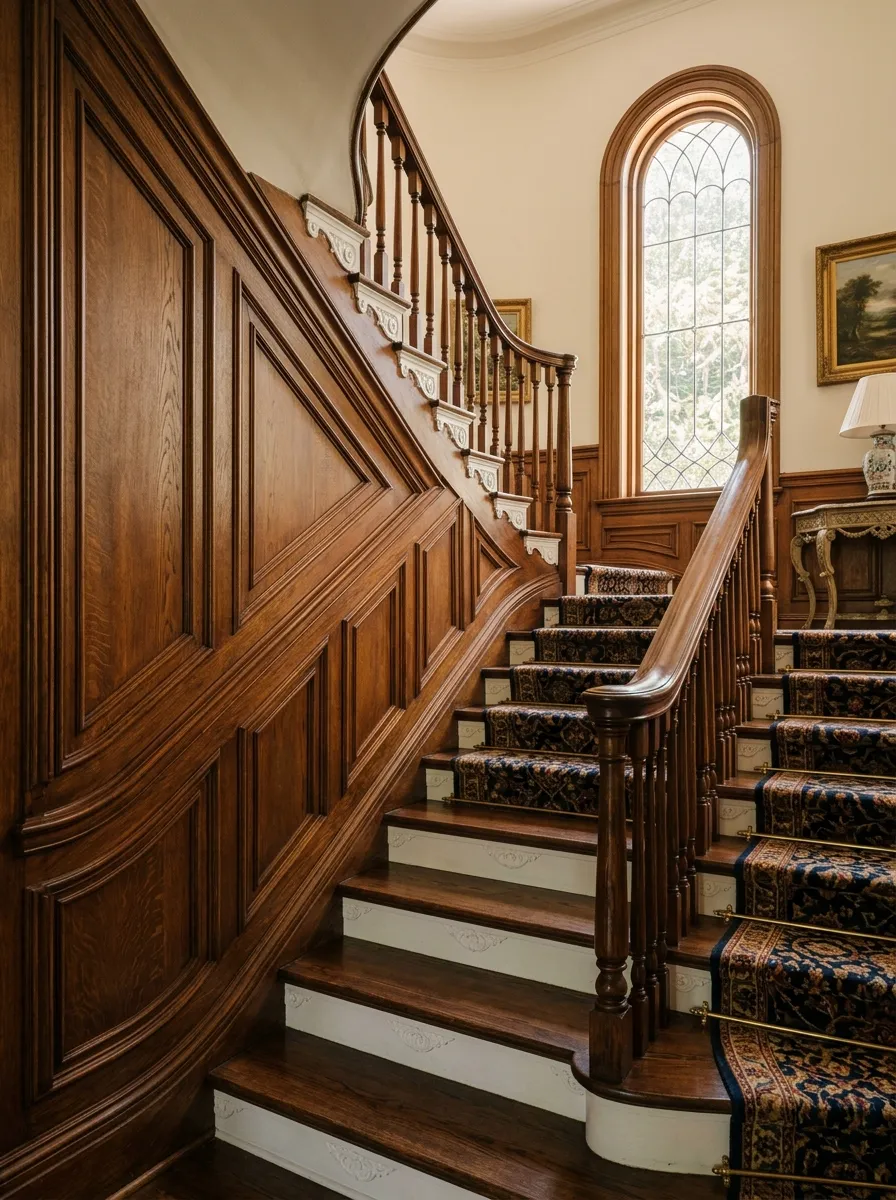
Staircases are often overlooked when it comes to decor, but paneling along the stairwell wall turns a plain hallway into a striking feature. The trickiest part is cutting the panels or trim to follow the angle of the stairs. Take careful measurements at each step level and use a miter saw for angled cuts. Shaker style or board and batten patterns both adapt well to the sloped surface. Paint the paneling a color that complements your stair railing or flooring for a cohesive look. Budget tip: tackle this project in sections, working panel by panel up the staircase, so you can spread out the cost of materials over a few weekends. Add small picture ledges along the paneling to display framed photos as you climb the stairs. This turns a functional passageway into one of the most photographed corners of the home.
12. Half Paneled Hallway Walls
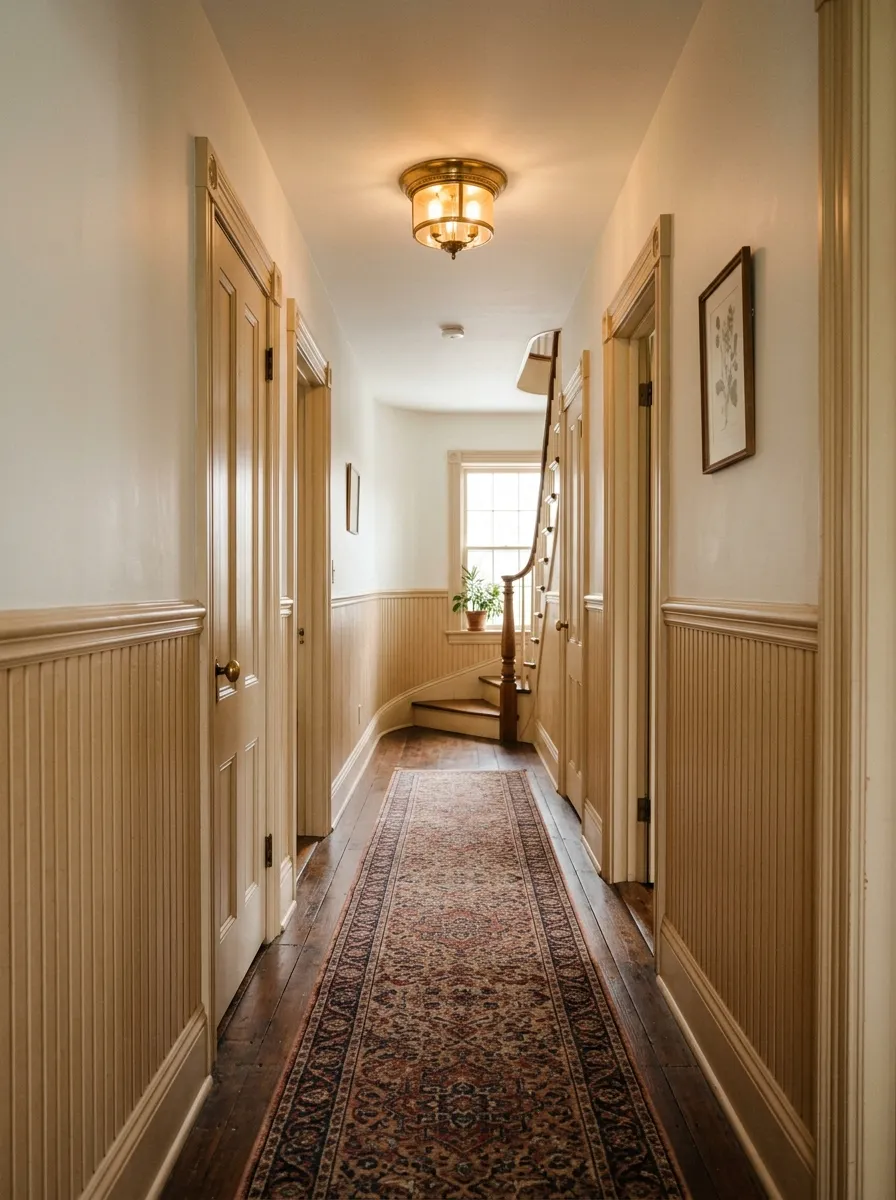
Hallways are narrow spaces that often feel like an afterthought, but paneling can turn them into a warm, welcoming passage. Because hallways get a lot of foot traffic, paneling also protects the lower wall from scuffs and bag marks. Choose a durable finish like semi gloss paint over the panel material to make cleaning easier. Light wood tones or soft neutral paint keep narrow hallways from feeling closed in. Budget tip: hallways are usually shorter in wall length compared to living rooms, so this is often one of the most affordable rooms to panel since less material is needed. Add wall sconces above the paneling instead of a hanging fixture to save floor and ceiling space. A runner rug beneath ties the whole look together. This is a simple weekend project that makes a big difference in how a home feels the moment someone walks through the door.
13. Half Paneled Bedroom Accent Wall
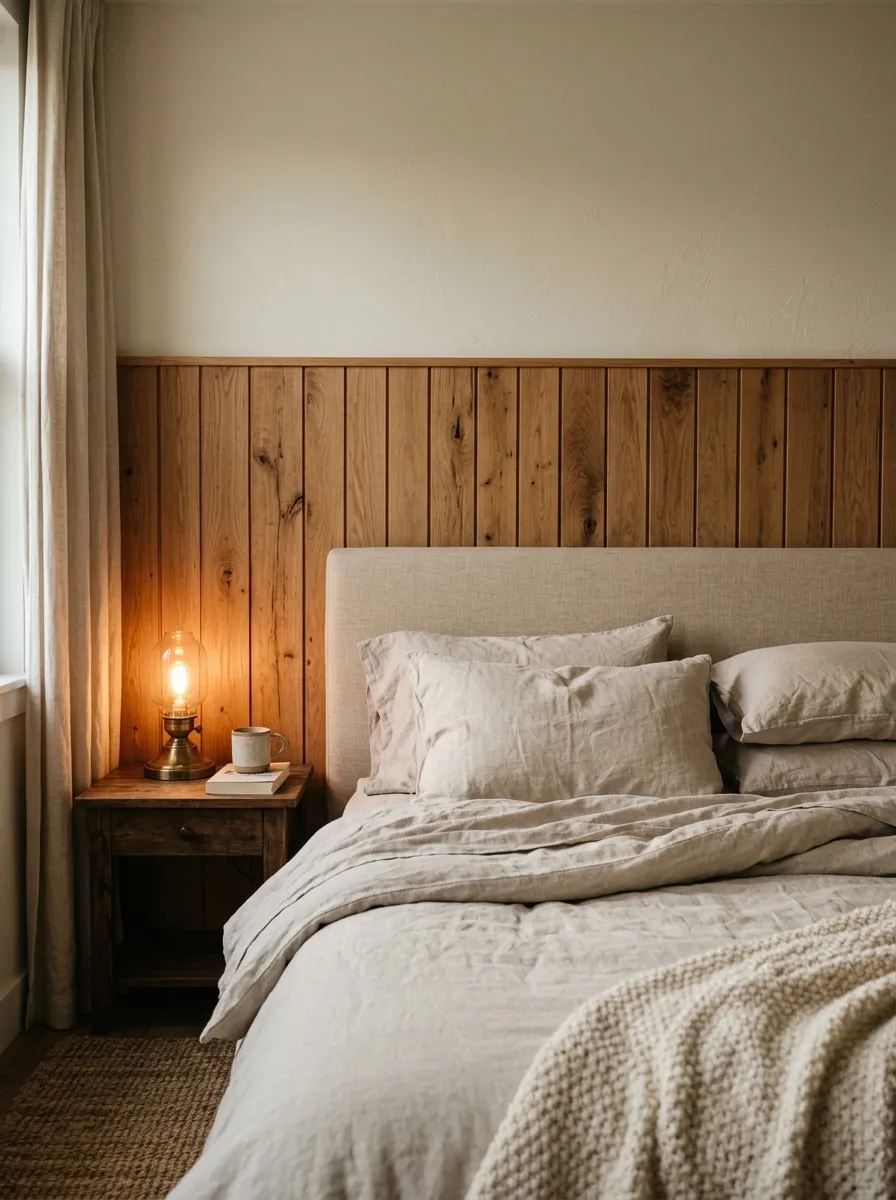
The wall behind a bed is one of the best places to add half paneling because it instantly becomes the focal point of the room. Vertical slats or shaker style panels behind a headboard create a boutique hotel feeling. Keep the color palette calm, using warm wood tones, soft grays, or muted greens to encourage a restful mood. This project usually only requires paneling one wall, which keeps material costs lower than a whole room makeover. Budget tip: focus your paneling budget on just the width of the bed plus a little extra on each side rather than the entire wall, which cuts material costs significantly. Add wall mounted sconces on either side of the bed for a built in look that also frees up nightstand space. This single accent wall can transform the entire feel of a bedroom without touching any other surface in the room.
14. Half Paneled Bathroom Walls
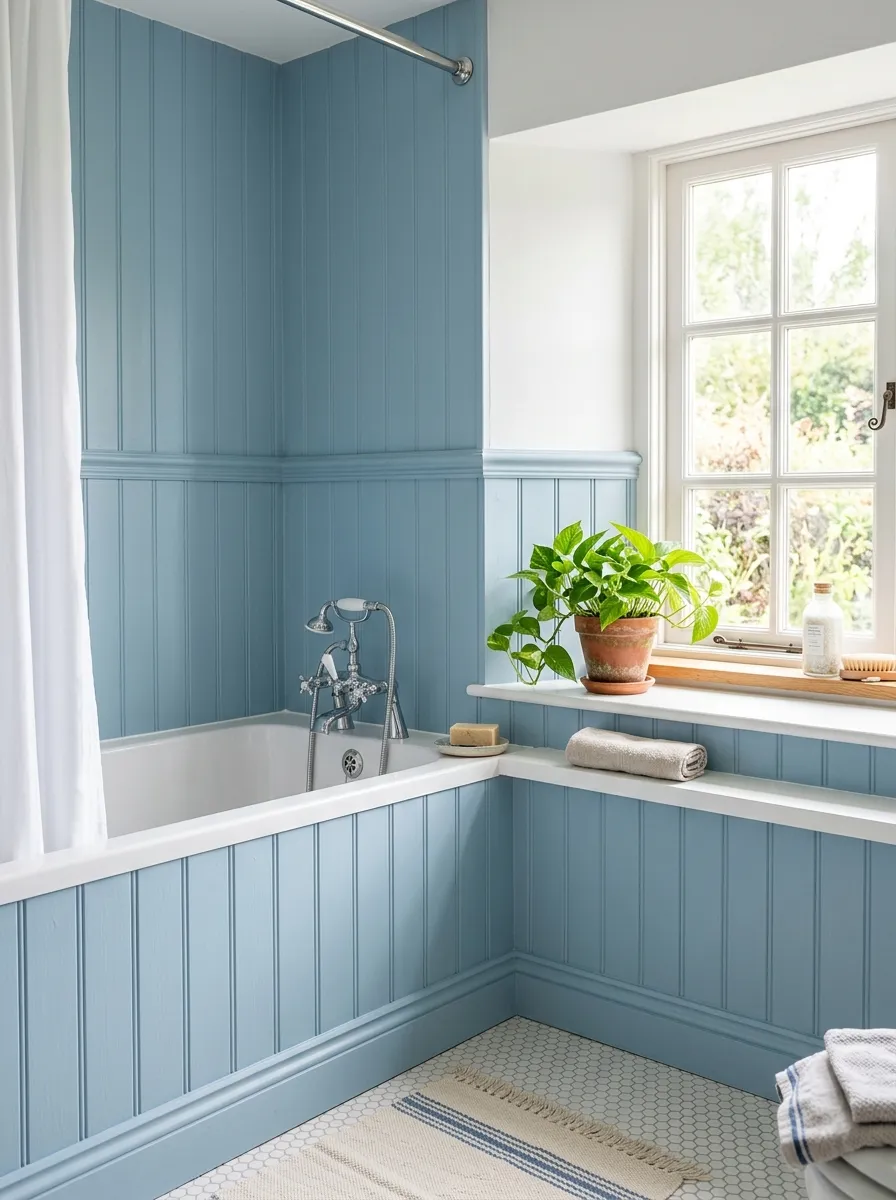
Bathrooms need moisture resistant materials, so choose PVC beadboard or sealed MDF rather than raw wood. Paint with a bathroom safe semi gloss or satin finish that can handle humidity and easy wiping. Half paneling around a tub or vanity area adds texture while keeping the upper wall lighter to avoid feeling cramped in a small space. Seal all seams and edges with caulk to prevent water from getting behind the panels. Budget tip: PVC panel sheets are often more water resistant and cheaper than real wood, making them the smarter choice for wet areas like bathrooms. Choose a calming color like soft blue, sage, or blush for a spa like atmosphere. Add a woven bath mat and simple greenery to complete the look. This upgrade makes a bathroom feel custom designed even in a rental, especially when paired with new hardware like a modern faucet or mirror.
15. Half Paneled Dining Room Walls
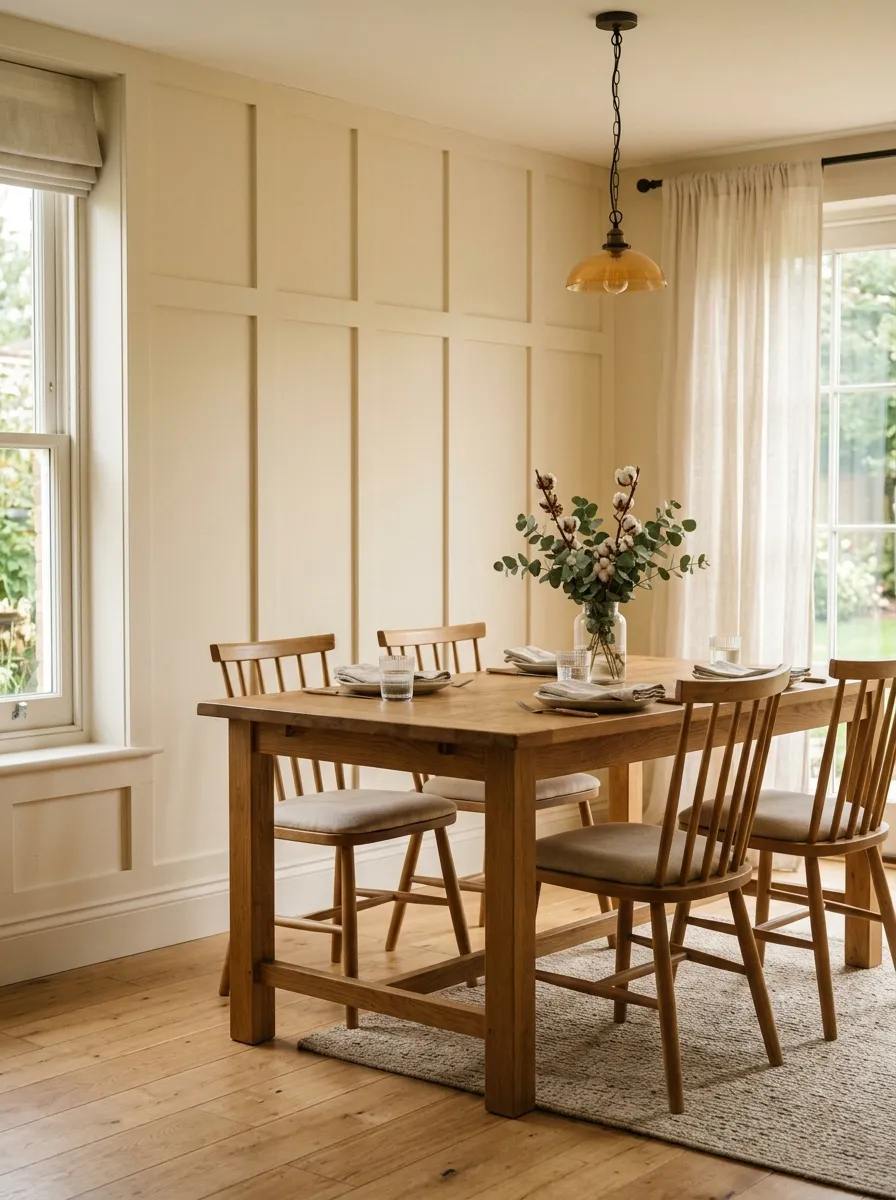
Dining rooms benefit from paneling because it adds formality and warmth to a space meant for gathering. Board and batten or shaker style panels both work well here, especially in warm neutral tones like cream, taupe, or soft terracotta. Since dining rooms often have fewer furniture pieces than living rooms, the walls carry more visual weight, making paneling an effective way to fill that space. Install the paneling to about chair rail height so it lines up naturally with dining chairs, protecting the wall from scuffs. Budget tip: many dining rooms have smaller wall sections due to windows and doorways, meaning less material is needed compared to open concept rooms. Add a simple shelf above the paneling to display plates or artwork. This creates a layered, curated look perfect for dinner parties or everyday family meals. Paneling here also photographs beautifully for holiday gatherings and celebrations.
16. Half Paneled Kitchen Walls
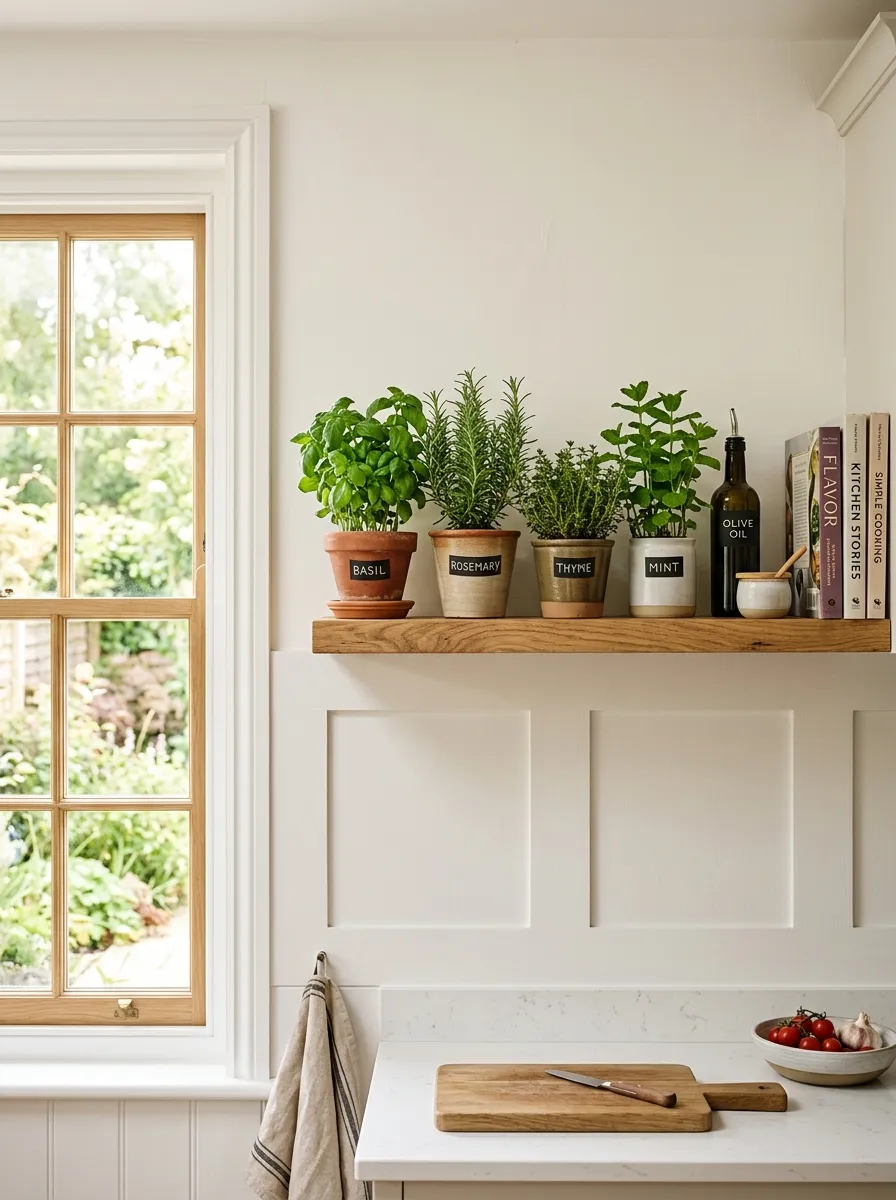
Kitchens can feel sterile with just tile or plain paint, so adding paneling to an open wall section brings warmth into the space. This works especially well on the wall behind a breakfast nook or beneath open shelving. Choose a washable paint finish since kitchens deal with grease and moisture regularly. White or soft pastel panels keep the space feeling bright and clean. Budget tip: focus paneling on just one accent section of the kitchen, like behind a bench seat or under a window, rather than the whole room, which keeps the project quick and affordable. Add open wood shelves above the paneling to display dishes or plants for a cohesive farmhouse or cottage style kitchen. This small addition makes a kitchen feel more like a lived in home rather than a purely functional space.
17. Half Paneled Nursery Walls
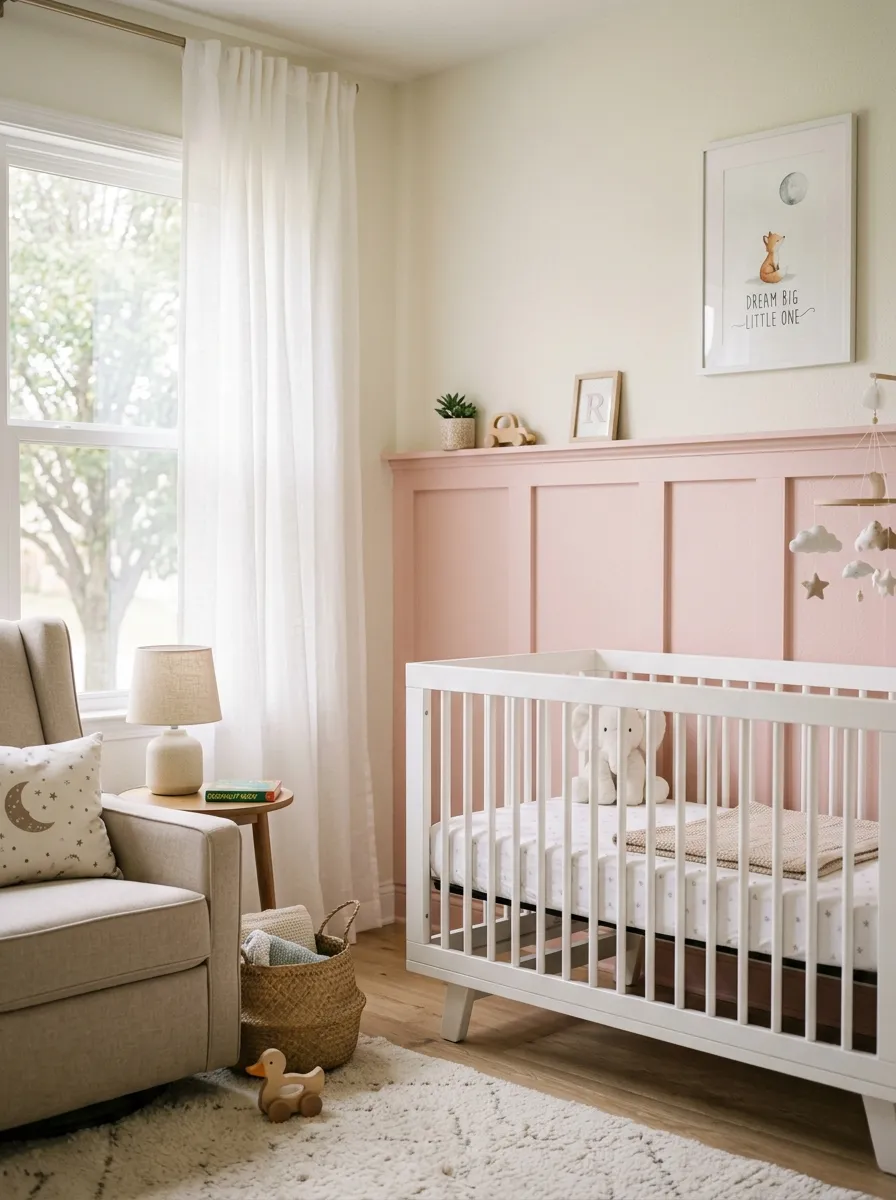
Nurseries benefit from soft, calming paneling that creates a gentle, nurturing atmosphere. Pastel tones like blush, sage, or soft yellow work beautifully on shaker or board and batten style panels. Because nurseries are smaller rooms, this project usually requires less material, keeping costs manageable. Choose a low VOC paint since babies spend a lot of time in this room breathing the air. Budget tip: many parents repaint a nursery wall from a previous room design, so priming over existing paint before adding panels can save money compared to starting from scratch. Add a simple floating shelf above the paneling to display books or small decor items. This paneling style also transitions well as the child grows, since a neutral panel design can be paired with different wallpaper or paint colors above as tastes change over the years.
18. Half Paneled Entryway Walls
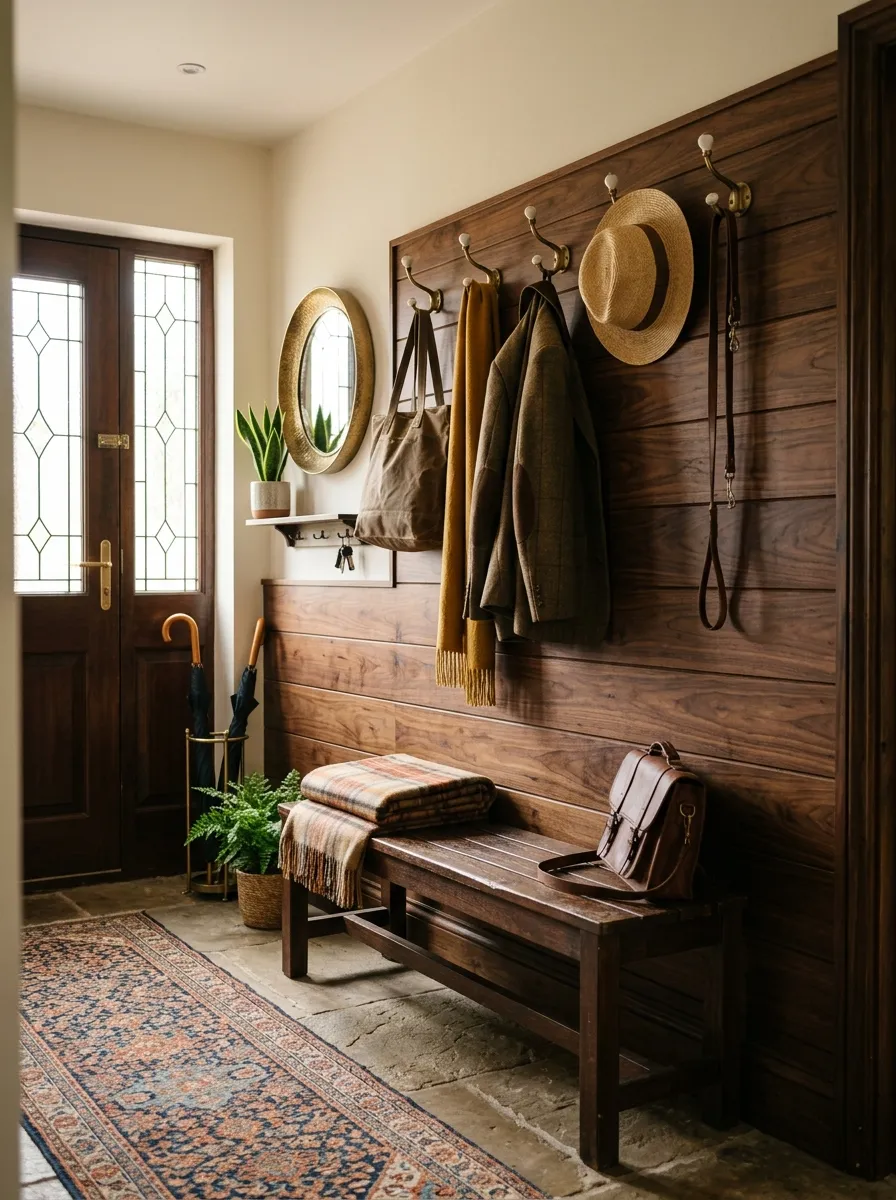
The entryway sets the tone for the rest of the home, and paneling here creates an immediate sense of warmth and intention. Since entryways see a lot of foot traffic, bags, and shoes, durable paneling protects the wall from scuffs and marks. Add hooks or a small shelf directly into the paneling for practical storage. Dark or warm wood tones work well here since entryways often get less natural light than other rooms. Budget tip: entryways are typically small, so this is one of the most affordable paneling projects in terms of material cost, often completed with just one or two sheets of MDF or a handful of trim pieces. Add a small bench beneath the paneling for a place to sit while putting on shoes. This combination of function and style makes the entryway feel like a designed space rather than just a passthrough.
19. Reclaimed Wood Half Panels
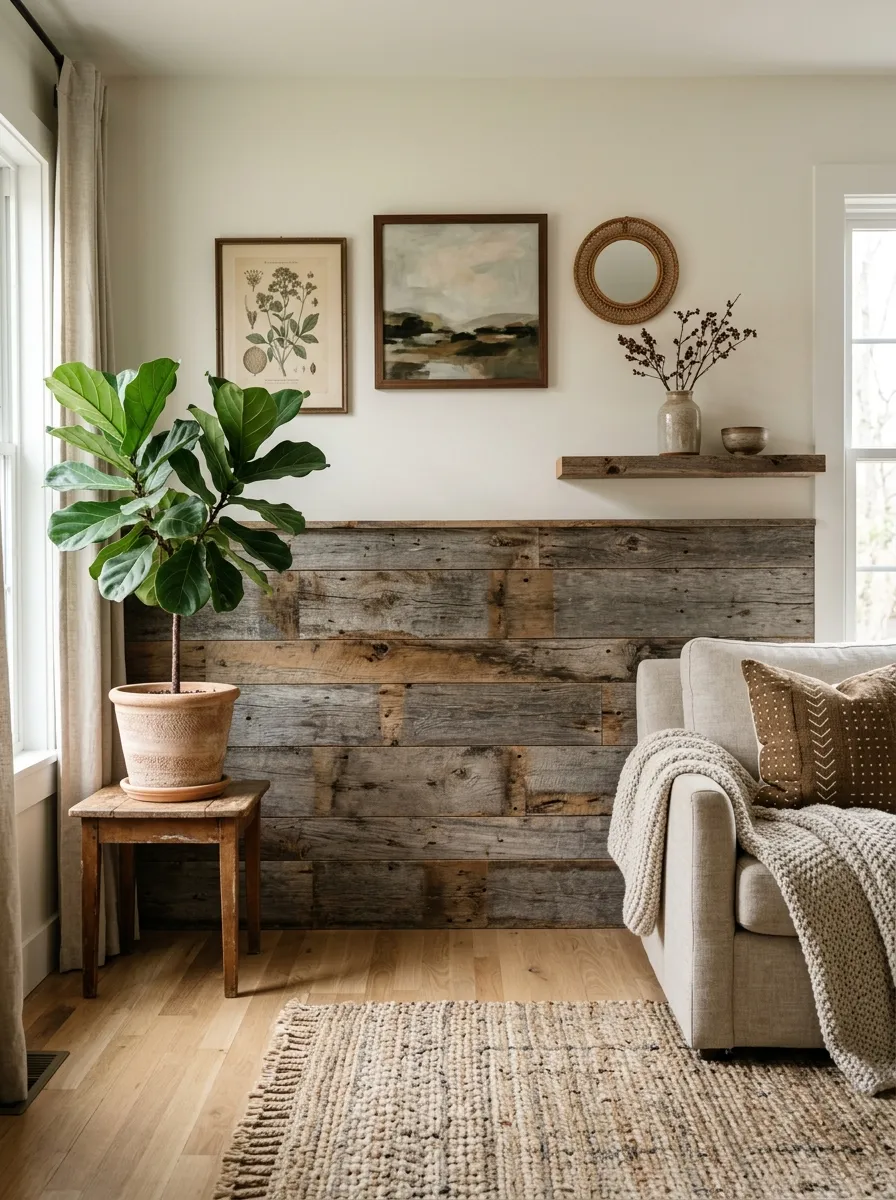
Reclaimed wood paneling brings natural texture and history into a room, giving it a rustic, lived in feel. Salvaged fence boards, old barn wood, or even pallet wood can be cleaned, sanded lightly, and mounted directly onto the wall. Each plank carries its own grain pattern and imperfections, which adds character that new lumber cannot replicate. This style works well in farmhouse, industrial, or bohemian interiors. Budget tip: reclaimed wood is often free or very cheap if sourced from old furniture, pallets, or construction site scraps, making it one of the most affordable paneling materials available. Seal the wood with a clear coat to protect it and prevent splinters, especially in high traffic areas. Mix plank widths for a more organic, collected over time appearance rather than a uniform look. This paneling style pairs beautifully with metal accents, woven textiles, and greenery for a cozy natural aesthetic.
20. Geometric Panel Patterns
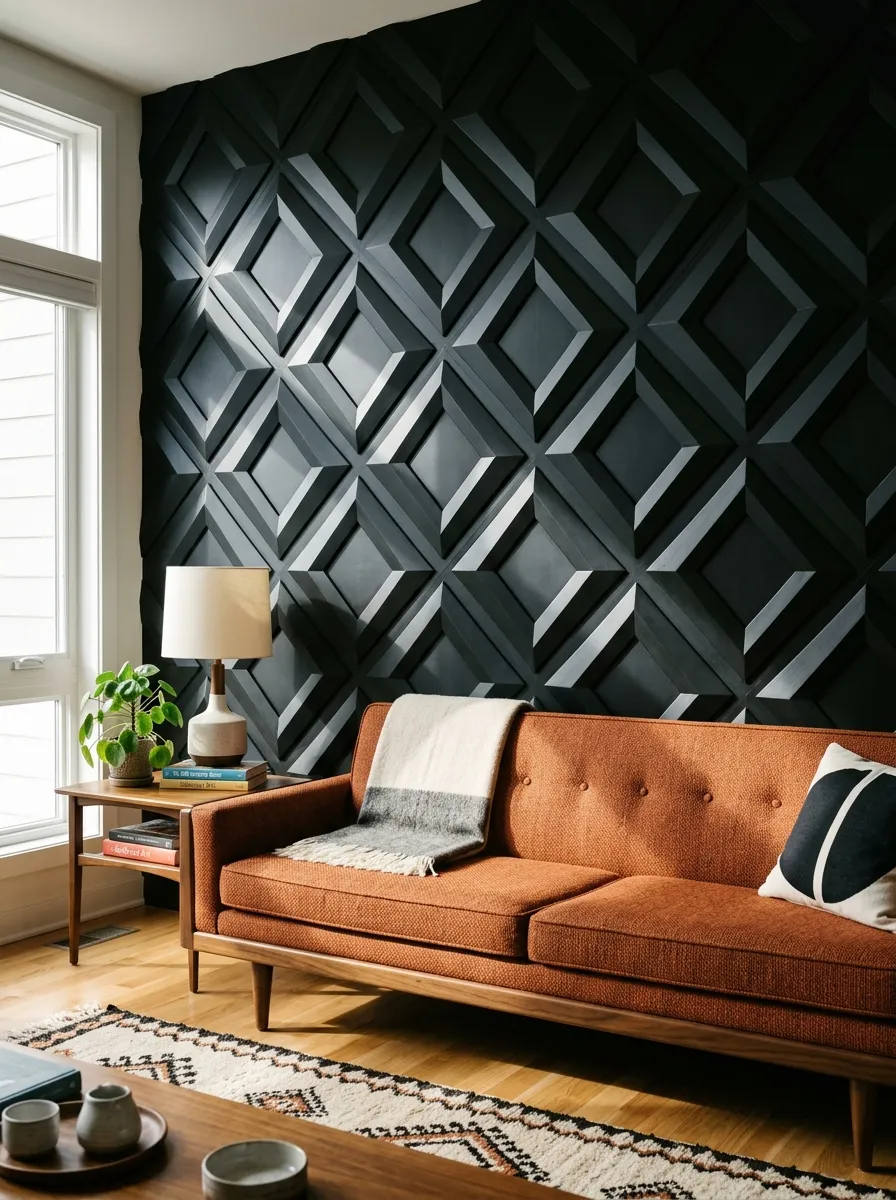
Geometric paneling uses diagonal cuts, diamonds, chevrons, or herringbone patterns instead of simple rectangles. This style makes a bold, modern statement and works well as a single feature wall rather than throughout an entire room. Thin wood strips or trim pieces are arranged at angles and glued directly onto the wall surface. Precision matters here, so use a miter saw and measure carefully before committing to adhesive. Paint the finished pattern in a single bold color like black, navy, or forest green to let the shapes stand out. Budget tip: focus this technique on a smaller feature area, like behind a television or above a fireplace, rather than a full wall, which keeps both material costs and installation time manageable. This paneling style photographs exceptionally well and often becomes the most talked about feature in a home tour. Pair it with simple, uncluttered furniture so the wall pattern remains the star of the room.
21. Half Paneled Home Office Walls
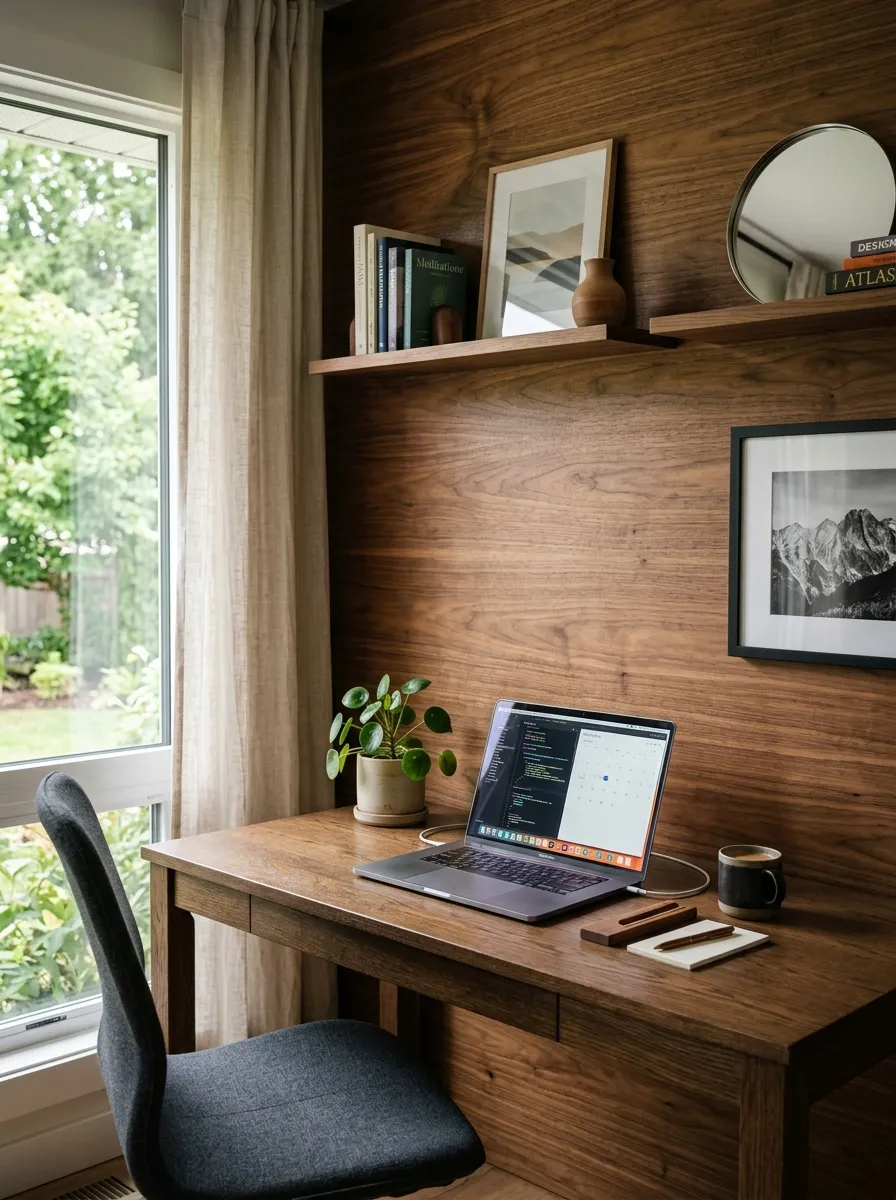
A home office benefits from paneling because it creates a professional backdrop, especially useful for video calls and virtual meetings. Warm wood tones or soft neutral panels add texture without becoming distracting on camera. Position the paneling behind your desk so it appears in the background during calls, instantly upgrading the perceived setup of your workspace. Budget tip: you only need to panel the section of wall visible behind your desk chair, which significantly reduces material needed compared to a full wall treatment. Add a simple floating shelf above the paneling for books or small decor to round out the professional look. This project is one of the highest impact upgrades for a home office because it improves both the in person feel of the room and how the space appears on screen during remote work calls.
22. Colorful Half Panel Walls
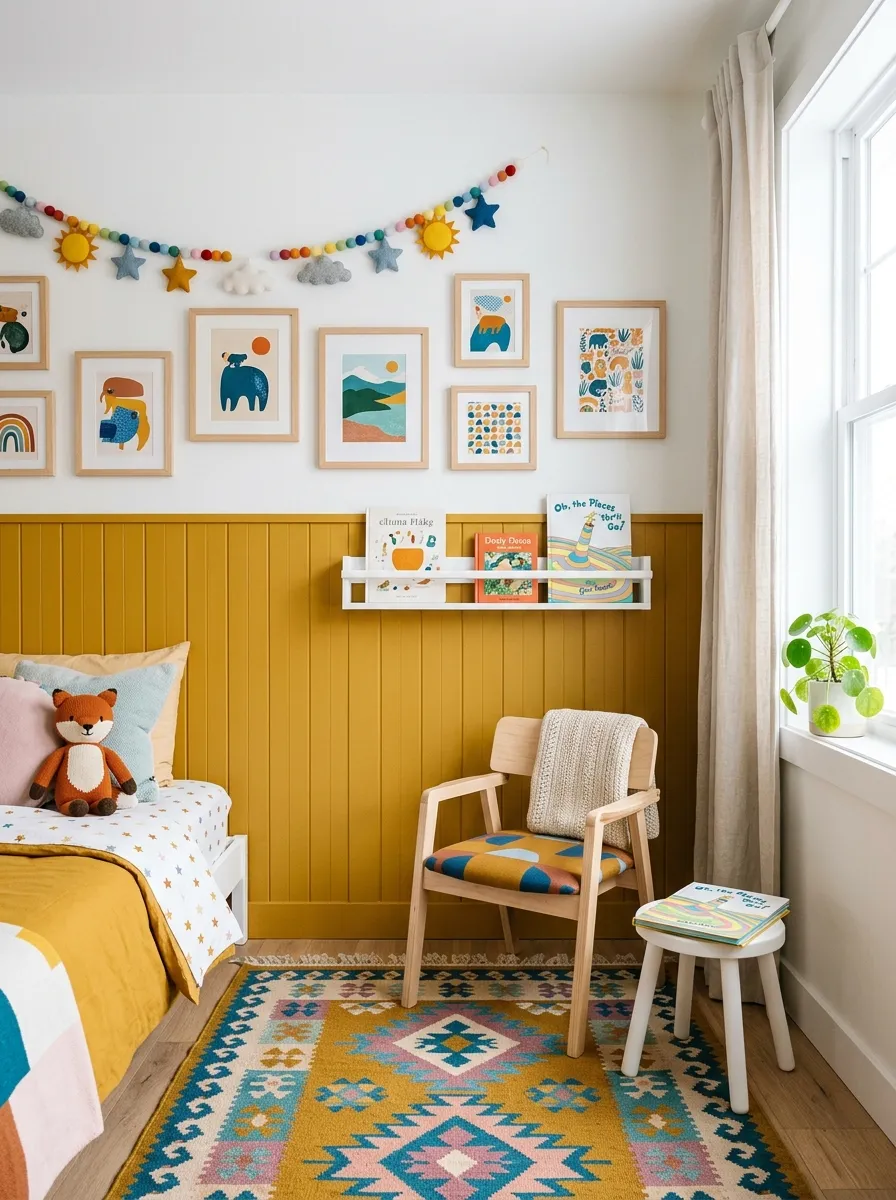
Not every paneled wall needs to be neutral. Bold, playful colors like mustard yellow, burnt orange, or dusty rose bring personality into bedrooms, playrooms, or creative spaces. Paint the paneling first in a neutral primer, then add your chosen bold shade in two coats for full, even coverage. Keep the upper wall white or a soft neutral so the color pops without overwhelming the room. Budget tip: sample size paint cans are often enough to cover a lower half panel wall in a smaller room, letting you experiment with bold color without buying a full gallon. This works especially well in kids’ rooms or creative studios where a cheerful atmosphere matters. Add colorful art, textiles, or storage bins that pick up tones from the paneling to tie the whole room together. Bold color on paneling proves that texture and personality can exist in the same design without one canceling out the other.
Conclusion
Half paneled walls offer one of the simplest and most affordable ways to add character, warmth, and architectural charm to almost any room in the home. From classic shaker styles to bold geometric patterns, there is an option here for every budget, skill level, and design taste. Start small with one accent wall, gather basic tools like a level, adhesive, and paint, and work your way through the space at your own pace. Whether you rent or own, these ideas prove that a plain wall can become the most memorable part of a room with just a little time and creativity.